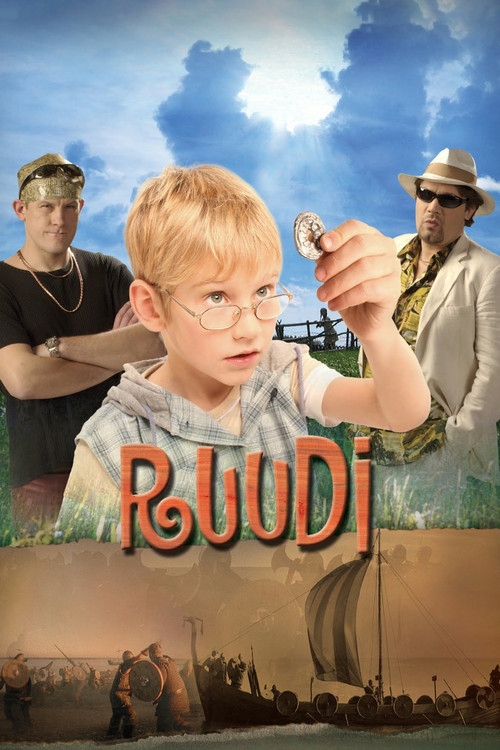
Ruudi
2006
No user ratings available yet
Representation score: 1.8 out of 10

Representation Score
Minimal
1989
Director
Ivan Vasilev
Runtime
70 minutes
Average Rating
No ratings yetNew Showbiz Analysis
Help Me, Bros! is a conventional folk-fantasy that adheres closely to the social hierarchies of its era. The narrative is driven by male-dominated political maneuvering, where marriage serves as a tool for statecraft rather than a means for personal ability to act. While the cast offers some ethnic diversity, the world-building remains tied to traditional Slavic clichés. The film lacks depth in representing multiple aspects of identity, focusing instead on established power structures and historical archetypes. Ultimately, the film reinforces conventional social roles and the importance of lineage, offering little in the way of progressive representation.
Category Breakdown
The film does not depict any non-binary or LGBTQ+ identities or intimate relationships between people of the same gender. The story revolves around traditional family succession and heterosexual marriage alliances.
Women in the film seem to play roles defined by political negotiations rather than having independent ability to act. The narrative focuses on male figures, particularly boyars and the tsar, who manage state affairs through marriages.
The cast includes diverse ethnicities, such as actors like Bolot Beyshenaliev. However, the setting remains rooted in a traditional Slavic or Eurocentric folklore framework.
The story emphasizes traditional social orders and historical hierarchies. It centers on the preservation of monarchy and the influence of the landed nobility within a fantasy setting.
There is no evidence of the portrayal of physical or neurodivergent disabilities in the film.
Present on Screen
Limited or Absent
Official Synopsis
Boyars are trying to marry their tsar in a country of far far away.
2006
1965

1970

1987

2014
1975
1986
1998
No reviews yet. Be the first to share your thoughts on this movie!
Use the rating form above to leave a star rating and optional review.