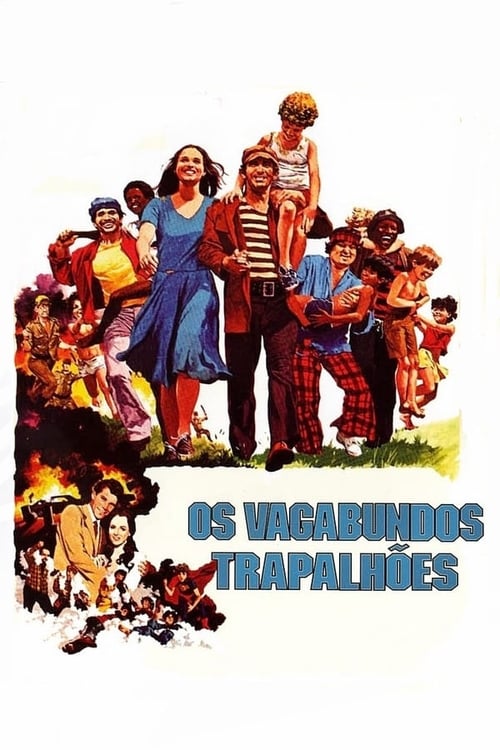
Os Vagabundos Trapalhões
1982
No user ratings available yet
Representation score: 2.5 out of 10
Representation Score
Limited
1982
Director
Gilberto Martínez Solares
Runtime
92 minutes
Average Rating
No ratings yetNew Showbiz Analysis
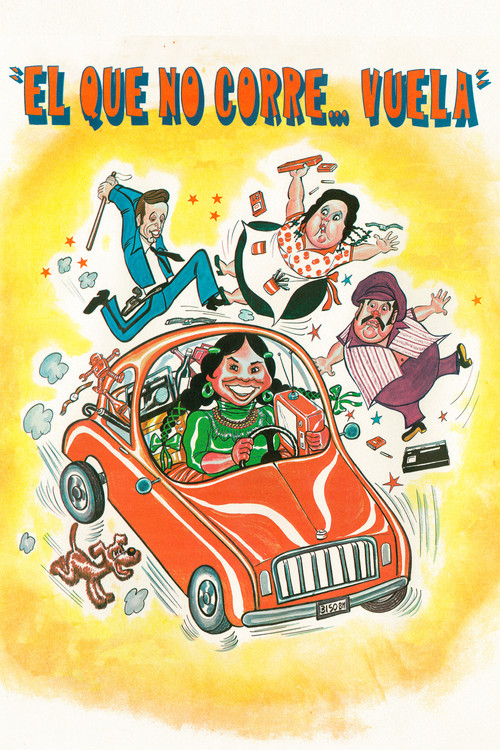
¡El que no corre... vuela! is a traditional social comedy that tackles socioeconomic issues. The plot follows Maria as she deals with wrongful imprisonment and helps street children. While the film addresses themes of institutional error and class disparity, it operates within the conventional comedic frameworks of the early 1980s. It lacks the complexity needed for a more progressive social critique. The narrative relies on broad comedic archetypes rather than a systematic examination of social hierarchies, focusing instead on individual advocacy.
Category Breakdown
The film does not include any characters with non-straight relationships or identities. It also does not question the assumption that everyone is straight or cisgender.
The story focuses on a female character named Maria and her interactions with other women. However, it is unclear whether the film challenges or reinforces traditional gender roles.
As a Mexican production, the film features a predominantly non-Anglo-Saxon cast. The storyline involving street children highlights issues of class and social status.
The narrative touches on social inequalities and the struggles of street children. It may critique institutions through a moral or social lens.
There is no specific information about the portrayal of physical or neurodivergent disabilities in this film.
Present on Screen
Limited or Absent
Official Synopsis
After mistakenly going to jail, Maria makes friends with a woman whose kids live in the streets and Maria gets the idea to help them.
1982

1984
1990
1980
1972
1983
1976
1984
No reviews yet. Be the first to share your thoughts on this movie!
Use the rating form above to leave a star rating and optional review.