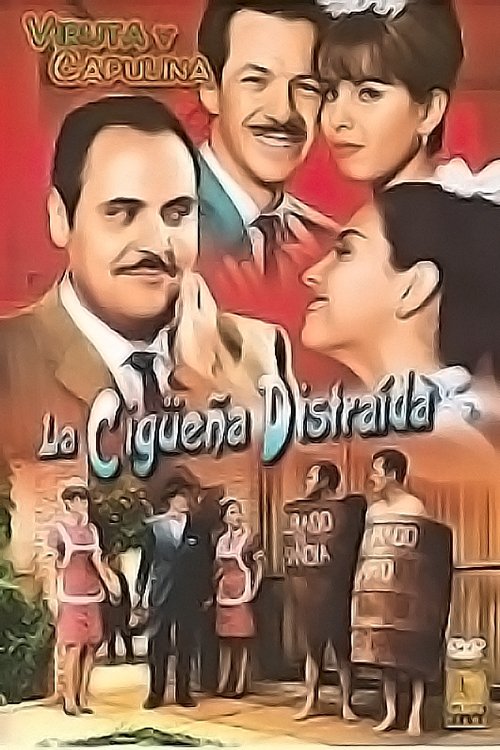
La cigüeña distraída
1966
No user ratings available yet
Representation score: 1.4 out of 10
Representation Score
Limited
1963
Not RatedDirector
Federico Curiel
Runtime
0 minutes
Average Rating
No ratings yetNew Showbiz Analysis
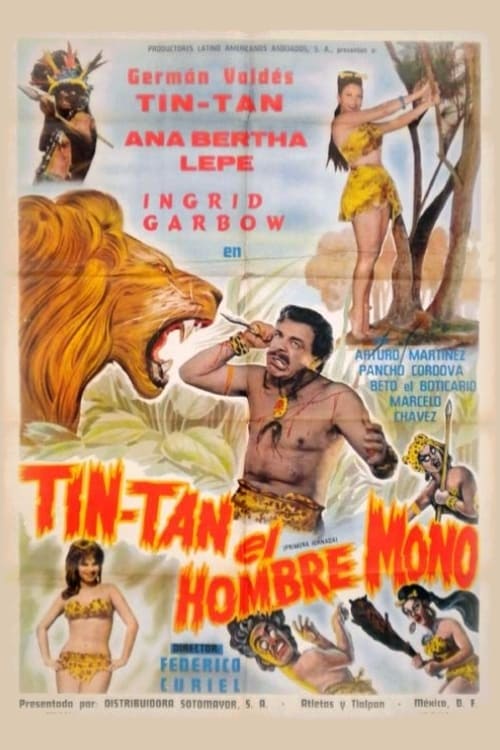
Tin-Tán El Hombre Mono is a product of mid-20th century Mexican cinema. It serves primarily as culturally specific entertainment rather than a tool for social change. While it offers a non-Western perspective, it remains anchored in the conventions of its time. The film’s representation is shaped by the comedic traditions of the 1960s. It centers on established social norms and traditional archetypes, showing little evidence of challenging systemic hierarchies or multi-layered identity politics.
Category Breakdown
The film does not explicitly include characters with non-traditional gender identities. Traditional comedic styles of the time often focused on heterosexual relationships rather than LGBTQ+ themes.
Female characters such as Ana Bertha Lepe and Ingrid Garbo are featured. However, their roles may follow traditional gender stereotypes rather than challenging gender hierarchies.
As a Mexican production, the film highlights a non-European perspective. It emphasizes Latin American heritage through the presence of Germán Valdés.
Family comedies often emphasize traditional social norms and conventional morality. There is no indication that the film critiques established social norms.
There is no information available about the portrayal of characters with physical or cognitive differences in this film.
Present on Screen
Limited or Absent
1966

1994
1974
1972
1970
2005
1963
1992
No reviews yet. Be the first to share your thoughts on this movie!
Use the rating form above to leave a star rating and optional review.