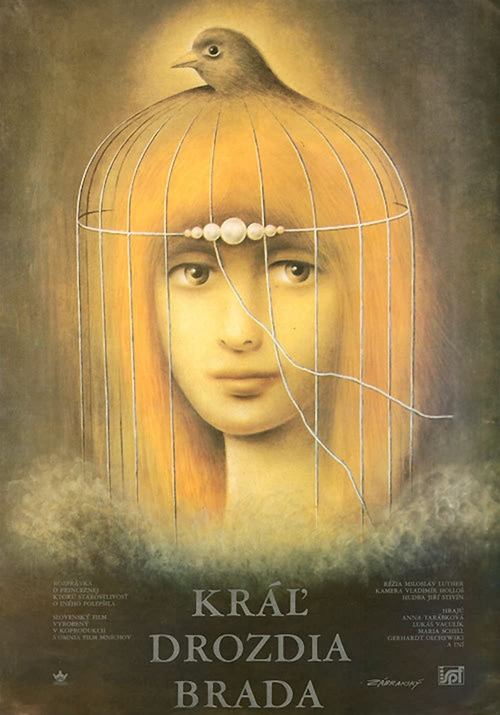
King Thrushbeard
1984
No user ratings available yet
Representation score: 1.4 out of 10

Representation Score
Limited
1955
Director
Bořivoj Zeman
Runtime
107 minutes
Average Rating
No ratings yetNew Showbiz Analysis
This mid-century Czech animation serves primarily as a satirical fairy tale. Though it lacks demographic diversity, it offers a progressive narrative that questions autocratic leadership. The film's strength lies in its subversion of gender hierarchies. By portraying the King as emotionally limited and the women as the true holders of wisdom, it challenges the notion of the infallible patriarch. However, the work is constrained by its historical context. The setting is ethnically uniform and lacks representation for LGBTQ+ identities or characters with disabilities.
Category Breakdown
The film follows a traditional mid-century folk tale structure focusing on a family unit where everyone is assumed to be straight and cisgender. There are no non-conforming gender identities represented.
The story challenges the idea of male dominance by highlighting the intellectual and emotional superiority of women. Although the King holds formal power, the narrative emphasizes the true wisdom held by his daughters and the magical herb woman.
Set in a localized European folkloric kingdom, the cast and setting are ethnically uniform. The film does not include diverse racial or ethnic identities, reflecting its historical and regional context.
The film critiques absolute monarchy through satire. It highlights the importance of communal needs and spiritual wisdom over material wealth, using the herb woman to challenge centralized, ego-driven authority.
There are no visible or invisible disabilities portrayed as central to the character arcs or narrative ability to act within this story.
Present on Screen
Limited or Absent
Official Synopsis
A selfish self-centered widowed ruler, barely tolerated by his subjects and called appropriately enough, 'King Myself, First' asks his three daughters to name the measure of their love for him. When one of them says, "more than salt", he banishes her from the kingdom. Not understanding what she meant the King assumes love can only be measured by precious metals or one's own talent, the 'correct' answers from his other two daughters. The arrogance of the King leads him to gather all the salt in the kingdom and destroy it. Of course, this backfires as he slowly learns the universal value of the substance, and of course, the essence of his daughter's reply. With the help of the wise and magical old 'herb woman', the King also learns what it means to be a true and wise ruler.
1984
1980

1952
1965
2005

1970
1983
1971
No reviews yet. Be the first to share your thoughts on this movie!
Use the rating form above to leave a star rating and optional review.