
Help Me, Bros!
1989
No user ratings available yet
Representation score: 1.0 out of 10

Representation Score
Fair
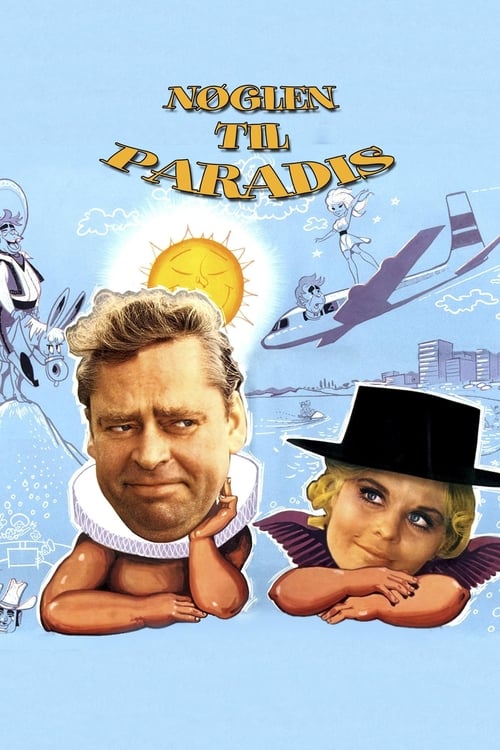
1970
Director
Ilya Frez
Runtime
79 minutes
Average Rating
No ratings yetNew Showbiz Analysis
The film operates within the demographic constraints of its era, offering limited diversity. It lacks representation for LGBTQ+ identities and ethnic diversity, remaining largely homogeneous. However, the film provides progressive value by challenging traditional gendered expectations. By centering female-driven action and giving children ability to act, it challenges traditional social hierarchies. Ultimately, the narrative suggests that identity and temperament are fluid. It moves away from fixed morality by framing personality traits as something that can be transformed through a magical quest.
Category Breakdown
The film focuses on traditional family structures including parents and grandparents. There is no evidence of non-straight or non-cisgender identities or same-sex relationships within the narrative.
The film challenges traditional female stereotypes by depicting Toma as an 'ice queen' rather than a submissive character. Female characters like Toma and her grandmother take the lead in the central quest.
The setting reflects a largely homogeneous society typical of 1970s Soviet cinema. The story focuses on universal character traits rather than ethnic diversity.
The film treats human flaws as treatable conditions through a whimsical, non-traditional lens. It prioritizes individual emotional growth over strict adherence to religious or social rules.
Psychological states like cowardice and sadness drive the plot. While characters show ability to act in seeking cures, these temperaments are sometimes treated as medicalized plot devices for the fantasy elements.
Present on Screen
Limited or Absent
Official Synopsis
Do you know that there are doctors who can prescribe you the medicine to be brave?..
1989
1970
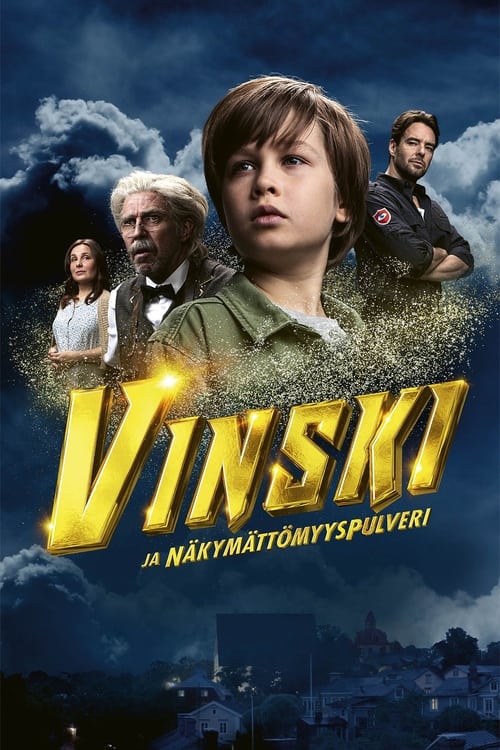
2021
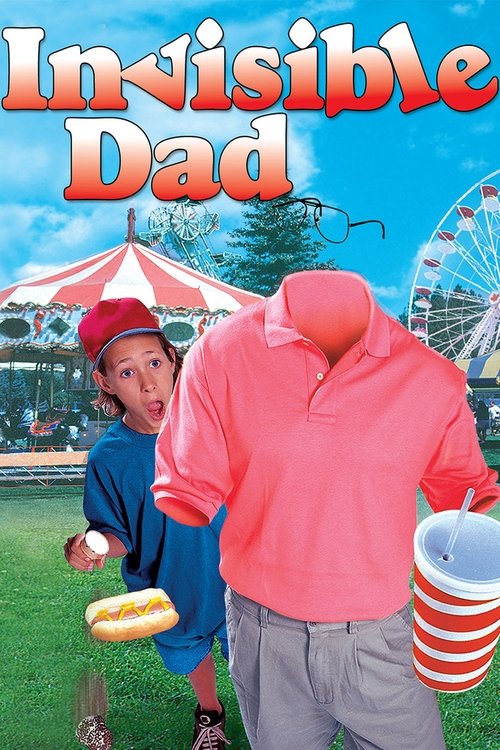
1998
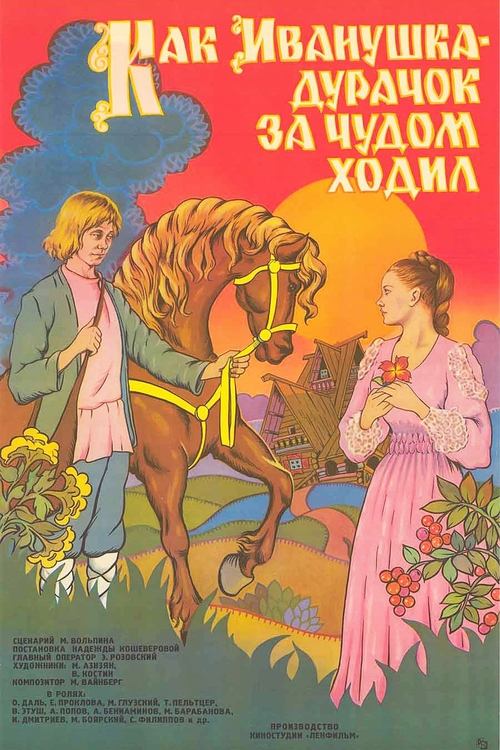
1977
1956
1975
1983
No reviews yet. Be the first to share your thoughts on this movie!
Use the rating form above to leave a star rating and optional review.