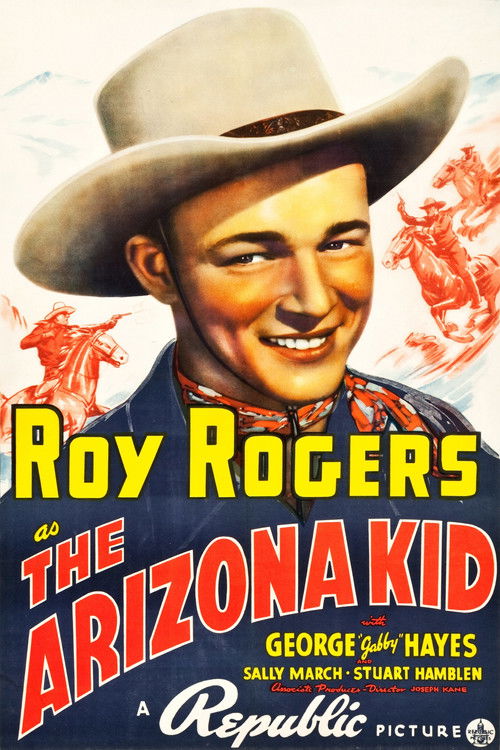
The Arizona Kid
1939
No user ratings available yet
Diversity score: 1.6 out of 10
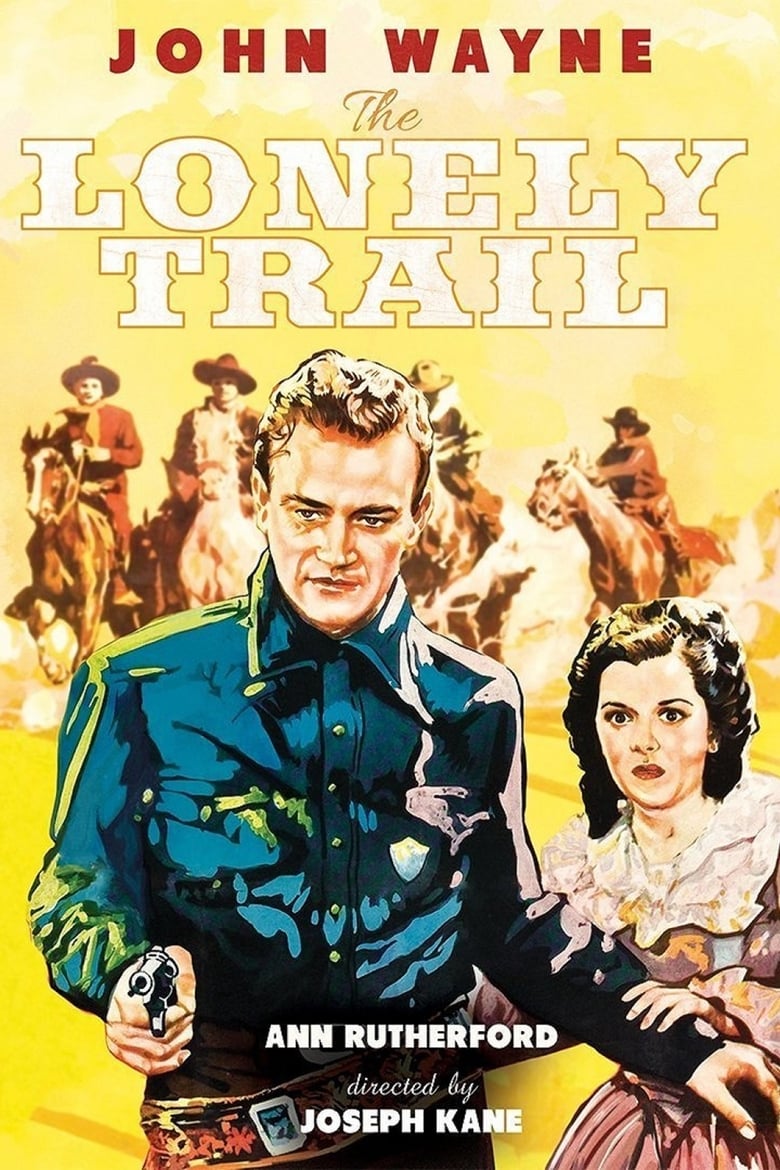
1936
ApprovedDirector
Joseph Kane
Runtime
56 minutes
Average Rating
No ratings yetSynopsis
Though he fought for the North in the Civil War, John is asked by the Governor of Texas to get rid of some troublesome carpetbaggers. He enlists the help of Holden before learning that Holden too is plundering the local folk.
Overall Score
Minimal
Category Breakdown
LGBTQ+ Representation
The film contains no discernible presence of queer subtext or non-heteronormative identities. Character dynamics remain strictly within traditional romantic or platonic archetypes.
Gender Representation
Masculinity drives the narrative agency, centered on a decisive male protagonist. Female characters occupy peripheral roles, serving primarily as secondary motivators or figures needing protection.
Racial & Ethnic Diversity
The cast is overwhelmingly homogeneous, focusing on a white protagonist and white antagonists. The film lacks diverse ethnic perspectives or meaningful intersectional depth.
Religious & Cultural Diversity
The story upholds traditional Western institutional values and a singular moral code. It validates frontier governance and the virtue of physical law enforcement.
Disability Representation
There are no prominent depictions of physical or neurodivergent disabilities. Characters are defined solely by the physical capabilities required by the Western genre.
Strengths
Areas for Improvement
AI Analysis
The Lonely Trail is a quintessential 1930s B-Western that functions as a traditional morality play. It prioritizes frontier justice and the preservation of established social orders through a very narrow lens. The film reinforces the conservative social frameworks of its era by centering Anglo-Saxon narratives and patriarchal hierarchies. It lacks the structural complexity to challenge systemic norms or offer diverse perspectives. Ultimately, the work serves to validate the status quo, utilizing a storytelling model that emphasizes clear-cut heroism and the maintenance of traditional institutional authority.
1939
1939
1948
1941
1940
1930
1929
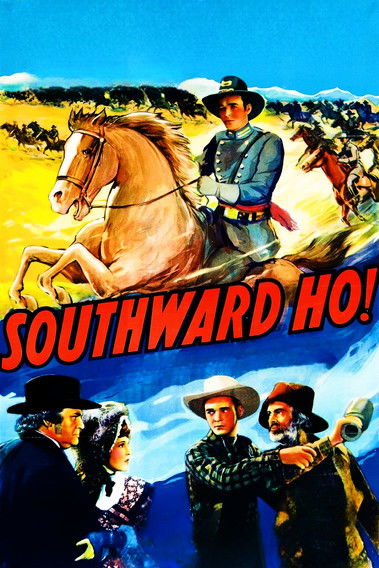
1939
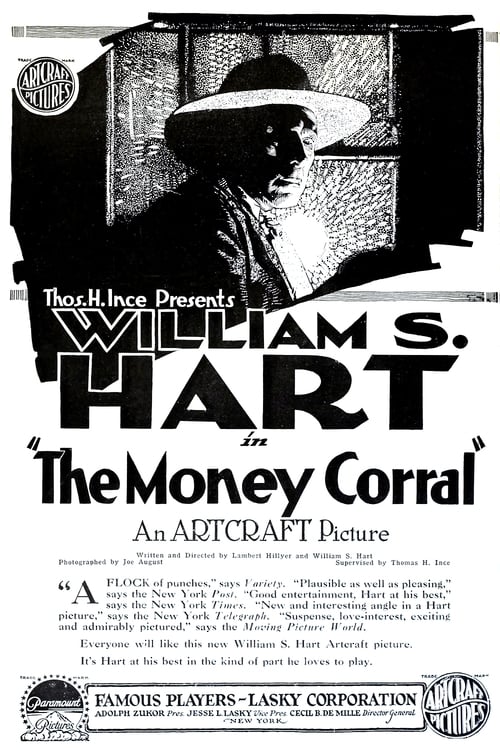
1919
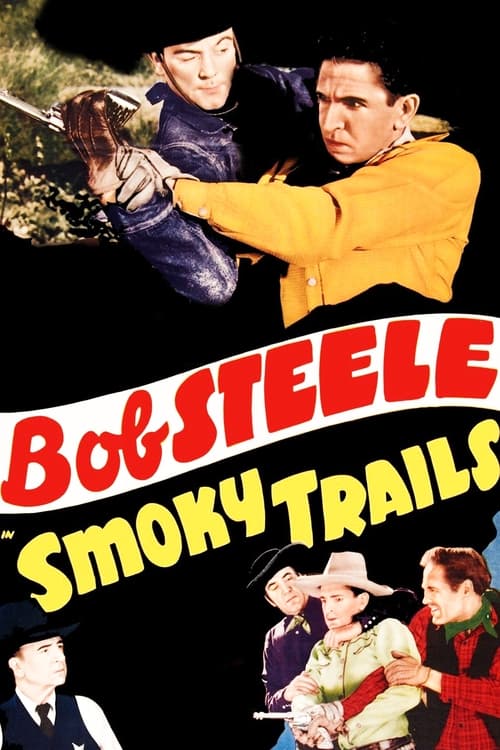
1939
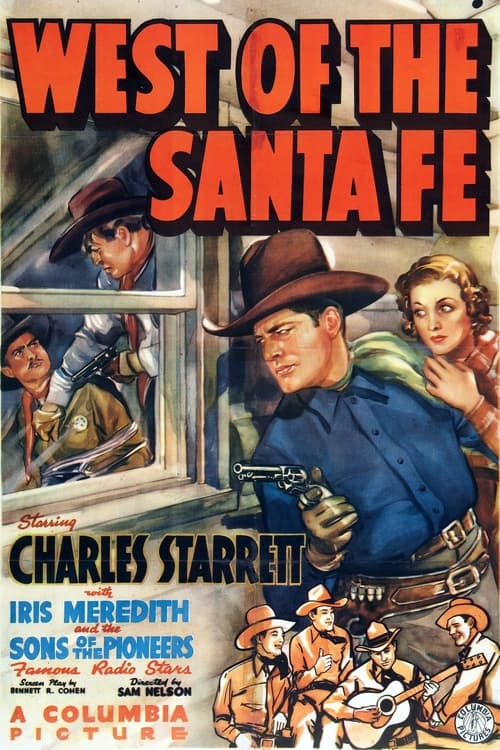
1938
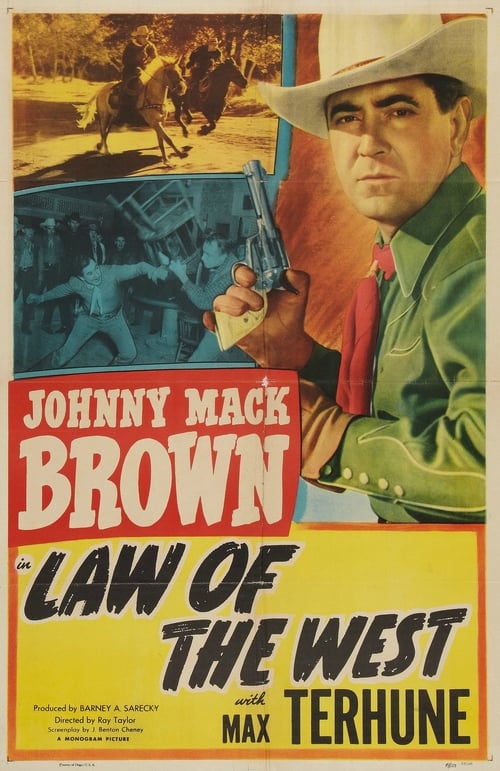
1949
No reviews yet. Be the first to share your thoughts on this movie!
Use the rating form above to leave a star rating and optional review.