The Boys
1962
No user ratings available yet
Representation score: 5.3 out of 10
Representation Score
Fair
2005
Not RatedDirector
Klaus Härö
Runtime
111 minutes
Average Rating
No ratings yetNew Showbiz Analysis
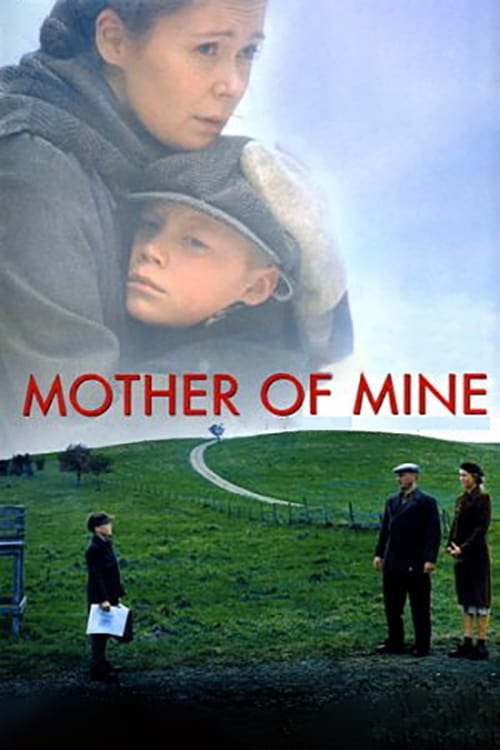
Mother of Mine is a nuanced psychological drama that deconstructs the 'safe haven' narrative of wartime displacement. Instead of focusing on heroic war clichés, it centers on the emotional dissonance between a displaced child and a grieving foster parent. The film successfully complicates traditional gender roles and maternal archetypes. By presenting Signe as a woman defined by loss rather than nurturing, the story avoids sentimentality and explores the systemic failures of social structures. However, the film's scope is limited by its specific historical and regional context. The focus on Nordic demographics and the lack of explicit representation for queer identities or disabilities result in a moderate overall diversity score.
Category Breakdown
The film explores the tension between traditional family expectations and grief, but does not explicitly include non-cisgender identities.
Signe challenges traditional maternal roles by presenting a fractured, emotionally unstable identity. The film avoids the 'perfect mother' cliché, focusing instead on her mourning and resentment.
Set in the 1940s Nordic region, the story focuses on the protagonist's outsider status to explore displacement and national identity. It lacks racial blending.
The narrative emphasizes individual emotional truth over institutional stability. It portrays the family unit and foster care as potential sources of trauma rather than comfort.
There is no specific evidence regarding the portrayal of physical or neurodivergent disabilities in this work.
Present on Screen
Limited or Absent
Official Synopsis
1943: Nine-year-old Eero whose father is killed during the war is brought to Sweden to foster parents to his protection like thousands of other Finnish children. Eero feels lost, particularly as his foster mother Signe behaves very unfriendly. She was expecting a little girl and still mourns for her daughter who drowned in the sea.
1962
1952
2011
1962

2019
1969

1948

1946
No reviews yet. Be the first to share your thoughts on this movie!
Use the rating form above to leave a star rating and optional review.