
Vietnam
1987
No user ratings available yet
Representation score: 7.3 out of 10
Representation Score
Limited
1998
Director
Giles Foster
Runtime
199 minutes
Average Rating
No ratings yetNew Showbiz Analysis
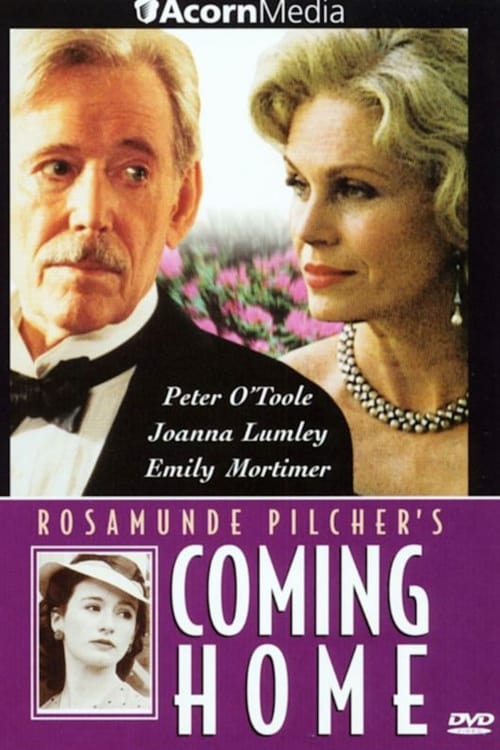
Coming Home operates as a traditional period drama that prioritizes historical realism and familial continuity over social disruption. The narrative structure focuses on the long-term study of the Dunar and Carey-Lewis families through the lens of World War II. The film adheres to established war genre clichés, emphasizing national duty and the preservation of social order. This focus results in a narrative centered on Anglo-centric structures rather than diverse identities. While the wartime setting provides a framework to explore shifting gender roles, the work lacks significant representation of racial, ethnic, or LGBTQ+ diversity, reflecting the conventional social hierarchies of its time.
Category Breakdown
The film does not include any explicit references to LGBTQ+ identities. It follows a traditional storyline typical of late-90s period dramas, where such themes are often absent.
The movie explores gender roles through the lens of wartime necessity. The post-war setting offers opportunities to examine how women navigate changing societal structures and take control of their lives.
The story focuses on two specific family lineages, suggesting a homogeneous Western perspective. It does not mention a multi-ethnic cast or colonial subjects.
The film is grounded in traditional Western institutions like the nuclear family and national duty. It emphasizes themes of patriotism and social order over secularist or anti-capitalist perspectives.
There is no information about characters with physical, sensory, or neurodivergent disabilities within the narrative context.
Present on Screen
Limited or Absent
Official Synopsis
Drama about the Dunar and Carey-Lewis families, before during and after WW2.
1987

2017

1978

1987

1983
1958

1998

1960
No reviews yet. Be the first to share your thoughts on this movie!
Use the rating form above to leave a star rating and optional review.