The Island on Bird Street
1997
No user ratings available yet
Representation score: 2.4 out of 10
Representation Score
Fair
2007
TV-PGDirector
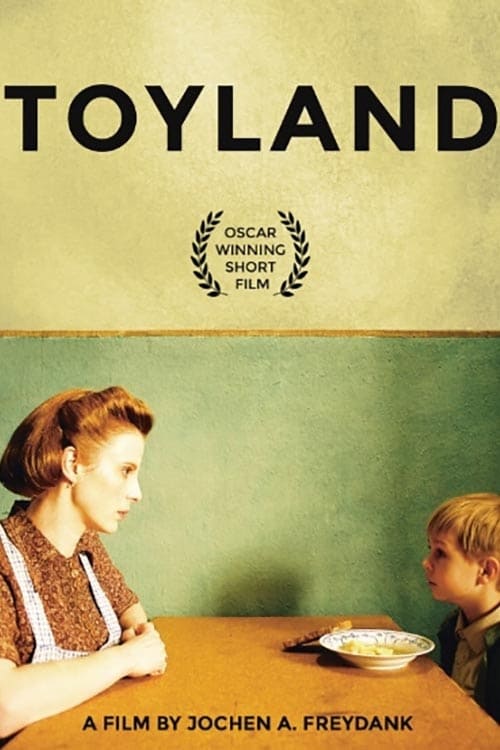
Jochen Alexander Freydank
Runtime
13 minutes
Average Rating
No ratings yetNew Showbiz Analysis
Toyland is a poignant historical drama that finds its strength in depicting systemic ethnic persecution. By focusing on the sudden disappearance of a Jewish family, the film confronts the realities of the Holocaust through the eyes of a child. The narrative succeeds by centering maternal ability to act and the moral failures of state institutions. It avoids traditional wartime clichés by prioritizing the domestic struggle for survival over combat. However, the film lacks representation for LGBTQ+ identities and does not feature characters with disabilities. Its focus remains strictly on the historical and familial dynamics of the era.
Category Breakdown
The film does not depict any LGBTQ+ identities or non-straight relationships. The story emphasizes maternal bonds and childhood friendships.
The narrative is driven by maternal ability to act, where a mother fights to protect her son. The film shifts focus from masculine combat to female-led domestic survival.
The story centers on the systemic persecution of a Jewish family. It highlights the mechanics of ethnic cleansing through the disappearance of neighbors.
The film critiques state institutions through the lens of historical injustice. It uses 'Toyland' as a deceptive term for the cruelty of deportation.
There are no visible or invisible disabilities depicted as central to the character arcs in this story.
Present on Screen
Limited or Absent
Official Synopsis
On a winter morning, a mother goes to waken her son Heinrich; his bed is empty. She leaves her flat to find him. The neighbors' door, with a Star of David painted on it, is ajar, the furnishings in disarray, the family gone. She asks passersby, runs to the police then on to the rail yard. Flashbacks show that Heinrich and the neighbors' son Paul are six years old and best friends. Paul's family's deportation is expected soon; Heinrich's mother tells her son that they're going to Toyland. Heinrich wants to go with them, has a bag packed, and listens for their departure. His mother realizes he's joined them, and her resolve becomes more urgent. Will she arrive in time to save Heinrich?
1997

1952

2020

2014
1986

2005

1946

2003
No reviews yet. Be the first to share your thoughts on this movie!
Use the rating form above to leave a star rating and optional review.