
Plagio
1969
No user ratings available yet
Representation score: 4.3 out of 10
Representation Score
Good
1964
Director
Bernardo Bertolucci
Runtime
111 minutes
Average Rating
No ratings yetNew Showbiz Analysis
Bernardo Bertolucci’s work focuses on ideological critique rather than broad demographic representation. The film is a sophisticated political commentary, emphasizing the tension between radicalized youth and established social structures. While the narrative offers a strong critique of capitalism and bourgeois stability, it remains limited in terms of racial and LGBTQ+ representation. The focus is on mid-century Italian student movements. The film's strength lies in its intellectual structure, using personal tensions to highlight larger societal changes, despite the lack of diverse representation in other identity categories.
Category Breakdown
The film doesn't center on LGBTQ+ identities or same-sex relationships. It explores the complexity of desire but doesn't delve deeply into non-traditional gender identities.
Female characters are shown with psychological depth rather than being confined to traditional roles. Male characters are depicted as emotionally unstable and ideologically conflicted.
The cast and setting are primarily homogeneous, focusing on Italian intellectual and student life. There is no indication of diverse ethnic backgrounds within this historical context.
The film effectively critiques Western institutions and bourgeois morality. It uses Marxist ideas to challenge the status quo and promote anti-capitalist sentiments.
Gina's unpredictable behavior serves as a metaphor for societal issues. However, the film lacks detailed portrayals of neurodivergence or chronic illness.
Present on Screen
Limited or Absent
Official Synopsis
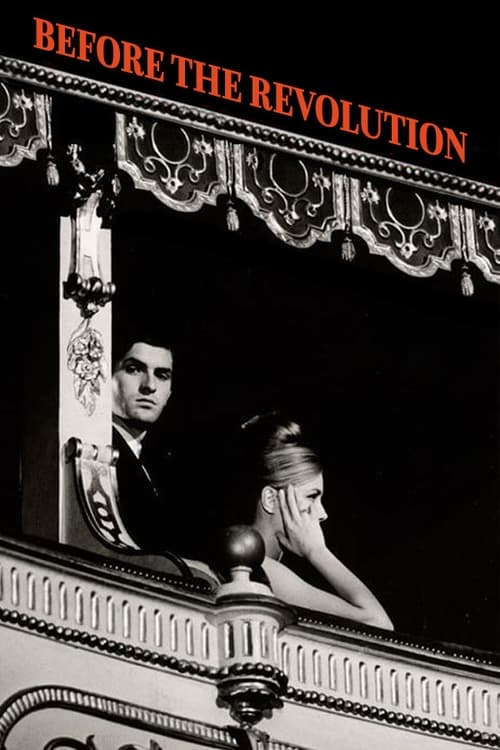
As Fabrizio contemplates joining the Communist Party, he breaks off his planned marriage to a bourgeois woman and becomes incestuously involved with his alluring aunt.
1969
1973
1977

2012

2019

1964
1969

1969
No reviews yet. Be the first to share your thoughts on this movie!
Use the rating form above to leave a star rating and optional review.