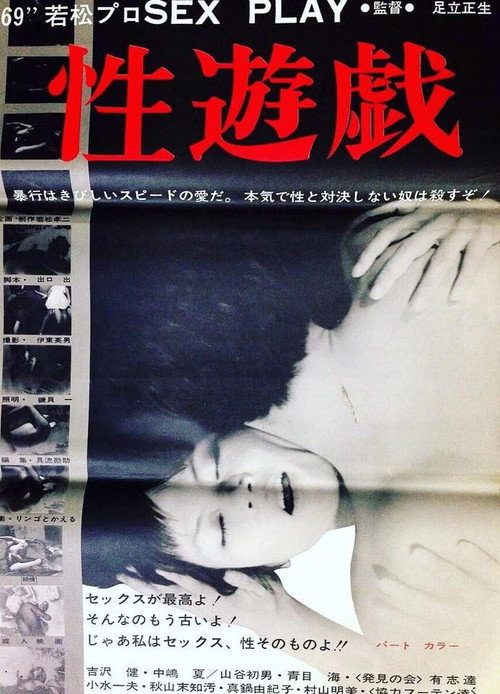
Sexual Play
1969
No user ratings available yet
Representation score: 6.2 out of 10
Representation Score
Good
1969
Director
Jean-Luc Godard
Runtime
95 minutes
Average Rating
No ratings yetNew Showbiz Analysis
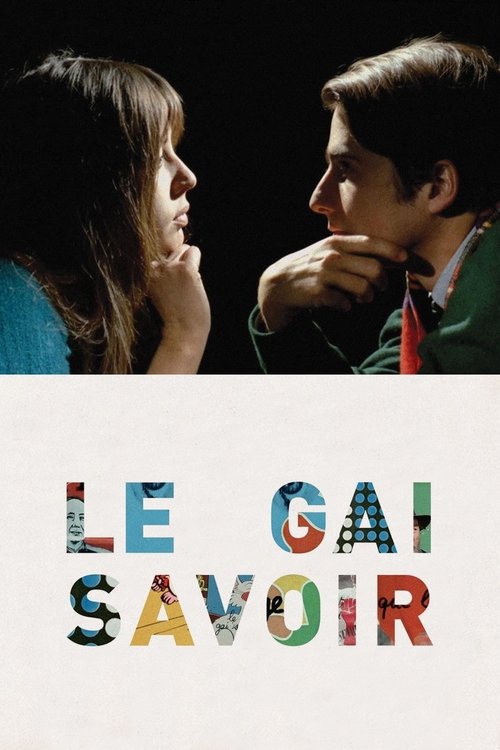
Jean-Luc Godard’s film is a radical exploration of language and imagery that challenges Western thought structures. Instead of following a conventional plot, it uses a dialectical approach to question language and images to dismantle systemic power. The film stands out by placing underrepresented voices at the forefront of intellectual critique. By making characters like Patricia Lumumba central figures in the critique, it goes beyond simple inclusion to actively challenge colonial tools of language and media. While the film is highly progressive in its approach to subverting power structures, it lacks explicit representation in certain identity categories. Its main focus is on deconstructing communication methods rather than personal or specific identity narratives.
Category Breakdown
The film focuses on challenging traditional gender and sexual norms without featuring specific LGBTQ+ character stories. It rejects conventional assumptions about sexuality and gender, aligning with theories that disrupt established binaries.
Patricia Lumumba is given equal intellectual standing and a significant role alongside Emile Rousseau. The film avoids traditional gender power dynamics by focusing on revolutionary ideas rather than typical domestic roles.
The inclusion of Patricia Lumumba highlights post-colonial identity. Characters of color play key roles in critiquing Western dominance and systemic oppression.
The film critiques Western institutions and media by promoting a non-specific spiritual focus on dismantling established knowledge systems and historical dominance.
There is no significant evidence regarding the portrayal of physical or neurodivergent disabilities within this work.
Present on Screen
Limited or Absent
Official Synopsis
While alone in an abandoned television studio, two militants, Emile Rousseau and Patricia Lumumba, have a discourse on language. Referring to spoken word as "the enemy"--the weapon used by the establishment to confuse liberation movements--the two deconstruct the meanings of sounds and images in an attempt to "return to zero" and truly experience the joy of learning.
1969
1967

1980
1977
1971
1970

1978
1969
No reviews yet. Be the first to share your thoughts on this movie!
Use the rating form above to leave a star rating and optional review.