
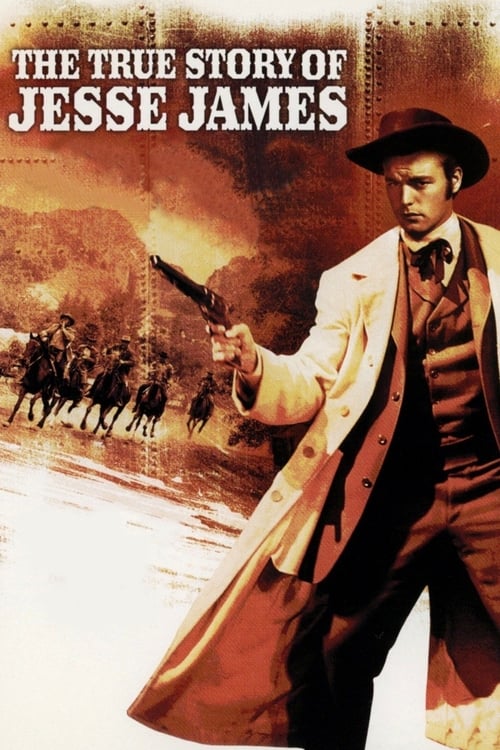
Jesse James
1939
No user ratings available yet
Representation score: 1.2 out of 10
Representation Score
Minimal
1957
NRDirector
Nicholas Ray
Runtime
92 minutes
Average Rating
No ratings yetNew Showbiz Analysis
Nicholas Ray directs the film from an outsider's viewpoint, depicting Jesse James as a man fighting against societal institutions. Despite a lack of diverse representation in terms of race, gender, and LGBTQ+ identities, the film avoids simplistic good-versus-evil narratives. The film’s strength lies in its moral complexity. By pitting the protagonist against corrupt corporate and governmental powers, the narrative questions the traditional moral certainties found in Westerns. However, the film remains a product of its era, adhering to the demographic norms of the 1950s. It does not offer substantial representation for underrepresented groups, focusing instead on the specific political dynamics of the post-Civil War American West.
Category Breakdown
The film does not include any LGBTQ+ characters or explore non-straight relationships. It sticks closely to the traditional heterosexual romances typical of mid-century cinema.
The story emphasizes traditional gender roles. Male characters like Jesse James embody leadership qualities, while female characters such as Zee James are confined to domestic duties and emotional support roles.
The cast is primarily composed of white, Anglo-Saxon actors, reflecting the historical context and production period. The film centers on the political divisions of the South without broadening its scope to include diverse racial or ethnic representation.
The film critiques institutional power structures. It portrays railroad monopolies and government authority as corrupt, presenting the protagonist as a social bandit responding to capitalist oppression.
There is no depiction of characters with disabilities or neurodivergence within the main storyline. No characters are shown with physical or mental disabilities.
Present on Screen
Limited or Absent
Official Synopsis
Having fought with the Confederacy during the Civil War, Jesse James and his brother Frank dream of a farm life in Missouri. Harassed by Union sympathizers, they assemble a gang of outlaws, robbing trains and becoming folk heroes in the process. Jesse marries his sweetheart, Zee, and maintains an aura of domesticity, but after a group of lawmen launch an attack on his mother's house, Jesse plans one more great raid -- on a Minnesota bank.
1939
1969
1941
1980
1953

1976
1972
1973
No reviews yet. Be the first to share your thoughts on this movie!
Use the rating form above to leave a star rating and optional review.