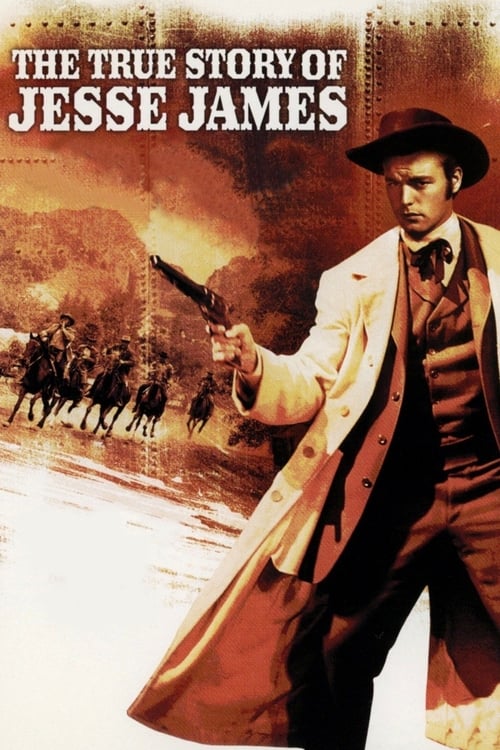
The True Story of Jesse James
1957
No user ratings available yet
Representation score: 1.6 out of 10

Representation Score
Minimal
1939
ApprovedDirector
Henry King
Runtime
106 minutes
Average Rating
No ratings yetNew Showbiz Analysis
Jesse James is a classic Western film that adheres to the demographic norms of its era. It focuses on traditional romantic relationships and a white-centric view of the American frontier, offering minimal demographic diversity. However, the film provides a sophisticated critique of corporate and governmental power. By portraying the protagonist's actions as a response to systemic corruption, the story introduces a layer of moral complexity often missing from the genre. Ultimately, the film highlights the tension between individual action and institutional growth. While it does not challenge racial or gender hierarchies, it successfully subverts the traditional 'law and order' narrative through its portrayal of systemic injustice.
Category Breakdown
The film does not depict any non-straight or non-cisgender identities. There are no representations of same-sex relationships or non-binary characters.
The film reinforces traditional gender roles. Female characters primarily serve as emotional support or romantic figures rather than as central plot drivers.
The cast is mostly made up of white actors, reflecting the historical context of 1939. There are no significant representations of non-white or non-Anglo-Saxon characters.
The film critiques institutions like railroad monopolies and government entities as oppressive forces. These portrayals offer a nuanced look at the power structures of the time.
There are no representations of physical, sensory, or neurodivergent disabilities among the characters.
Present on Screen
Limited or Absent
Official Synopsis
After railroad agents forcibly evict the James family from their family farm, Jesse and Frank turn to banditry for revenge.
1957
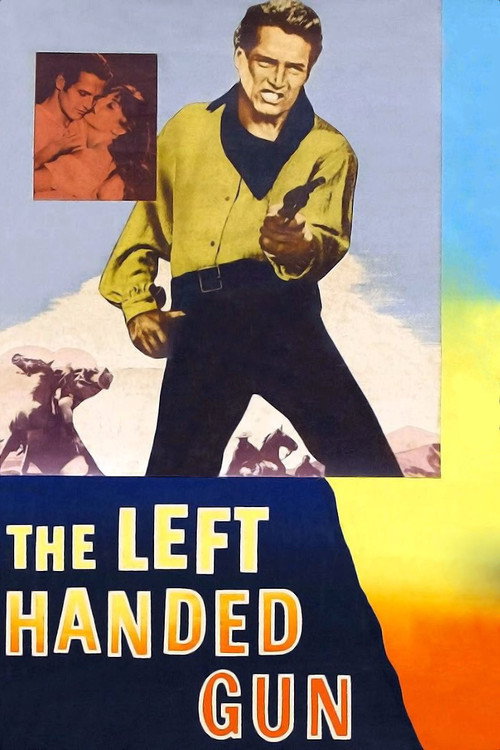
1958
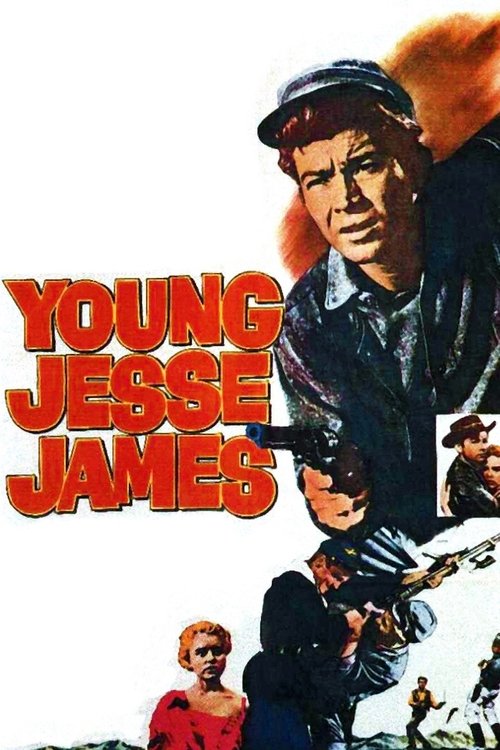
1960
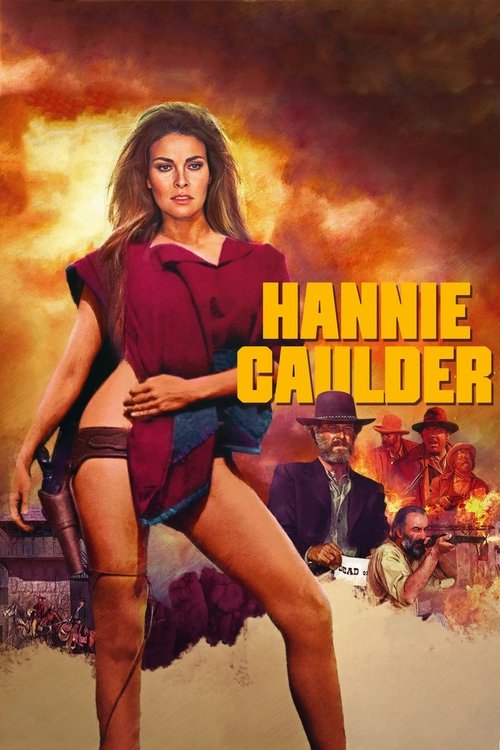
1971
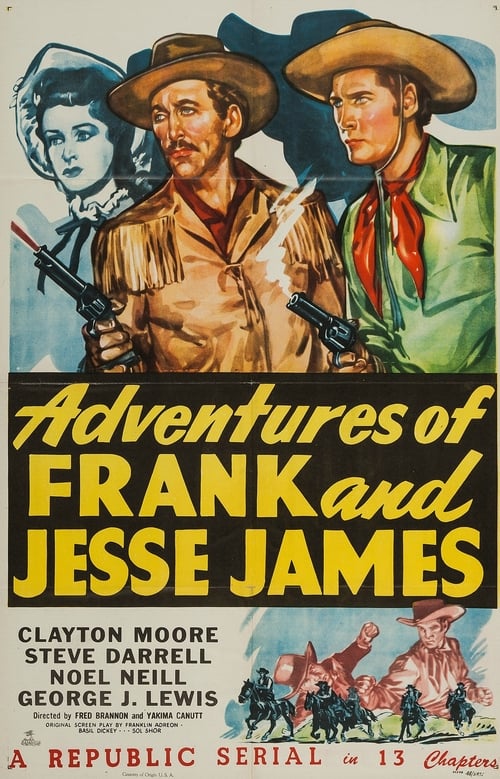
1948
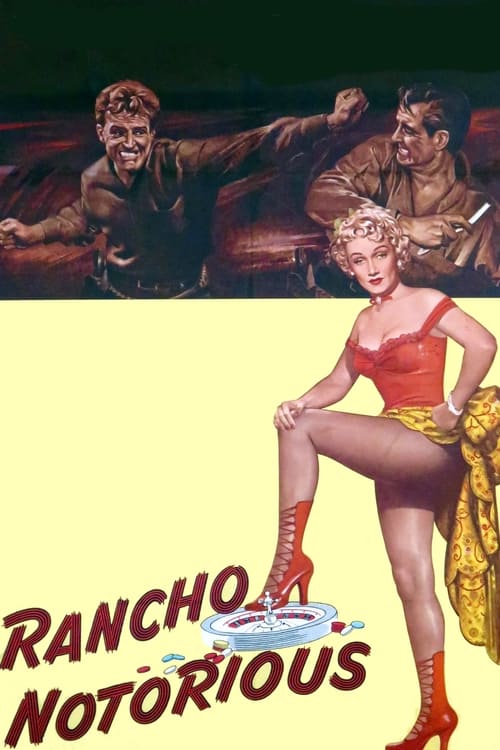
1952

1937
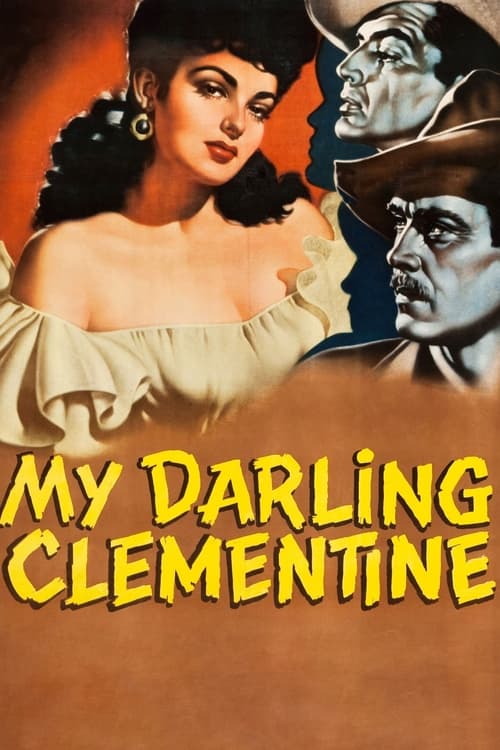
1946
No reviews yet. Be the first to share your thoughts on this movie!
Use the rating form above to leave a star rating and optional review.