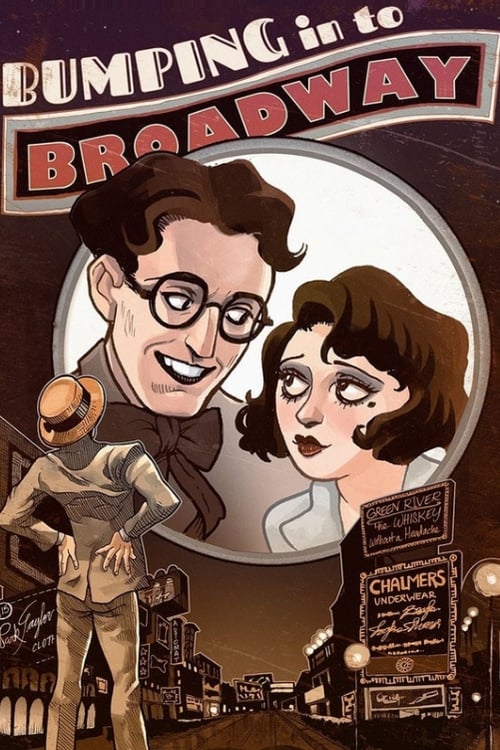
Bumping Into Broadway
1919
No user ratings available yet
Representation score: 1.7 out of 10
Representation Score
Minimal
1919
PassedDirector
Harry O. Hoyt
Runtime
50 minutes
Average Rating
No ratings yetNew Showbiz Analysis
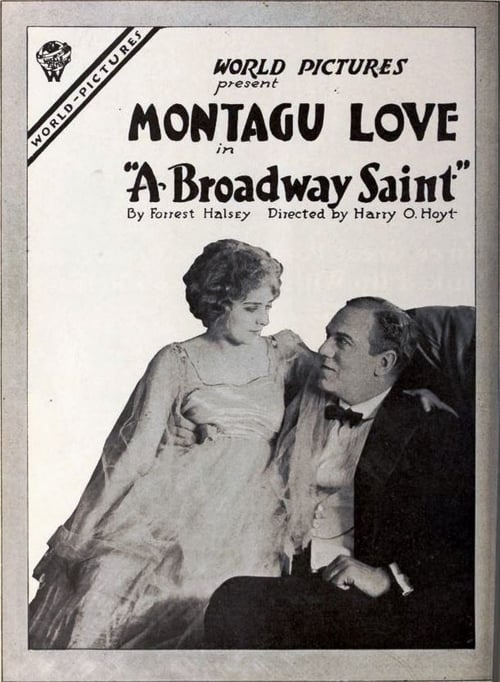
A Broadway Saint is a traditional early 20th-century comedy that reinforces established social norms. The narrative centers on conventional romantic pairings and the moral distinction between urban and rural life. The film lacks diversity in terms of race and sexual orientation, focusing on a homogeneous Anglo-Saxon social experience. Women appear in various roles but have limited influence beyond romantic roles. The story adheres to the social norms of the 1910s, presenting moralistic character arcs and situational comedy without challenging the status quo.
Category Breakdown
The film does not include any queer narratives or characters with non-straight identities. The main romance between Dick Vernon and Mazie Chateaux follows a traditional storyline.
Mazie Chateaux is the romantic lead, but the story is driven by the male protagonist and his uncle. Female characters play supporting roles without challenging patriarchal structures.
The story focuses on a white, middle-to-upper-class social circle in New York and Boonsburg. There is no indication of a multi-ethnic cast or characters of color.
The film contrasts urban and rural morality through traditional values. It emphasizes social stability without questioning Western institutions.
There is no information about the depiction of physical or neurodivergent disabilities in this film.
Present on Screen
Limited or Absent
Official Synopsis
Dick Vernon (Montagu Love) lives in New York but hasn't succumbed to the city's vices. When his vacation comes up, he goes to Boonsburg to visit his uncle (George Bunny) and aunts (Emily Fitzroy and Annie Laurie Spence). He finds small-town life far more wicked than living in the big city. A theatrical troupe comes to town, and Dick finds his match in chorus girl Mazie Chateaux (Helen Weir). Dick's uncle inherits a huge sum of money and insists that his nephew take him to New York and entertain him. Dick, knowing what his uncle expects, takes him through a number of wild adventures, but he is happy to put all that behind him and settle down with Mazie. (Janiss Garza)
1919
1934
1915
1936
1919
1936
1947
1929
No reviews yet. Be the first to share your thoughts on this movie!
Use the rating form above to leave a star rating and optional review.