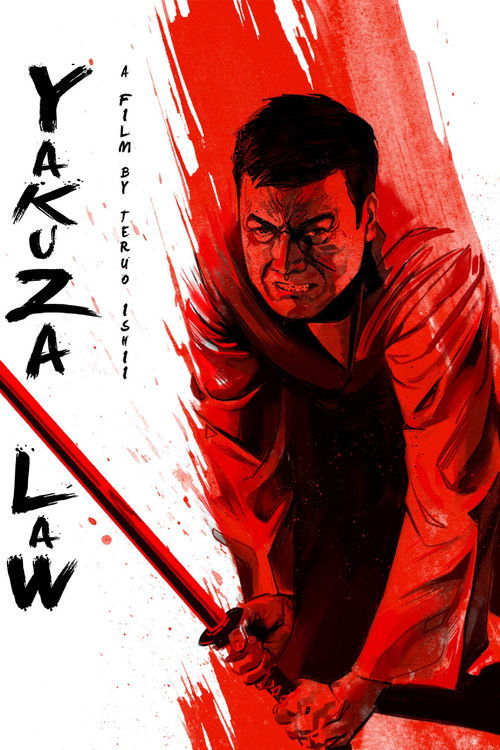
Yakuza Law
1969
No user ratings available yet
Representation score: 5.2 out of 10

Representation Score
Fair
1969
Not RatedDirector
Tai Katō
Runtime
98 minutes
Average Rating
No ratings yetNew Showbiz Analysis
Tai Katō’s film stands out for its portrayal of a strong female protagonist who challenges traditional gender roles. Oryu is not a passive figure; she is a wandering warrior striving to restore her family's honor. While the film showcases a powerful female lead, it remains confined by the historical context of its setting. The narrative lacks explicit LGBTQ+ representation and racial diversity, focusing instead on the internal dynamics of the Japanese underworld. Overall, the film offers a critical look at power structures through its depiction of the conflict between honorable traditions and systemic corruption.
Category Breakdown
The film does not include explicit LGBTQ+ identities or relationships outside of heterosexual ones. The story centers around the protagonist's life within the strict social norms of the Meiji era.
Oryu is a strong female protagonist who drives the plot through her own actions and decisions. She rejects traditional domestic roles to pursue martial training and independence.
Set in Meiji-era Nagoya, the film reflects the historical uniformity of Japan. The narrative emphasizes internal class and family conflicts rather than racial diversity.
The story delves into the complex moral code of the yakuza subculture. It highlights the tension between the honor of the underworld and the corrupt ambitions of rival families.
The film does not feature any characters with visible or invisible disabilities that play a central role in the story.
Present on Screen
Limited or Absent
Official Synopsis
The third chapter of the ‘Red Peony Gambler’ saga depicts the happiness and sadness of Red Peony Oryu’s life as she seals her femininity with a red peony tattoo and lives in world of chivalry and honor of the yakuza. This story takes place in the middle of the Meiji era in Nagoya. Oryu is wandering the country, training herself to reinstate her family name. With a written recommendation from Kumatora, she appears at the door of the Nishinomaru family. At the same time, the family is preparing for the gambling competition at the Netsuda Shrine Festival, which they have been hosting for generations. Meanwhile, the crooked Kinbara family is plotting to take over the competition. And now Oryu is forced to get involved in the struggle…
1969

1973

1970

1964
1976

1974
1970
1972
No reviews yet. Be the first to share your thoughts on this movie!
Use the rating form above to leave a star rating and optional review.