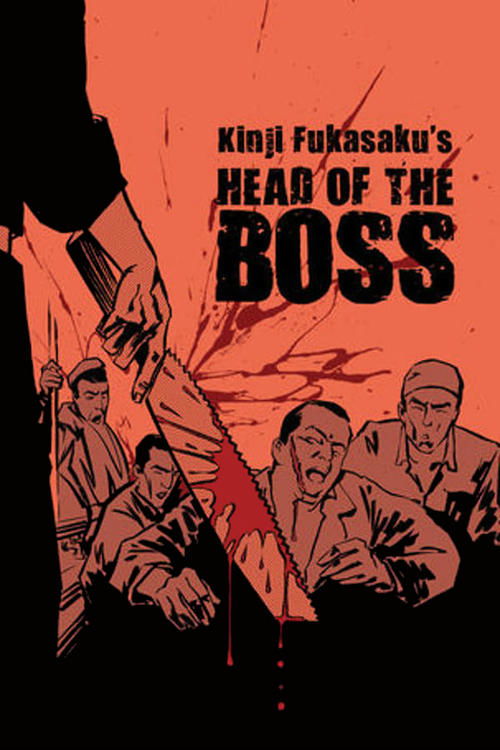
New Battles Without Honor and Humanity 2: Head of the Boss
1975
No user ratings available yet
Representation score: 1.4 out of 10
Representation Score
Minimal
1982
Director
Hideo Gosha
Runtime
146 minutes
Average Rating
No ratings yetNew Showbiz Analysis
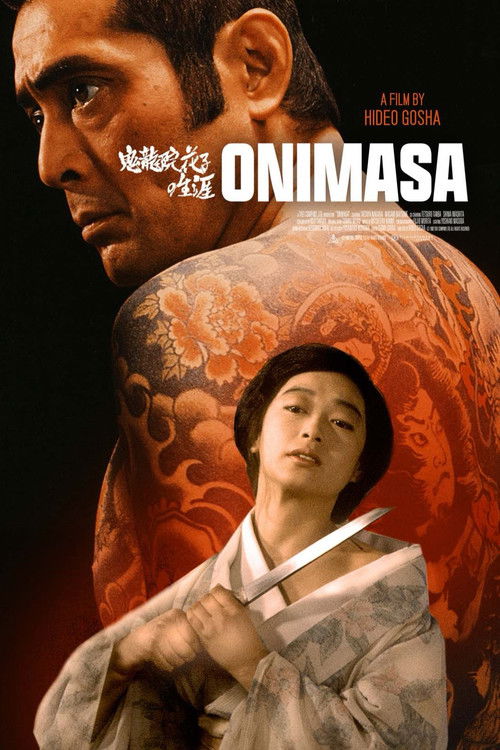
Onimasa is a traditionalist epic that emphasizes historical authenticity and masculine power dynamics over diverse representation. The narrative centers on the breakdown of a specific Japanese social order through the lens of the yakuza underworld. While it provides a nuanced critique of how modernization erodes traditional chivalry, it adheres to conventional hierarchies.
Category Breakdown
The film assumes everyone is straight and cisgender, showing no non-cisnormative gender identities or same-sex relationships.
Male characters hold power in a yakuza syndicate, while women are mostly in supportive roles, serving as emotional anchors or collateral in male-driven conflicts.
The film portrays a highly homogeneous Japanese society without diverse ethnic intersections, reflecting its post-WWII setting.
It examines the decline of traditional institutions and the shift from old-world chivalry to ruthless capitalism, offering a critical view of rapid societal change.
The film does not focus on physical, sensory, or neurodivergent disabilities. Characters are defined by their status in the yakuza underworld.
Present on Screen
Limited or Absent
Official Synopsis
Onimasa is the egocentric boss of a small yakuza clan on Shikoku Island, whose criminal duties conflict with his self-image as a chivalrous samurai. His struggles with his boss, the Shikoku Godfather, and the tumultuous life of his adopted daughter, Matsue, form the backdrop of this epic tale of justice, obedience, and bloody vengeance.
1975
1973
1969

1972
1976
1974
1958
1980
No reviews yet. Be the first to share your thoughts on this movie!
Use the rating form above to leave a star rating and optional review.