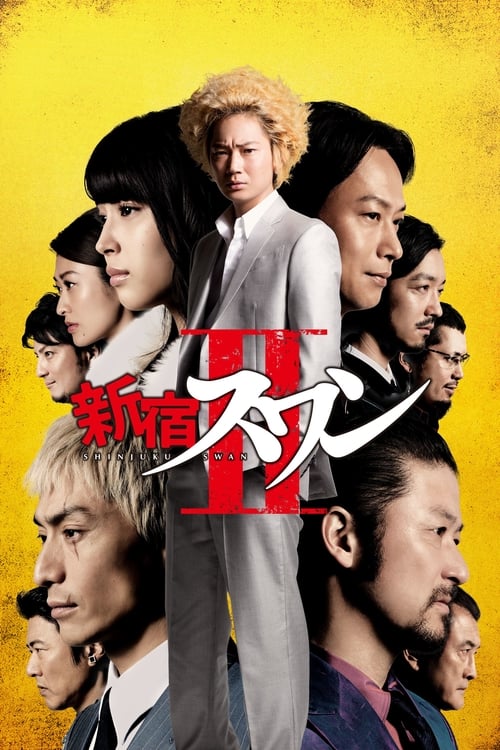
Shinjuku Swan II
2017
No user ratings available yet
Representation score: 7.2 out of 10
Representation Score
Good
2015
Director
Sion Sono
Runtime
139 minutes
Average Rating
No ratings yetNew Showbiz Analysis
Shinjuku Swan functions primarily as a socio-economic critique rather than a tool for demographic representation. It explores the transactional nature of human existence within a hyper-capitalist urban landscape, prioritizing systemic themes over identity-based storytelling. While the film scores low in traditional metrics like race, disability, and LGBTQ+ representation, it finds strength in its sophisticated deconstruction of institutional power. It challenges conventional morality by immersing viewers in a grey zone of survival. Ultimately, the film uses its gritty setting to examine how hyper-capitalism devalues human life, offering a complex view of exploitation that transcends simple moral frameworks.
Category Breakdown
The film focuses on the predatory dynamics of the host and hostess industries. It lacks prominent LGBTQ+ identities or non-binary gender narratives, centering instead on heterosexual economic exchanges.
The narrative offers a nuanced critique of gendered power dynamics. Instead of portraying women as passive, it depicts them navigating rigid hierarchies with various survival strategies.
Set in Tokyo’s Kabukichō, the film maintains high ethnic homogeneity. The story is deeply rooted in Japanese urban life and does not use diverse casting to disrupt the setting.
The film excels at critiquing capitalist structures and traditional institutions. It portrays the nightlife industry as a predatory ecosystem and depicts authority figures as complicit or ineffective.
There are no significant or meaningful depictions of physical or neurodivergent disabilities. The plot remains strictly focused on socioeconomic and criminal elements.
Present on Screen
Limited or Absent
Official Synopsis
Shiratori Tatsuhiko works as a scout for talent agency Burst in Kabukichō, Shinjuku's red light district, recruiting young girls for the adult entertainment industry. In a business where money means everything, Tatsuhiko finds himself in a constant struggle between rival scouts and the Yakuza.
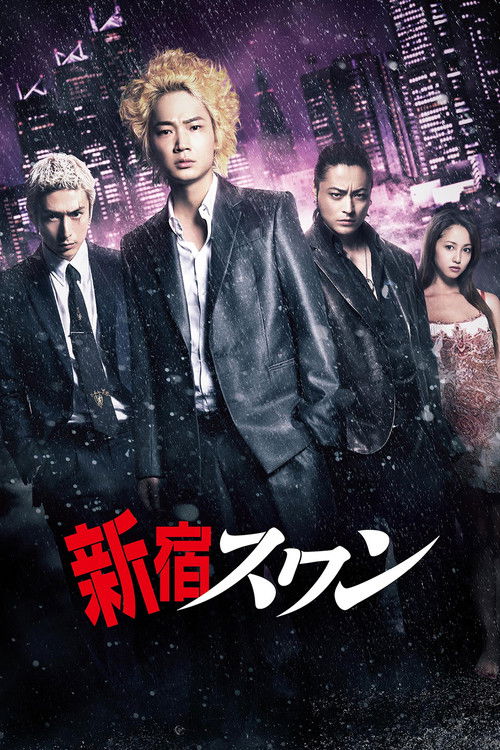
2017

2013
1976
1999

1970
1976
1969
2000
No reviews yet. Be the first to share your thoughts on this movie!
Use the rating form above to leave a star rating and optional review.