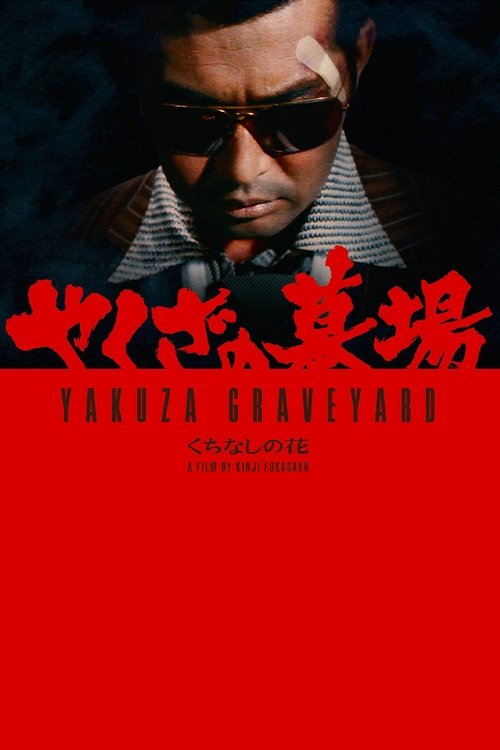
Yakuza Graveyard
1976
No user ratings available yet
Representation score: 4.9 out of 10
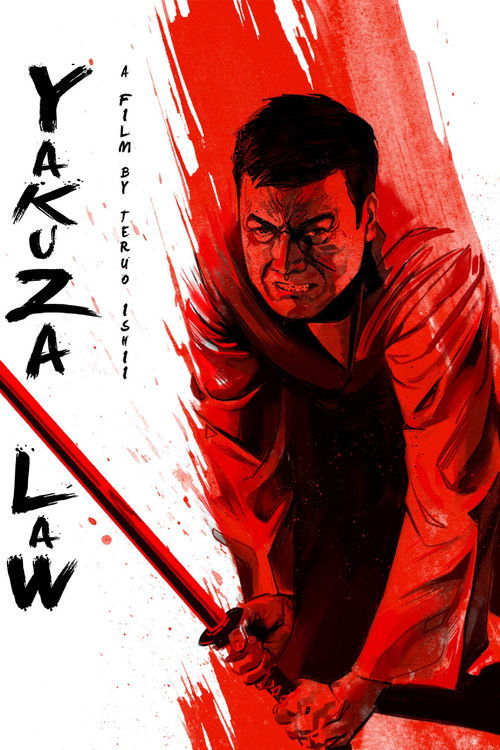
Representation Score
Fair
1969
Not RatedDirector
Teruo Ishii
Runtime
96 minutes
Average Rating
No ratings yetNew Showbiz Analysis
Teruo Ishii’s *Yakuza Law* is a genre-driven exploration of historical criminality that prioritizes visceral storytelling over diverse representation. It functions primarily as a study of extrajudicial justice and the chaotic transitions between the Edo, Meiji, and Showa periods. The film does not meet modern standards for gender and LGBTQ+ identities, reinforcing traditional masculine dominance. However, it achieves a moderate cultural score by questioning the legitimacy of formal legal institutions through its focus on subjective, private justice. Ultimately, the work is a period piece that examines social stratification and the disruption of conventional morality through the lens of the criminal underworld.
Category Breakdown
The film does not include any explicit LGBTQ+ characters or those with non-binary gender identities. It emphasizes masculine-coded structures within the yakuza genre.
The story centers on traditional patriarchal power structures and masculine hierarchies across three historical periods. Female characters tend to have peripheral or domestic roles without challenging gender norms.
As a historical study of Japan, the cast is ethnically uniform. The film does not use diverse ethnic casting to challenge the status quo.
The film questions state-sanctioned morality by focusing on private punishment and lynching. It depicts criminals as agents of their own law, presenting a relativistic view of social order.
There are no characters with disabilities portrayed with significant roles. Physical trauma may be used as a stylistic element rather than a nuanced character trait.
Present on Screen
Limited or Absent
Official Synopsis
A story of yakuza lynching during the Edo, Meiji, and Showa periods.
1976

1973

1969

1973
1958

1967

1982
2015
No reviews yet. Be the first to share your thoughts on this movie!
Use the rating form above to leave a star rating and optional review.