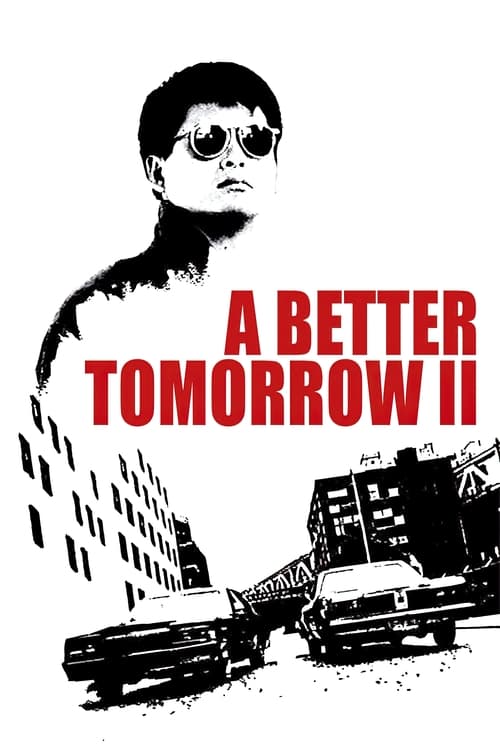
A Better Tomorrow II
1987
No user ratings available yet
Representation score: 1.8 out of 10
Representation Score
Minimal
1986
RDirector
John Woo
Runtime
95 minutes
Average Rating
No ratings yetNew Showbiz Analysis
John Woo’s masterpiece is a seminal work of genre cinema that prioritizes aesthetic stylization and the exploration of masculine loyalty. It succeeds in challenging conventional notions of good versus evil through moral relativism and situational ethics. However, the film remains tied to traditional hierarchies regarding gender and social ability to act. Its narrative structure elevates the myth of the heroic individual rather than deconstructing systemic power dynamics or promoting diverse representation. Ultimately, while culturally significant, the film functions as a hyper-masculine text that reinforces patriarchal structures and traditional social frameworks.
Category Breakdown
The film does not depict any LGBTQ+ identities or non-cisgender expressions. The social landscape is strictly defined by traditional heterosexual norms and male bonding.
The story is driven almost entirely by male characters and masculine codes of honor. Female characters are given secondary roles, mainly serving as emotional catalysts or romantic interests.
Set in Hong Kong, the film features a largely homogeneous cast reflecting the local population. While it avoids harmful stereotypes, it does not blend diverse ethnicities to challenge the status quo.
The film explores moral relativism by blurring the lines between legal authority and criminal activity. It emphasizes personal codes of honor over institutional justice, even glorifying organized crime.
There is no significant depiction of visible or invisible disabilities within the main character arcs.
Present on Screen
Limited or Absent
Official Synopsis
A reforming ex-gangster tries to reconcile with his estranged policeman brother, but the ties to his former gang are difficult to break.
1987
1999
1989
1996
1990
1990

2018

1989
No reviews yet. Be the first to share your thoughts on this movie!
Use the rating form above to leave a star rating and optional review.