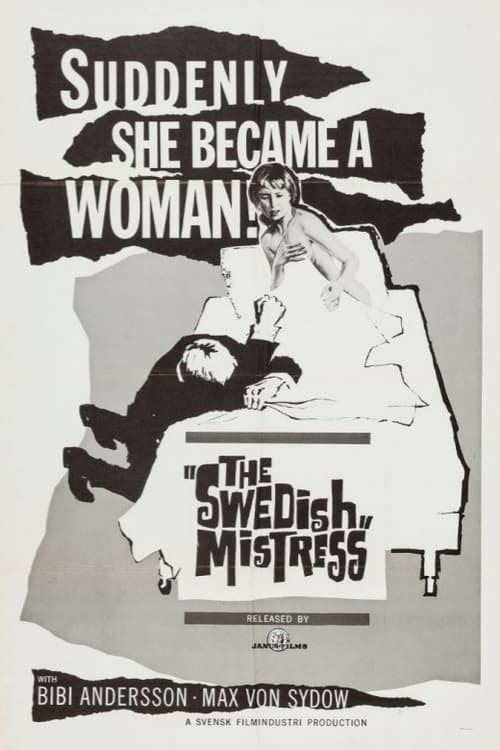
The Mistress
1962
No user ratings available yet
Representation score: 5.3 out of 10

Representation Score
Minimal
1961
Not RatedDirector
John Sturges
Runtime
115 minutes
Average Rating
No ratings yetNew Showbiz Analysis
By Love Possessed is a quintessential mid-century melodrama that prioritizes individual psychological obsession over social or systemic representation. It functions as a character study that reinforces the established social hierarchies of the early 1960s. The film lacks meaningful diversity across almost all categories, presenting a homogeneous social landscape. It adheres to the era's cinematic conventions, focusing on personal passion rather than challenging traditional gender, racial, or cultural roles. Ultimately, the production serves as a period-typical example of studio cinema, where character arcs are driven by romantic volatility rather than a desire to subvert traditional structures.
Category Breakdown
The film does not depict any LGBTQ+ identities. It focuses solely on traditional romantic and marital relationships of the 1960s.
The story relies on traditional gender roles. The male protagonist's behavior is explored, while the female lead often serves as a subject to his obsessive drives.
The cast is predominantly homogeneous, reflecting the casting standards of the era. There is a notable absence of racial diversity or non-Anglo-Saxon perspectives in primary roles.
The film operates within a conventional Western framework. It treats institutions like religion and capitalism as stable backdrops without engaging in any systemic critique.
Psychological instability and obsessive tendencies are framed through melodrama rather than a nuanced exploration of neurodivergence. These traits serve the plot's emotional stakes rather than providing character's ability to drive the story.
Present on Screen
Limited or Absent
Official Synopsis
An unhappily married woman engages in an affair with her husband's law partner.
1962

1964
1971
1965
1968
1952
1981
1971
No reviews yet. Be the first to share your thoughts on this movie!
Use the rating form above to leave a star rating and optional review.