Two People
1945
No user ratings available yet
Diversity score: 2.6 out of 10
1948
NRDirector
Irving Reis
Runtime
94 minutes
Average Rating
No ratings yetSynopsis
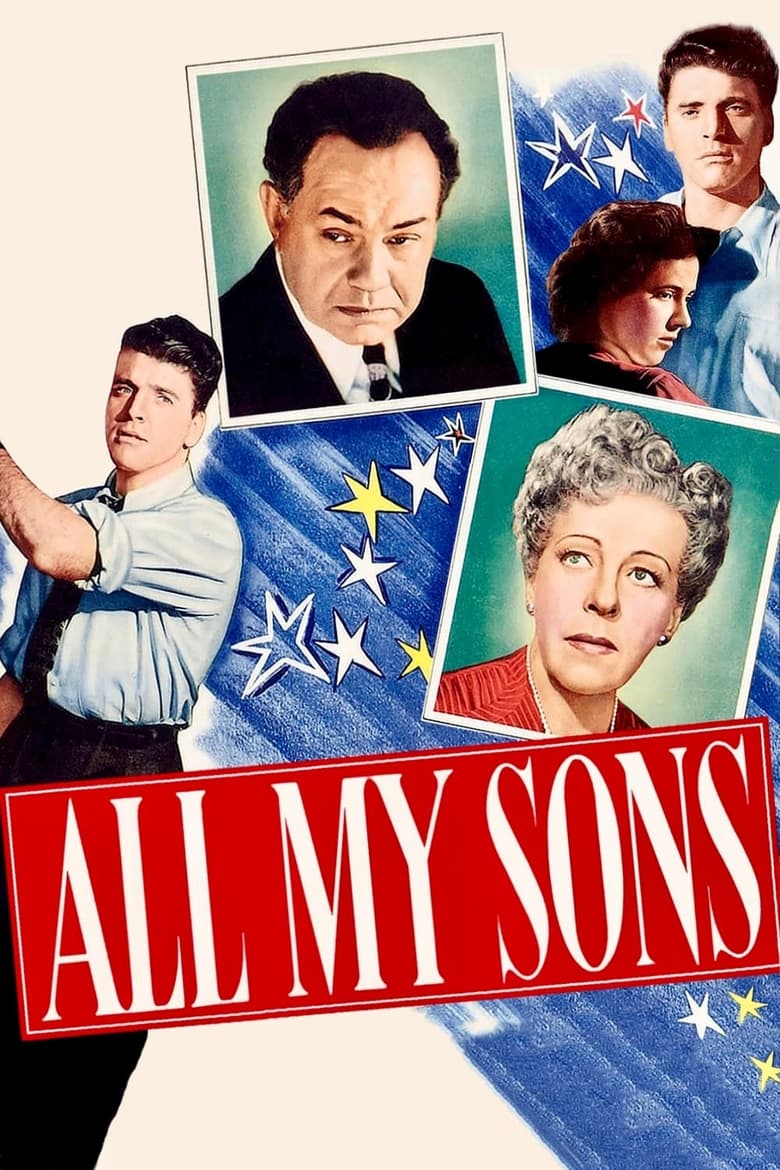
During WWII, industrialist Joe Keller commits a crime and frames his business partner Herbert Deever. Years later, his sin comes back to haunt him when his son plans to marry Deever's daughter.
Overall Score
Limited
Category Breakdown
LGBTQ+ Representation
The film operates within a strictly heteronormative framework. There are no depictions of queer narratives or non-cisnormative identities.
Gender Representation
The story follows a patriarchal structure centered on Joe Keller. However, it subverts the 'competent provider' archetype by portraying masculine authority as morally bankrupt.
Racial & Ethnic Diversity
The cast is predominantly white and homogeneous. The film does not engage with racial or ethnic diversity, reflecting the limited scope of mid-century suburban dramas.
Religious & Cultural Diversity
The narrative offers a sophisticated critique of Western capitalist structures. It explores the tension between the nuclear family unit and broader social duty.
Disability Representation
There are no significant depictions of physical or neurodivergent disabilities within the narrative.
Strengths
Areas for Improvement
AI Analysis
All My Sons is a film defined by a sharp tension between its demographic homogeneity and its progressive thematic depth. While the cast lacks racial, ethnic, or LGBTQ+ diversity, the story itself functions as a powerful critique of the American Dream and unregulated capitalism. The film's strength lies in its willingness to deconstruct traditional power structures. It moves beyond simple domestic drama to examine how individual greed can destroy the collective social fabric. Ultimately, the low diversity score reflects a lack of intersectional representation, even as the film's core message challenges the very institutional and economic values that defined its era.
1945
1949

1966
1946
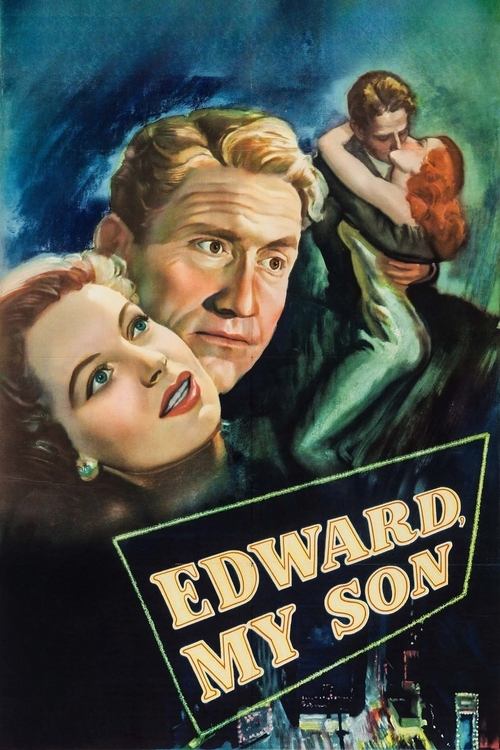
1949
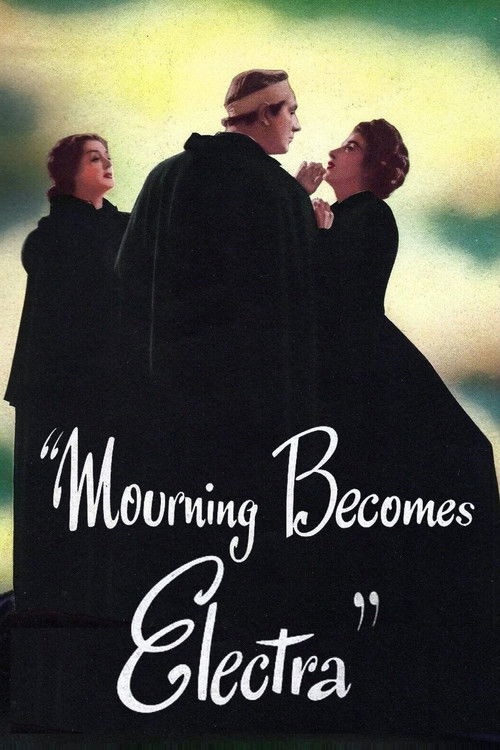
1947
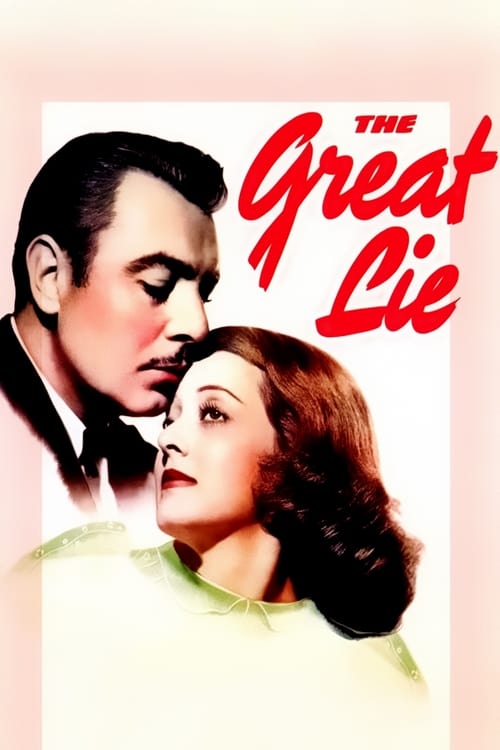
1941

1954
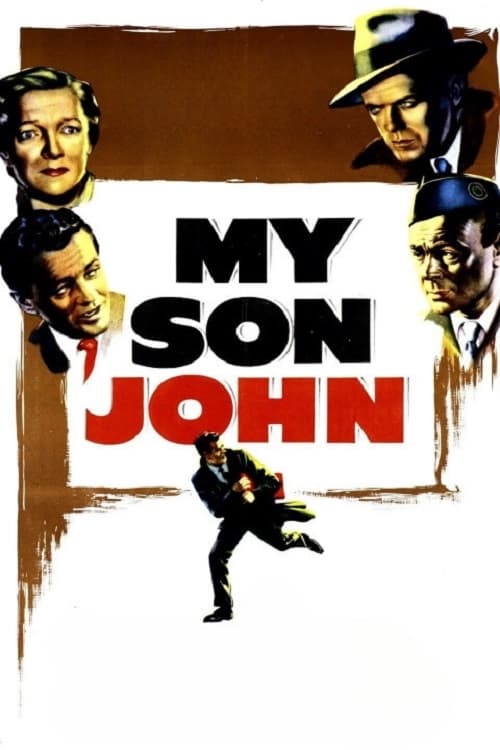
1952
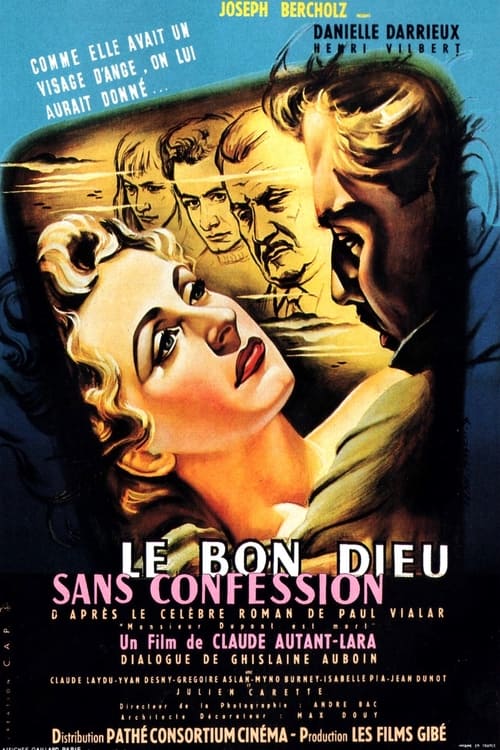
1953

1956

1974
No reviews yet. Be the first to share your thoughts on this movie!
Use the rating form above to leave a star rating and optional review.