
Go Ahead, Brazil!
1982
No user ratings available yet
Representation score: 4.8 out of 10
Representation Score
Fair
1977
Director
Héctor Babenco
Runtime
121 minutes
Average Rating
No ratings yetNew Showbiz Analysis
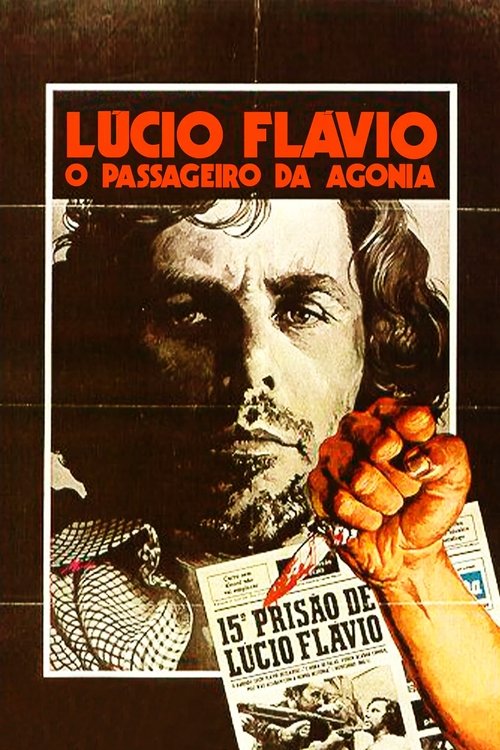
Héctor Babenco’s film is a work of social realism that prioritizes systemic critique over identity-based representation. It succeeds by disrupting Western-centric cinematic norms and challenging the perceived righteousness of state institutions. The film's strength lies in its cultural and racial specificity, offering a deep engagement with the lived realities of Brazilian society. It effectively deconstructs institutional integrity by portraying the state as an oppressive force. However, the film remains focused on traditional masculine-coded narratives. It lacks significant representation regarding gender subversion or LGBTQ+ identities, focusing instead on the tension between male protagonists and institutional power.
Category Breakdown
The film does not feature explicit LGBTQ+ storylines or characters. Its focus is on the criminal underworld and police corruption, emphasizing traditional social structures.
Male characters play a central role, highlighting masculine conflict between the robber and the police. The film explores masculine themes without significantly challenging traditional gender roles.
The film offers a localized look at Brazilian society, focusing on Rio de Janeiro. This approach challenges Western-centric views and highlights specific ethnic and national contexts.
The narrative criticizes state authority by depicting the Brazilian police as corrupt. The protagonist's political awareness points to a focus on systemic issues rather than legal formalities.
The film does not include characters dealing with physical, sensory, or neurodivergent disabilities.
Present on Screen
Limited or Absent
Official Synopsis
Story of Brazilian bank-robber Lúcio Flávio, who fascinated some people in Rio de Janeiro during the 1970s for his bold robberies and spectacular escapes, and also because he was thought to be intelligent and "politically aware". Before dying, he disclosed a network of corruption in Brazilian Police, and its involvement with the infamous "Death Squad" of the time, a group of policemen who went about killing criminals without giving them a fair trial.
1982

1980

1966
1962
1982

2010
1970

1962
No reviews yet. Be the first to share your thoughts on this movie!
Use the rating form above to leave a star rating and optional review.