In the Darkness of the Night
2004
No user ratings available yet
Diversity score: 5.1 out of 10
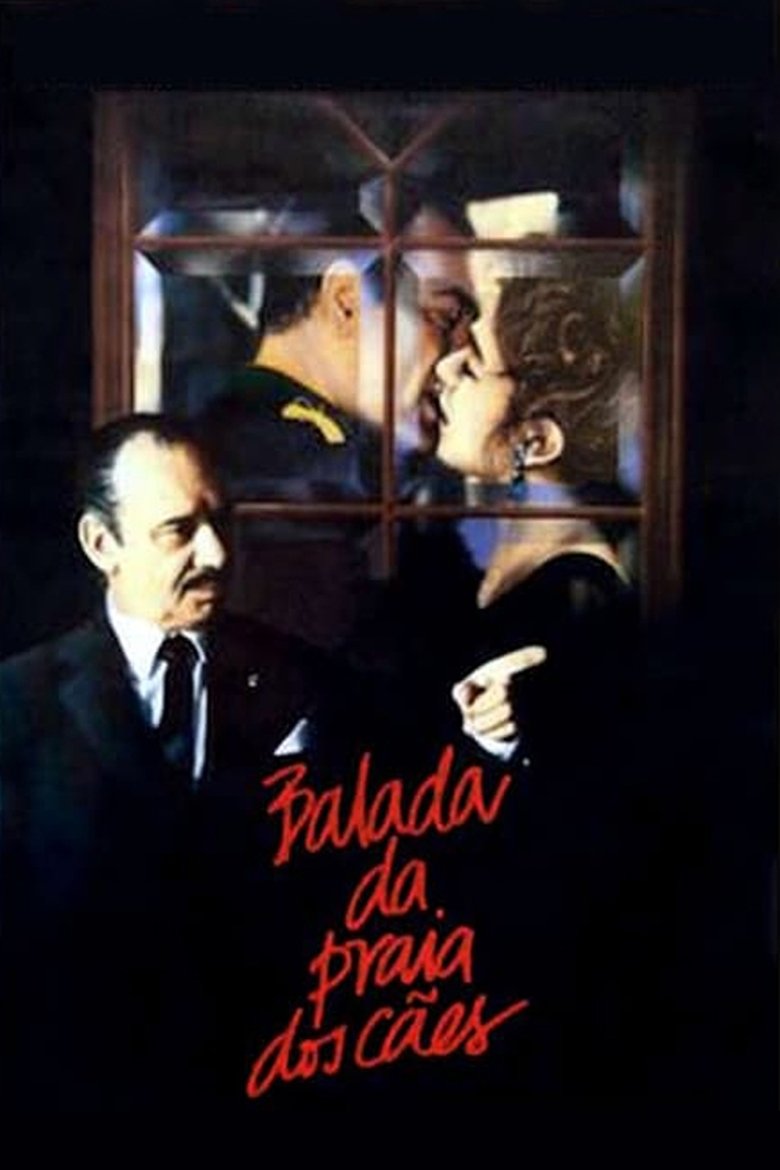
1987
Director
José Fonseca e Costa
Runtime
86 minutes
Average Rating
No ratings yetSynopsis
In Portugal, in the 60s, the corpse of a man appears on Dog's Beach. The corpse is identified as the major Dantas, a man wanted by authorities after his escape from a military prison where he was awaiting trial for insurrection.
Overall Score
Fair
Category Breakdown
LGBTQ+ Representation
The film lacks explicit LGBTQ+ character arcs or non-heteronormative narratives. The focus on military law and political insurrection limits the visibility of queer identities.
Gender Representation
Agency is concentrated in male figures, specifically the protagonist Major Dantas and the military apparatus. The film follows conventional 1960s crime drama gender hierarchies.
Racial & Ethnic Diversity
The narrative reflects the demographic homogeneity of 1960s Portugal. The cast appears primarily composed of white individuals consistent with the period and setting.
Religious & Cultural Diversity
The film offers high progressive value by deconstructing state authority. It challenges traditional institutions by framing political insurrection as a central dramatic driver.
Disability Representation
There is no documented evidence regarding the portrayal of physical or neurodivergent disabilities in this work.
Strengths
Areas for Improvement
AI Analysis
The film serves as a sophisticated critique of institutional authority rather than a vehicle for demographic intersectionality. Its primary strength is the narrative subversion of state legitimacy through the lens of political resistance. However, the work remains limited by the social constraints of its 1960s setting. It lacks overt identity-based representation, focusing instead on the psychological and systemic tensions of a military regime. Ultimately, the film prioritizes thematic interrogation of power over the inclusion of diverse social identities.
2004
1985

2007

2012
1981

2008

1977
1973
1985

2003

1965

1962
No reviews yet. Be the first to share your thoughts on this movie!
Use the rating form above to leave a star rating and optional review.