
Le piège à cons
1979
No user ratings available yet
Representation score: 6.3 out of 10
Representation Score
Limited
1970
Director
Jean-Pierre Mocky
Runtime
87 minutes
Average Rating
No ratings yetNew Showbiz Analysis
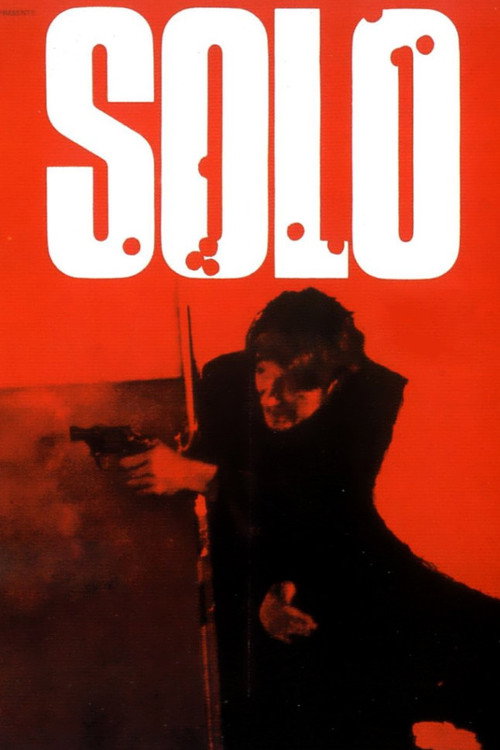
Solo is a film characterized by its ideological critique rather than broad demographic representation. It excels in deconstructing social hierarchies and challenging the stability of Western institutions through its portrayal of leftist revolutionaries and non-conformist protagonists. However, the film falls short in representing diverse genders and races. The focus remains heavily on male-centric power struggles, and the setting lacks ethnic diversity, reflecting the era's cinematic norms. Ultimately, the film's strength lies in its cultural subversion. It prioritizes moral relativism and individualistic non-conformity, even if it does not offer a wide range of identities.
Category Breakdown
The film does not focus on LGBTQ+ narratives or non-traditional gender identities. An orgy scene might suggest a challenge to traditional norms, but there are no specific character arcs that provide meaningful representation for LGBTQ+ individuals.
The story centers around male-dominated conflicts between revolutionaries and the elite. While it disrupts traditional patriarchal leadership through outsider characters, there is a notable lack of significant roles for women.
The film reflects the demographic uniformity typical of 1970s French cinema. The story focuses on localized French social conflicts within a traditional Western European context.
The plot strongly critiques capitalist structures and class hierarchies. It emphasizes moral relativism and anti-establishment sentiments, portraying revolutionary violence as a response to systemic corruption.
There is no indication of the portrayal of physical or neurodivergent disabilities within the narrative.
Present on Screen
Limited or Absent
Official Synopsis
A womanising violinist and jewel thief must abandon his carefree lifestyle when he learns that his younger brother is part of the leftist revolutionary group responsible for the brutal murders of powerful men. Determined to save the life of his idealistic sibling, the cynical drifter becomes embroiled in a struggle that is not his to fight.
1979
1979
1978
1970

1976
1973
1974
1963
No reviews yet. Be the first to share your thoughts on this movie!
Use the rating form above to leave a star rating and optional review.