
The Humiliated
1986
No user ratings available yet
Diversity score: 6.2 out of 10
1976
Director
Felipe Cazals
Runtime
83 minutes
Average Rating
No ratings yetSynopsis
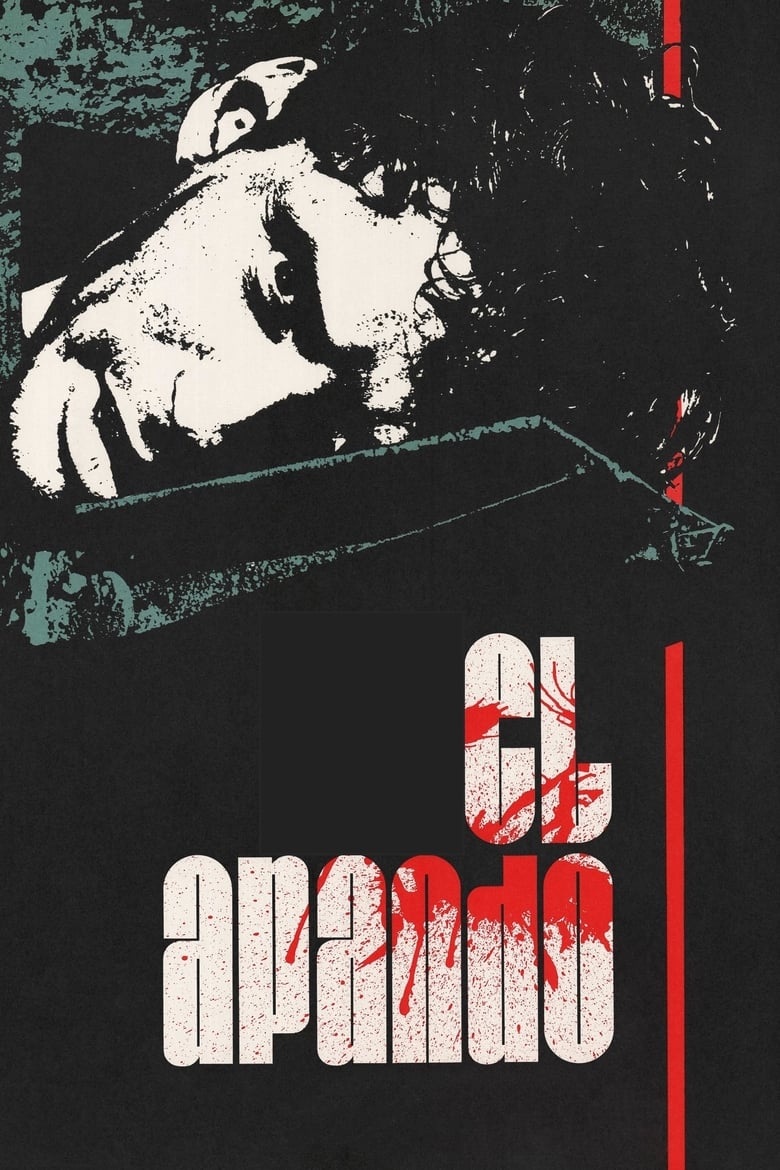
In Mexico City's infamous Lecumberri prison, three drug-addicted convicts celebrate getting drugs from one of their the mothers. They are found out and locked up in the "apando," the dreaded punishment cell. Protests over the treatment of those held in the cell lead to a bloody confrontation.
Overall Score
Fair
Category Breakdown
LGBTQ+ Representation
The film focuses on a hyper-masculine, claustrophobic prison environment. It lacks explicit LGBTQ+ identities or non-cisnormative expressions, reflecting the naturalist aesthetic of 1970s Mexican social realism.
Gender Representation
The narrative centers on a male-dominated penal ecosystem. Women appear in peripheral roles, such as mothers providing contraband, which reinforces traditional gender hierarchies within the story.
Racial & Ethnic Diversity
The film provides an authentic portrayal of Mexican social strata. It centers characters from marginalized, lower-socioeconomic backgrounds, granting high agency to characters of color within a localized context.
Religious & Cultural Diversity
The story functions as a critique of corrupt, oppressive institutions. It frames criminality and rebellion as survival mechanisms against an unjust state apparatus rather than simple moral failings.
Disability Representation
The film depicts the physical and psychological toll of addiction and incarceration. These states are treated through a raw, naturalist lens that focuses on the visceral reality of bodily degradation.
Strengths
Areas for Improvement
AI Analysis
Felipe Cazals' work excels at deconstructing institutional authority through a deeply authentic Mexican lens. By centering marginalized voices and critiquing systemic corruption, the film avoids an Anglo-centric perspective and provides significant agency to its characters of color. However, the film is limited by its narrow focus on a hyper-masculine environment. The lack of LGBTQ+ representation and the peripheral role of women reinforce traditional gender hierarchies, even as the film challenges state power. Ultimately, the film's strength lies in its social realism. It uses the brutal reality of the Lecumberri prison to critique the social contract, prioritizing a systemic critique over traditional moral tropes.
1986
2014

1976
1985
1984

1984

2012

1976

1988
1981
1987

1980
No reviews yet. Be the first to share your thoughts on this movie!
Use the rating form above to leave a star rating and optional review.