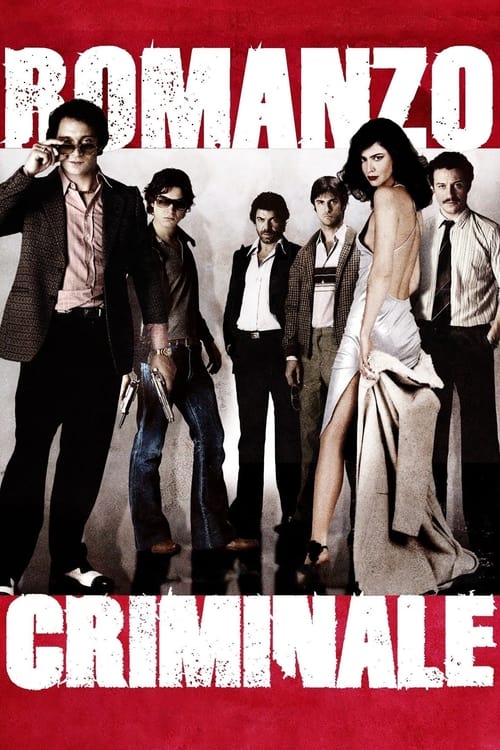
Crime Novel
2005
No user ratings available yet
Representation score: 4.8 out of 10
Representation Score
Fair
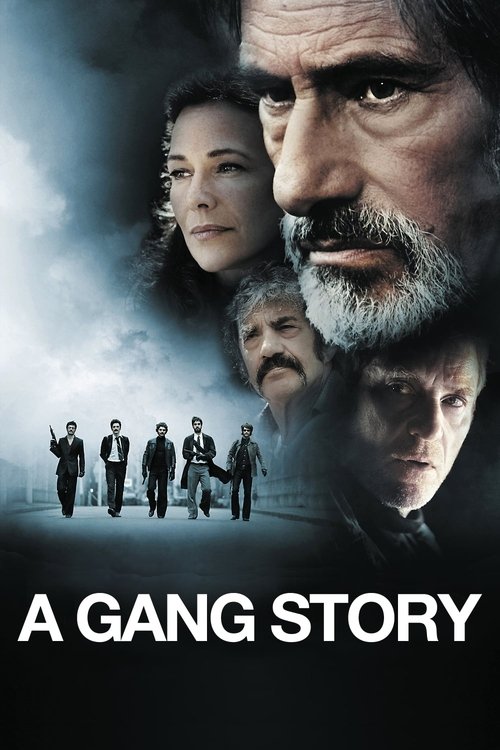
2011
RDirector
Olivier Marchal
Runtime
102 minutes
Average Rating
No ratings yetNew Showbiz Analysis
A Gang Story is a gritty neo-noir that emphasizes genre-specific clichés over diverse representation. The film follows conventional crime drama clichés, focusing on masculine aggression and criminal brotherhood rather than exploring varied social perspectives. While the film lacks progressive representation regarding gender, race, and sexual orientation, it offers a critique of institutional authority. It challenges the sanctity of state power by centering on a gang's internal code of loyalty. Ultimately, these elements function as genre conventions of the crime drama. The film explores moral relativism and anti-social behavior as professional necessities rather than as a deliberate effort to promote progressive social values.
Category Breakdown
The film focuses on heterosexual relationships and traditional masculinity. There are no LGBTQ+ characters or non-straight identities.
The story revolves around a male-dominated criminal world with traditional gender roles. Female characters such as Janou mainly serve as domestic figures and do not significantly influence the plot.
The film features a predominantly white, Mediterranean cast. While the protagonist has gypsy origins, the film does not delve into ethnic identity.
The story critiques Western institutions by showing distrust of police authority. It presents a cynical view of the legal system through situational ethics.
The film does not focus on visible or invisible disabilities. Characters are defined by physical strength rather than neurodivergence or chronic illness.
Present on Screen
Limited or Absent
Official Synopsis
After growing up in a poor gypsy camp, Edmond Vidal, aka Momon, has retained a sense of family, unfailing loyalty and pride in his origins. Most of all, he has remained friends with Serge Suttel, with whom he first discovered prison life - for stealing cherries. The two of them inevitably got involved in organized crime. The team they formed, the Ganf Des Lyonnais, made them the most notorious armed robbers of the early 1970s. Their irresistible rise ended in 1974 with a spectacular arrest. Today, as he nears 60, Momon would like to forget that part of his life. He has found peace by retiring from the "business". He tends to his wife Janou, who suffered so in the past, and to his children and grandchildren, all of whom have great respect for this man of simple and universal values, so clear-headed and full of kindness. But then Serge Suttel, who has disowned nothing of his past, comes back into the picture.
2005
2010
1998
1992

1999

2003
1959

1992
No reviews yet. Be the first to share your thoughts on this movie!
Use the rating form above to leave a star rating and optional review.