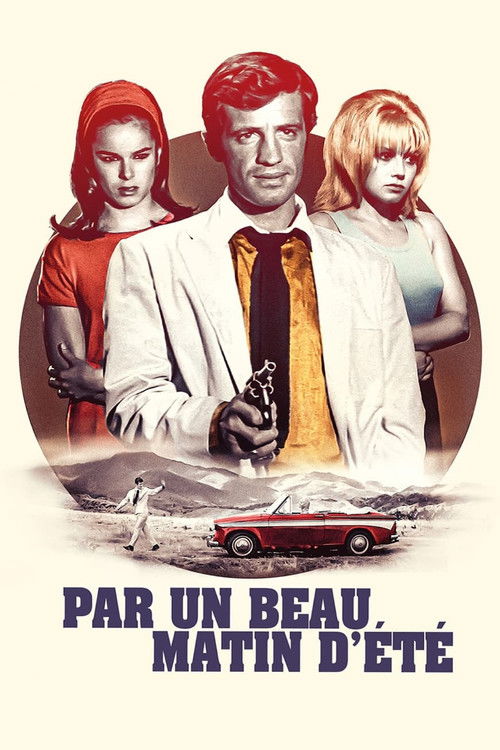
Crime on a Summer Morning
1965
No user ratings available yet
Representation score: 1.3 out of 10
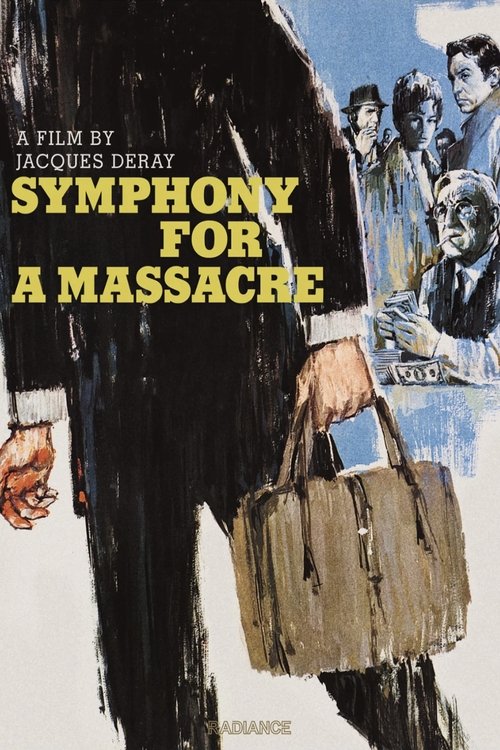
Representation Score
Limited
1963
Director
Jacques Deray
Runtime
115 minutes
Average Rating
No ratings yetNew Showbiz Analysis
Symphony for a Massacre is a complex crime film that uses its genre to critique colonial instability. It moves beyond simple hero clichés, presenting the colonial project as morally corrupt. However, the film is constrained by the social norms of 1963. It remains rooted in traditional gender hierarchies and lacks any meaningful LGBTQ+ representation, focusing on a strictly masculine world of crime and conflict. Ultimately, the film's strength lies in its nuanced cultural critique. By centering the Algerian struggle and questioning Western institutional authority, it offers a more sophisticated perspective compared to its contemporaries.
Category Breakdown
The film focuses on masculine dynamics within warfare and criminal activities. There is no representation of non-straight or non-cisgender identities or themes related to LGBTQ+ communities.
The story follows traditional gender roles from the 1960s, emphasizing male-dominated military and criminal structures. Women play minor roles without challenging the established masculine leadership.
The film highlights the conflict between French colonial forces and Algerian populations. Using North African actors gives ability to act to the colonized subjects and avoids a Eurocentric viewpoint.
The story critiques Western imperialism and explores moral relativism. It examines the systemic violence inherent in the French colonial administration.
There is no significant depiction of physical or neurodivergent disabilities in this film.
Present on Screen
Limited or Absent
Official Synopsis
A band of gangsters devise a plan to steal a game contested between two drug gangs of drug traffickers: the five fraudsters will face bigger problems than them.
1965
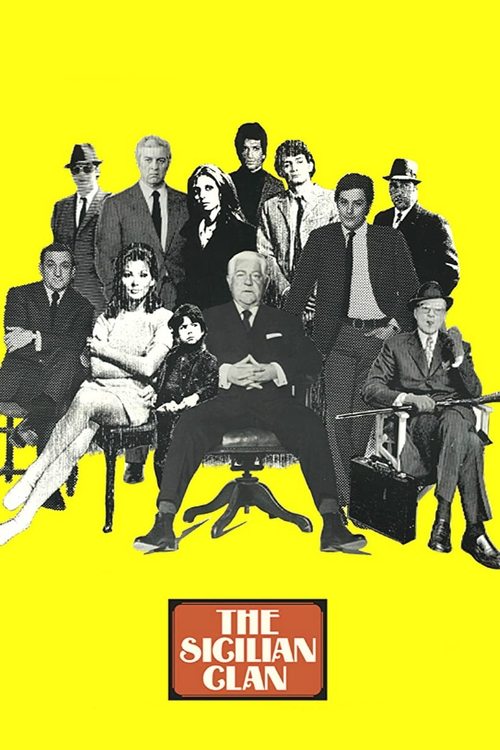
1969
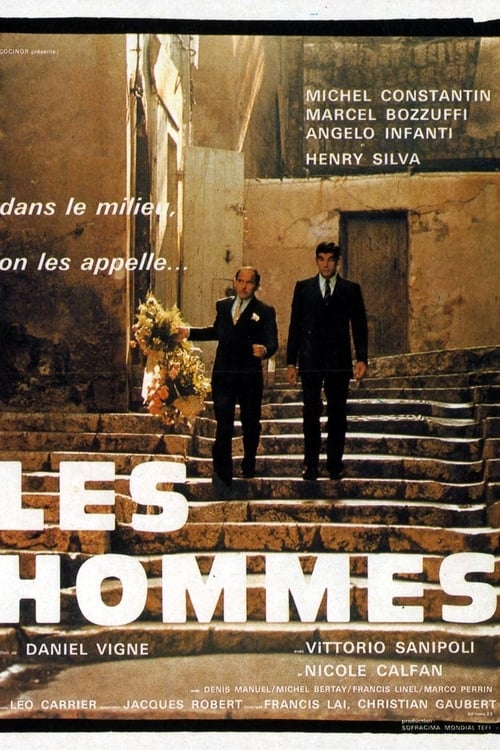
1973
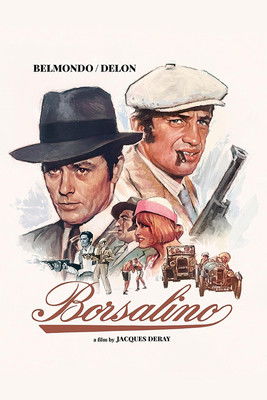
1970
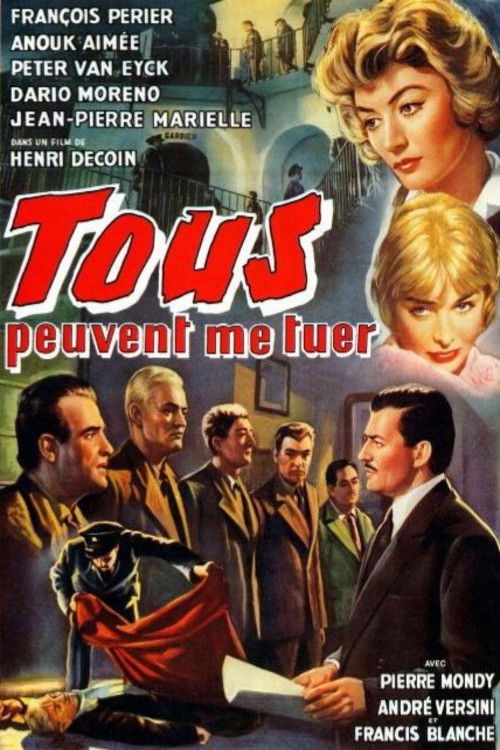
1957
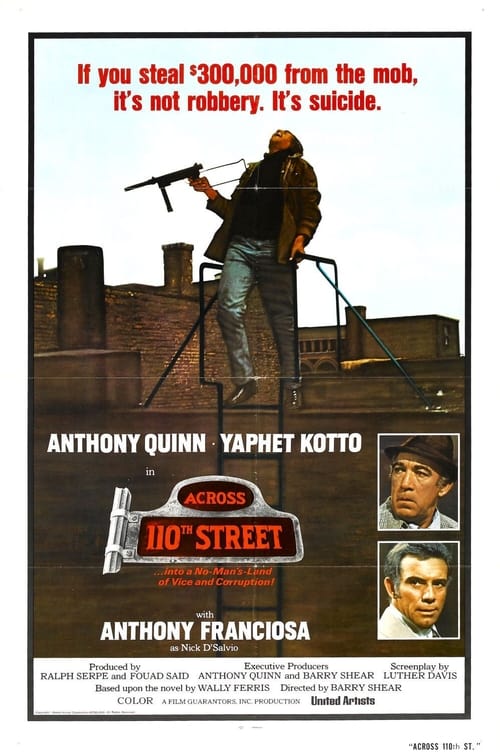
1972
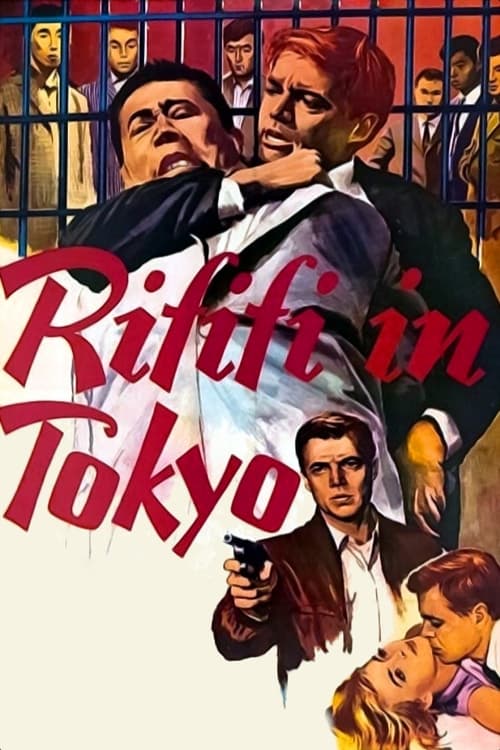
1963

1957
No reviews yet. Be the first to share your thoughts on this movie!
Use the rating form above to leave a star rating and optional review.