Dial 999
1955
No user ratings available yet
Representation score: 1.3 out of 10
Representation Score
Limited
1944
NRDirector
William Castle
Runtime
60 minutes
Average Rating
No ratings yetNew Showbiz Analysis
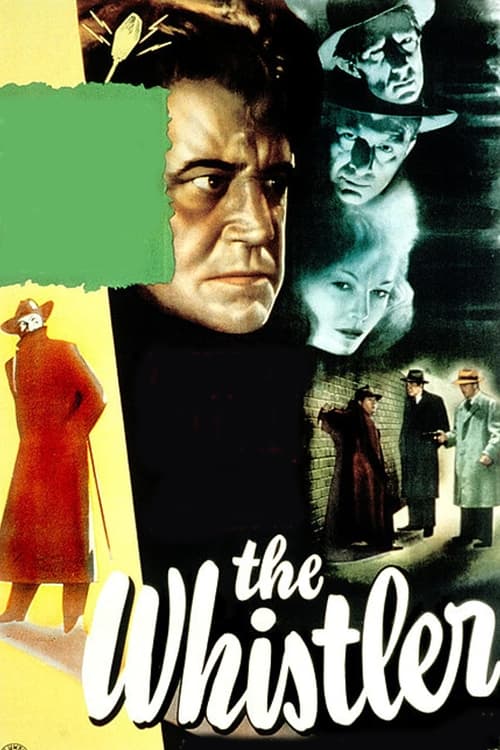
The Whistler is a quintessential product of its 1940s era, prioritizing genre-driven suspense over social exploration. The narrative structure relies heavily on established noir clichés, centering the story on a male protagonist's internal turmoil and guilt. Because the film adheres to the cinematic norms of 1944, it lacks depth in representing diverse identities. It reinforces the period's typical depictions of gender roles and cultural homogeneity rather than challenging them. Ultimately, the film serves as a psychological study of individual consequences rather than a vehicle for diverse representation or systemic critique.
Category Breakdown
The film follows the social norms of 1944, emphasizing a traditional heterosexual relationship. There is no representation of LGBTQ+ identities or non-cisgender perspectives.
The male protagonist's psychological guilt drives the story. The female character mainly serves as a catalyst for the plot rather than having her own independent role.
The film reflects the homogeneous casting practices of the time. It focuses on a small-town psychological mystery without diverse ethnic backgrounds.
The story operates within a traditional Western framework of morality and suspense. It centers on a conventional social order without questioning Western institutions.
Psychological distress is used to motivate characters and create suspense. The film does not explore neurodivergence or disability as a lived experience.
Present on Screen
Limited or Absent
Official Synopsis
A guilt-ridden man blames himself for his wife's death and secretly pays an assassin to kill him. But then he finds out that his wife isn't dead at all. And now the assassin is on his trail, with no way to call off the hit.
1955
1940
1947
1944
1954

1940

1945
1948
No reviews yet. Be the first to share your thoughts on this movie!
Use the rating form above to leave a star rating and optional review.