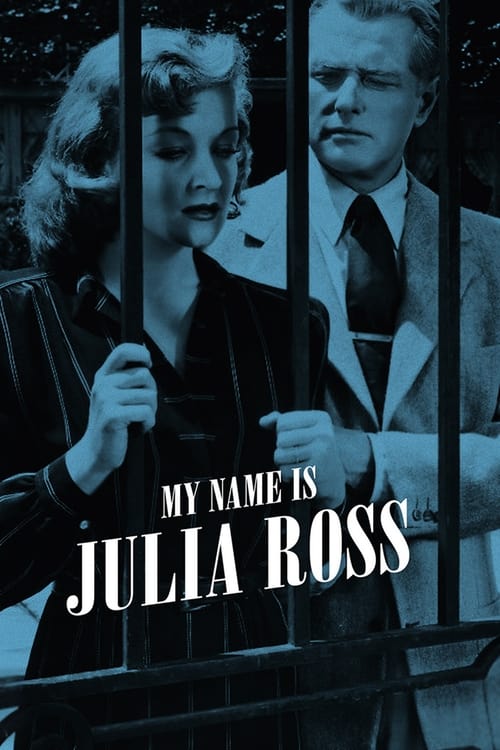
My Name Is Julia Ross
1945
No user ratings available yet
Representation score: 3.7 out of 10
Representation Score
Minimal
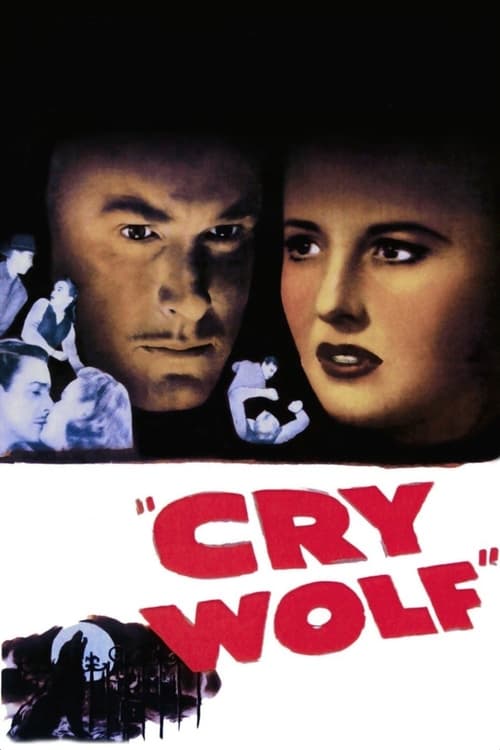
1947
ApprovedDirector
Peter Godfrey
Runtime
83 minutes
Average Rating
No ratings yetNew Showbiz Analysis
Cry Wolf is a period-accurate reflection of mid-century British social norms. It functions as a closed-circle mystery that maintains the traditional hierarchies of its era rather than disrupting them. The film lacks intentionality regarding diverse identities, focusing instead on the internal secrets of a singular, established lineage. Its narrative structure is designed to uphold the post-war period's status quo. Ultimately, the production offers a homogeneous view of upper-class life, providing little representation of race, disability, or non-traditional gender identities.
Category Breakdown
The film follows strict conventions that assume everyone is straight or cisgender. There are no narratives or identities that challenge the sexual politics of the 1940s.
While the female protagonist drives the mystery, she plays a reactive role. The story reinforces mid-century gender stereotypes rather than challenging them.
The cast is ethnically uniform, reflecting the era's lack of diverse casting. It depicts a predominantly white, Anglo-Saxon social environment within an English manor.
The narrative highlights Western aristocratic values and class distinctions. It uses established social institutions as a stable backdrop without critique.
There are no characters shown navigating physical or neurodivergent disabilities. Characters are presented through a lens of conventional ability.
Present on Screen
Limited or Absent
Official Synopsis
A woman uncovers deadly secrets when she visits her late husband's family.
1945
1940
1953
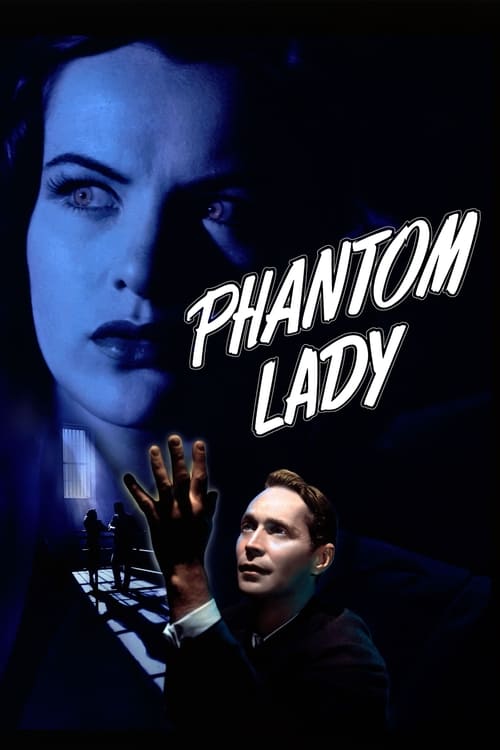
1944
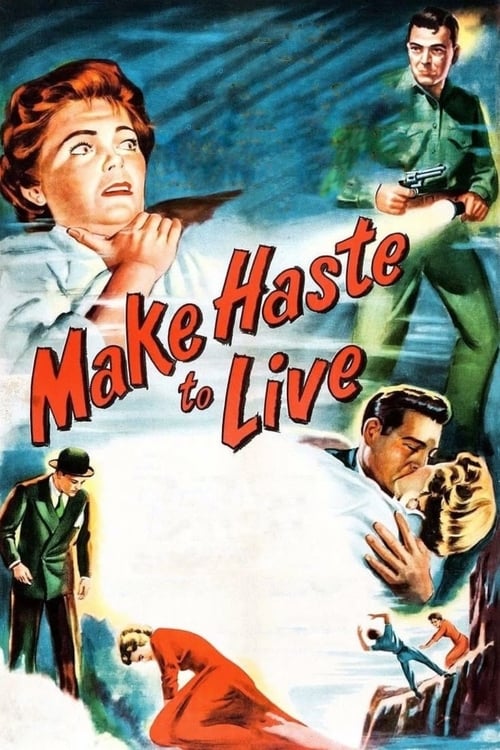
1954
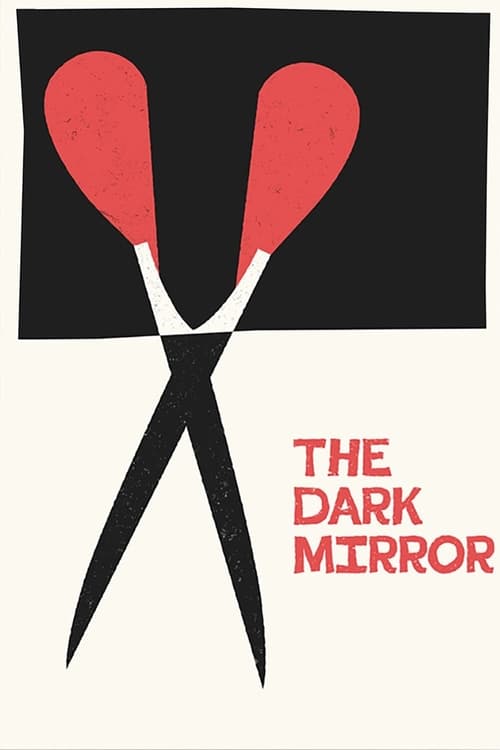
1946
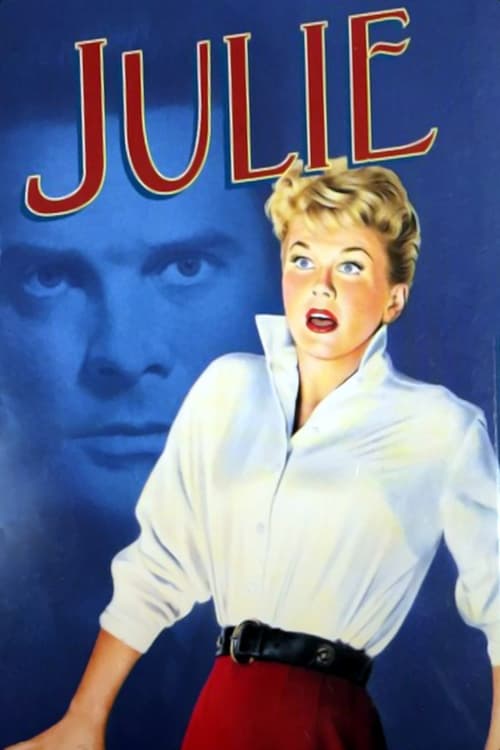
1956
1947
No reviews yet. Be the first to share your thoughts on this movie!
Use the rating form above to leave a star rating and optional review.