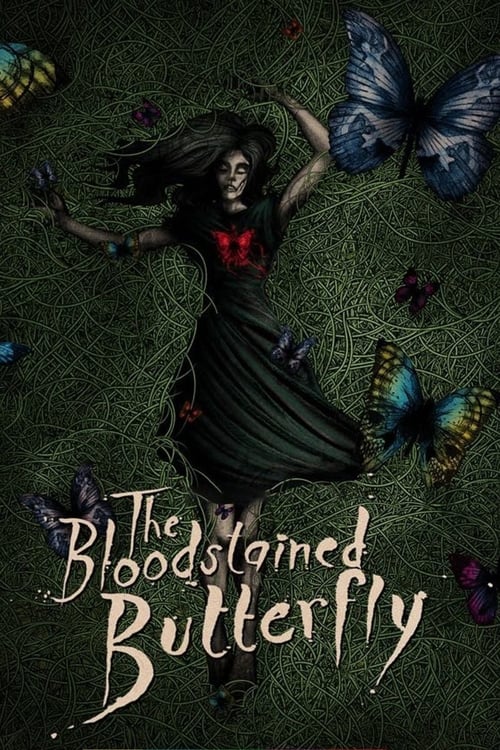
The Bloodstained Butterfly
1971
No user ratings available yet
Diversity score: 2.4 out of 10
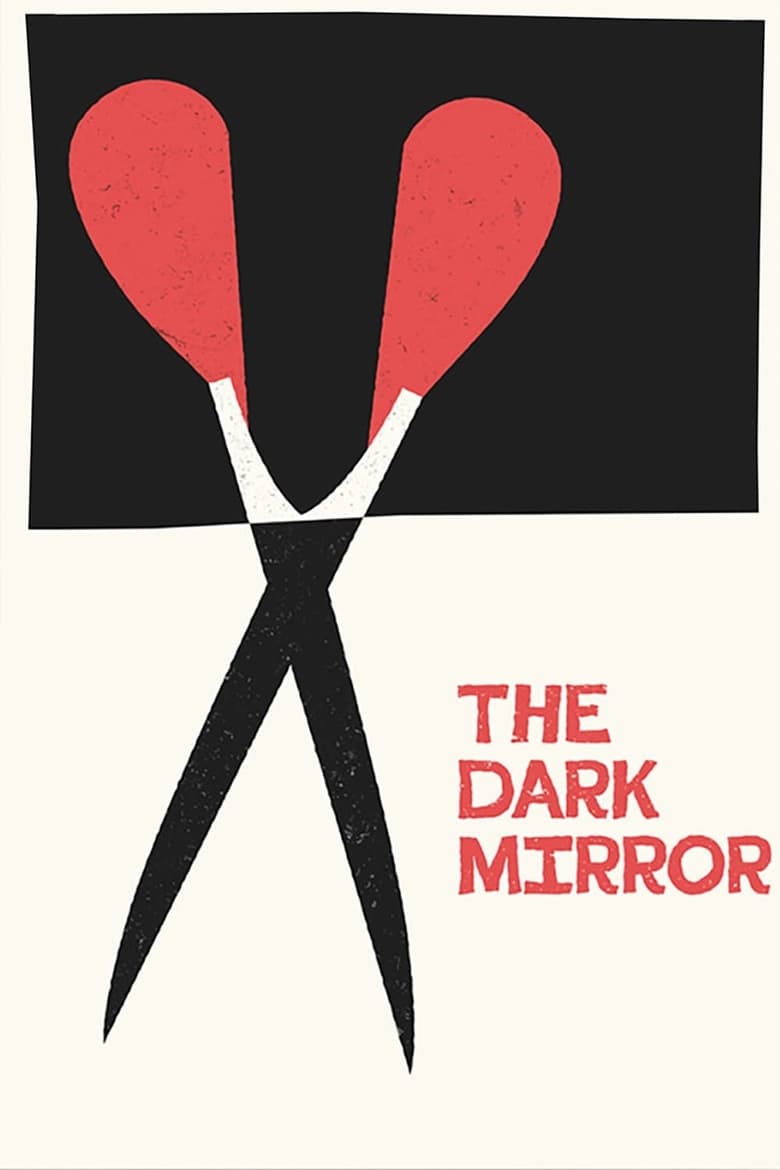
1946
ApprovedDirector
Robert Siodmak
Runtime
85 minutes
Average Rating
No ratings yetSynopsis
A sister and her disturbed twin are implicated in a murder and a police detective must figure out which one's the killer.
Overall Score
Limited
Category Breakdown
LGBTQ+ Representation
The film focuses entirely on heteronormative romantic and familial structures. There is no presence of non-cisnormative identities or critiques of heteronormativity.
Gender Representation
Myrna Loy’s protagonist challenges 1940s archetypes by portraying a professional psychologist. However, her agency remains frequently tied to her domestic and romantic relationships.
Racial & Ethnic Diversity
The film presents a homogeneous, white, upper-middle-class social environment. It does not engage with racial diversity or non-Anglo-Saxon characters.
Religious & Cultural Diversity
The story operates within mid-century Western institutions, using legal and medical authorities to resolve disorder. It reinforces the necessity of institutional intervention.
Disability Representation
Mental health and psychological fracturing drive the suspenseful plot. The film utilizes the 'disturbed' archetype rather than offering a lived-experience perspective on neurodivergence.
Strengths
Areas for Improvement
AI Analysis
The film stands as a sophisticated psychological study that offers moderate progressive value through its depiction of a woman in a position of intellectual authority. By placing a female psychologist at the center, it pushes against the domestic-centric female archetypes of the era. However, the work remains firmly rooted in the demographic and institutional norms of 1946. The lack of racial, LGBTQ+, and socio-economic diversity results in a narrow social scope that reflects a traditional mid-century cinematic framework. Ultimately, while the film explores the subjectivity of truth, it does so through a lens that reinforces existing Western institutions rather than critiquing them.
1971
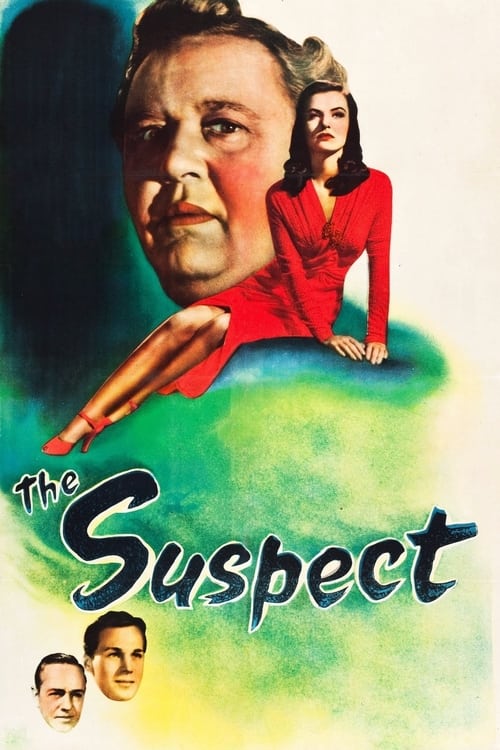
1945
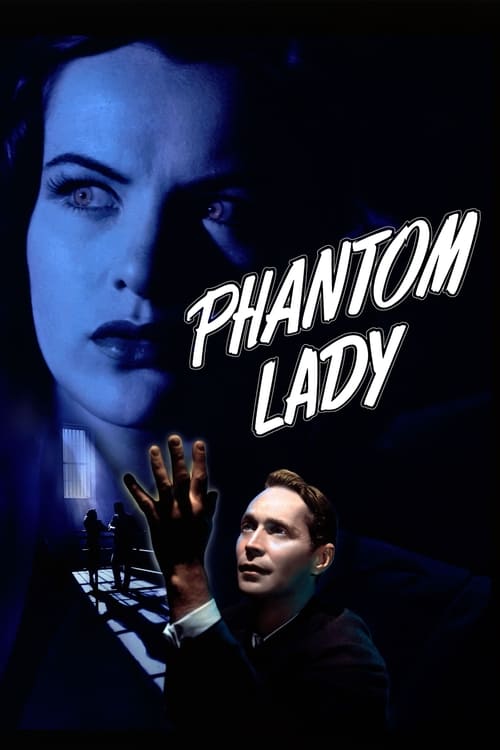
1944
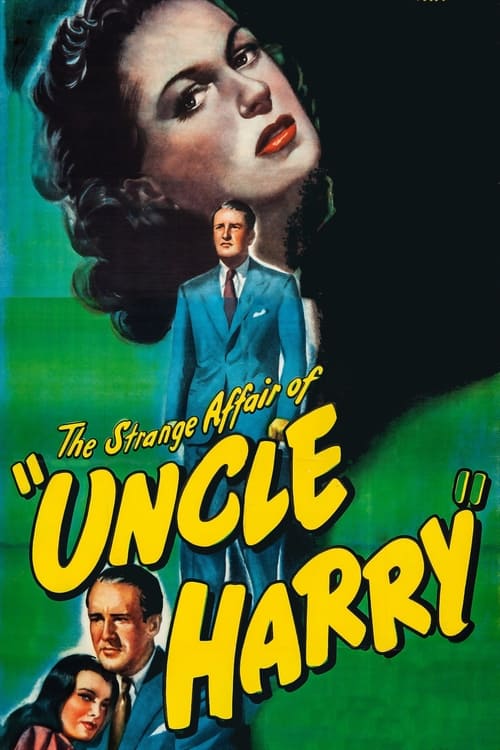
1945
No reviews yet. Be the first to share your thoughts on this movie!
Use the rating form above to leave a star rating and optional review.