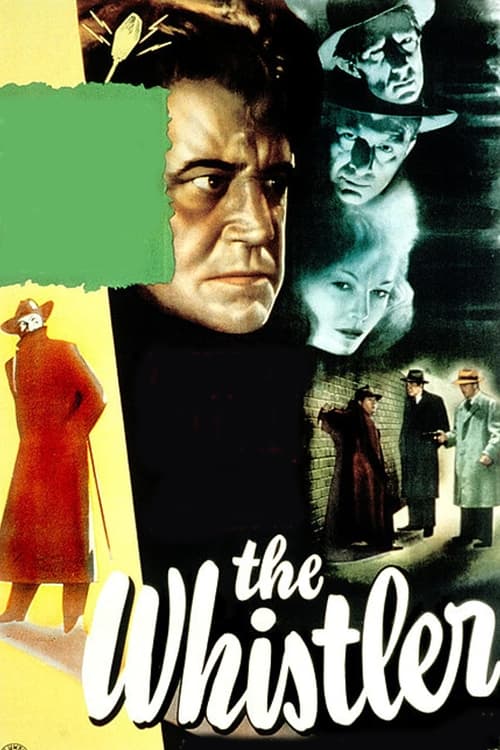
The Whistler
1944
No user ratings available yet
Diversity score: 2.4 out of 10
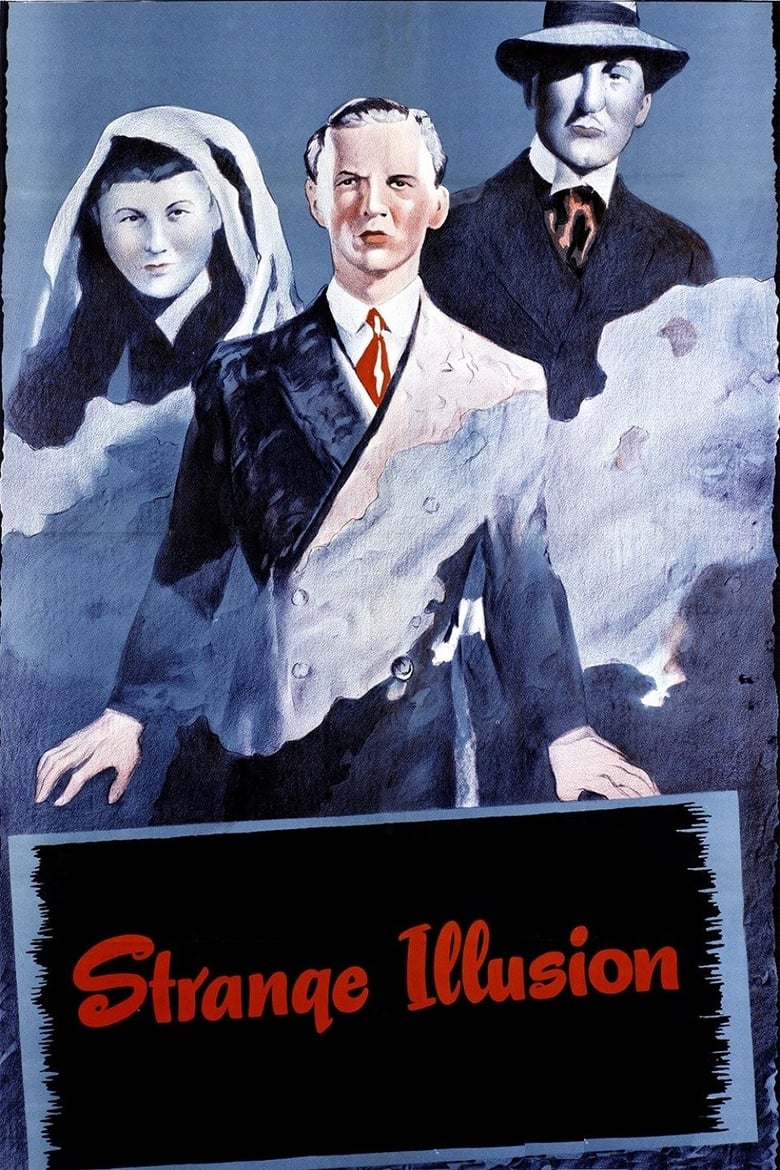
1945
ApprovedDirector
Edgar G. Ulmer
Runtime
87 minutes
Average Rating
No ratings yetSynopsis
An adolescent believes that his widowed mother's suitor may have murdered his father.
Overall Score
Limited
Category Breakdown
LGBTQ+ Representation
The film lacks identifiable LGBTQ+ characters or narratives. Interpersonal dynamics focus exclusively on heteronormative romantic and familial tensions.
Gender Representation
Gender roles follow traditional mid-century hierarchies. The female lead serves primarily as a catalyst for male obsession rather than a character with significant agency.
Racial & Ethnic Diversity
The cast is homogeneous, reflecting the standard Anglo-Saxon demographics of 1940s American cinema. There is no evidence of racial blending or intersectional diversity.
Religious & Cultural Diversity
The story operates within a traditional Western framework. It focuses on domestic suspicion and psychological trauma rather than deconstructing religious or social institutions.
Disability Representation
Themes of psychological instability are used as genre-standard plot devices for suspense. The film lacks nuanced portrayals of mental health or neurodivergence.
Strengths
Areas for Improvement
AI Analysis
Strange Illusion is a conventional noir that adheres strictly to the social and demographic norms of its era. The narrative relies on established genre tropes, such as the female lead acting as an object of male psychological conflict, rather than challenging existing power structures. The film lacks intentionality regarding intersectional representation. It presents a homogeneous world that avoids the inclusion of diverse racial, cultural, or LGBTQ+ identities, reinforcing the mid-century status quo. While the film touches on psychological themes, it treats mental instability as a tool for suspense rather than providing complex character studies. This results in a production that mirrors the limited representational landscape of 1945 studio cinema.
1944
1954
1947
1946
1943
1972
1940
1945
1946
1949
1942
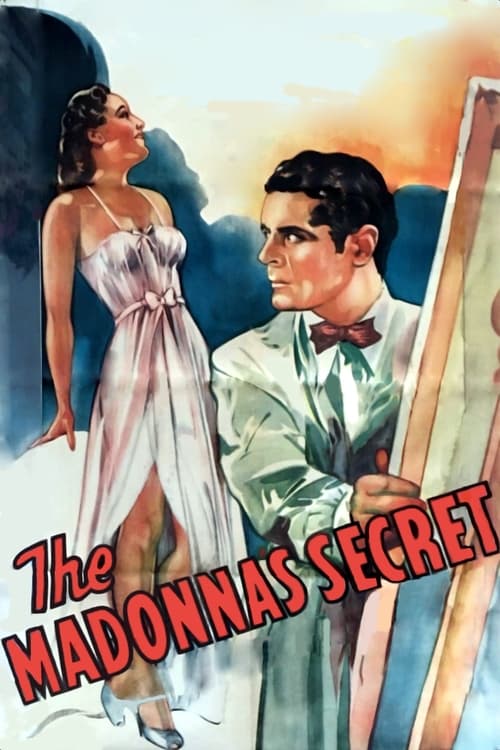
1946
No reviews yet. Be the first to share your thoughts on this movie!
Use the rating form above to leave a star rating and optional review.