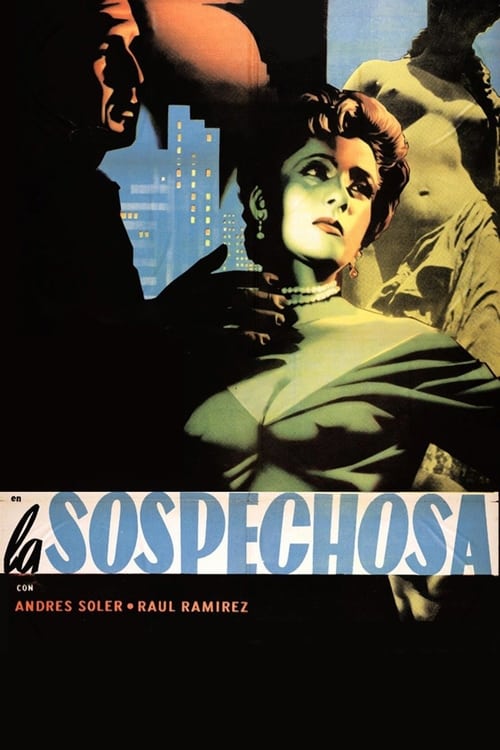
The Suspect
1955
No user ratings available yet
Representation score: 2.8 out of 10
Representation Score
Minimal
1944
NRDirector
William Castle
Runtime
67 minutes
Average Rating
No ratings yetNew Showbiz Analysis
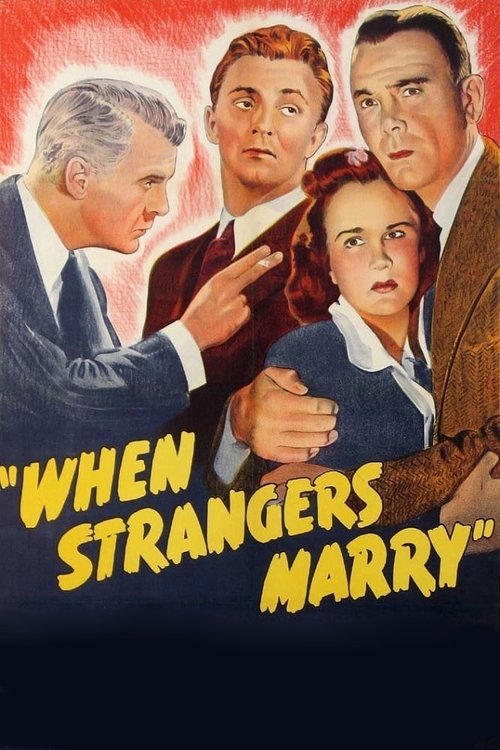
When Strangers Marry is a typical genre piece from the mid-1940s that adheres to the conventional social norms of its time. The narrative relies on established clichés, such as the vulnerable female protagonist, which limits its depth regarding representation and ability to act. The film lacks intentionality in disrupting social norms or providing multi-layered representation. It functions primarily as a traditional mystery-drama that reinforces the era's standard domestic and racial structures. Overall, the work serves as a reflection of the studio system's historical norms rather than a vehicle for diverse storytelling.
Category Breakdown
The film does not include any representations of LGBTQ+ identities or same-sex relationships. It focuses on traditional marital structures typical of the 1940s era.
The story centers around a naive young woman, a common cliché that often portrays women as passive subjects. Despite showing some investigative initiative, her character remains tied to traditional feminine archetypes.
The production reflects the homogeneous casting practices of the 1940s studio system. It depicts white, Anglo-Saxon characters as the default social norm without showcasing a diverse cast.
The film operates within the moral framework of mid-century society, emphasizing individual morality and the sanctity of marriage. It uses classic noir clichés without challenging systemic or institutional issues.
There is no information available regarding the portrayal of physical or neurodivergent disabilities in this work.
Present on Screen
Limited or Absent
Official Synopsis
A naive small-town girl comes to New York City to meet her husband, and discovers that he may be a murderer.
1955

1944

1944
1945

1941
1947
1942

1944
No reviews yet. Be the first to share your thoughts on this movie!
Use the rating form above to leave a star rating and optional review.