
Stolen Heaven
1951
No user ratings available yet
Representation score: 3.5 out of 10
Representation Score
Limited
1946
NRDirector
Irving Reis
Runtime
96 minutes
Average Rating
No ratings yetNew Showbiz Analysis
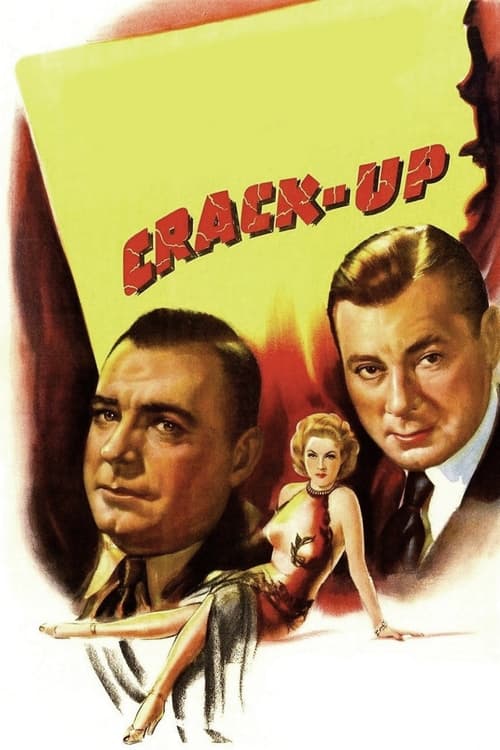
Crack-Up is a mid-century thriller that aligns closely with the conventional social and cinematic norms of its time. The film does not provide meaningful representation of diverse identities or challenge traditional cultural norms. The narrative centers on a psychological mystery, using mental health issues as a tool for suspense. However, it does not go beyond the standard genre clichés of the 1940s to offer meaningful representation of underrepresented groups.
Category Breakdown
The film does not include any representation of LGBTQ+ identities or same-sex relationships. It follows a traditional framework that assumes everyone is straight and cisgender.
Women play supporting or stereotypical roles rather than driving the plot. The story structure adheres to the traditional gender roles of the 1940s.
The production reflects the homogeneous casting practices of mid-century Hollywood. There is no indication of a diverse cast with non-white actors.
The story operates within the moral and social norms of post-war America. It does not challenge Western cultural norms or prioritize secular viewpoints.
Mental instability is used as a plot device for suspense rather than a nuanced exploration of neurodivergence. The character's psychological breakdown lacks evidence of personal control.
Present on Screen
Limited or Absent
Official Synopsis
Art curator George Steele experiences a train wreck...which never happened. Is he cracking up, or the victim of a plot?
1951
1940
1944
1944
1948

1940
1953

1946
No reviews yet. Be the first to share your thoughts on this movie!
Use the rating form above to leave a star rating and optional review.