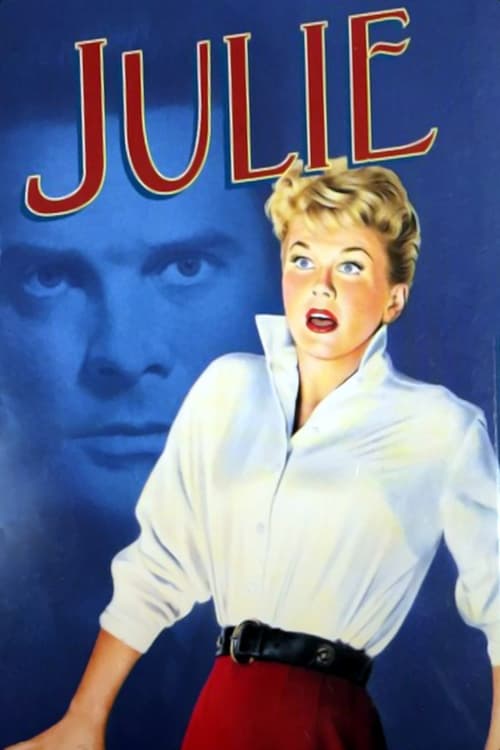
Julie
1956
No user ratings available yet
Representation score: 1.1 out of 10
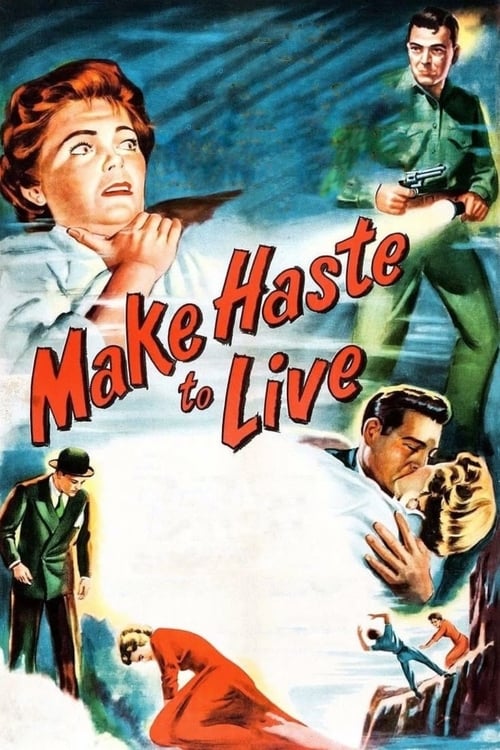
Representation Score
Minimal
1954
ApprovedDirector
William A. Seiter
Runtime
90 minutes
Average Rating
No ratings yetNew Showbiz Analysis
Make Haste to Live is a thriller from the 1950s that adheres closely to the social norms of its time. While it features a central female protagonist, the narrative remains tied to traditional gender roles and demographic boundaries. The film does not actively seek diverse representation, maintaining a homogeneous cast and a conventional moral framework. It does not aim to challenge established social hierarchies or explore varied identities. Overall, the film reflects its historical context, focusing on suspenseful storytelling rather than broad demographic or cultural representation.
Category Breakdown
The film does not feature any LGBTQ+ characters or queer themes. The storyline sticks to traditional romantic and family roles.
The main character is a single mother who drives the story, but her role revolves around being stalked rather than challenging gender norms.
The cast is homogeneous, typical of productions from the 1950s. There is no significant racial or ethnic diversity among the actors.
The story follows a conventional Western moral framework, reinforcing traditional values without critiquing religion or culture.
There are no characters with visible or invisible disabilities. Disability is not used as a narrative element or plot point.
Present on Screen
Limited or Absent
Official Synopsis
A single mother in New Mexico senses her own death in the hands of a mysterious stalker.
1956
1940
1947

1960
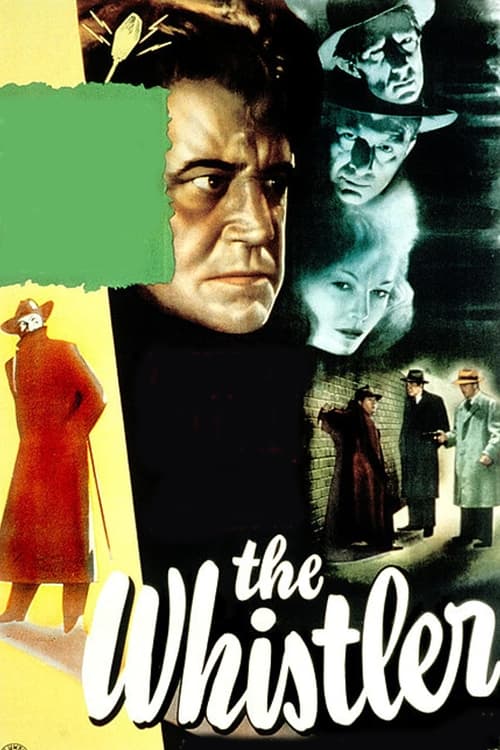
1944
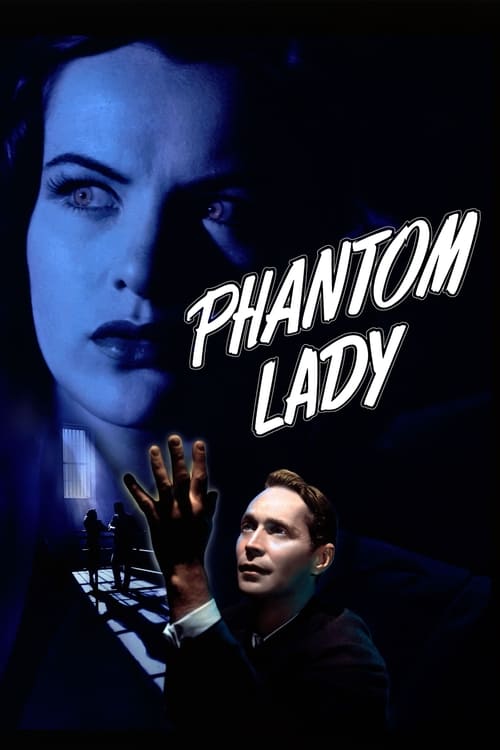
1944
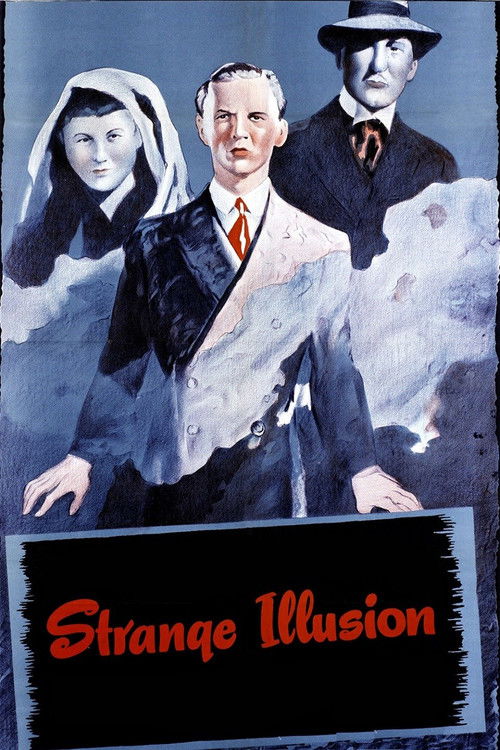
1945
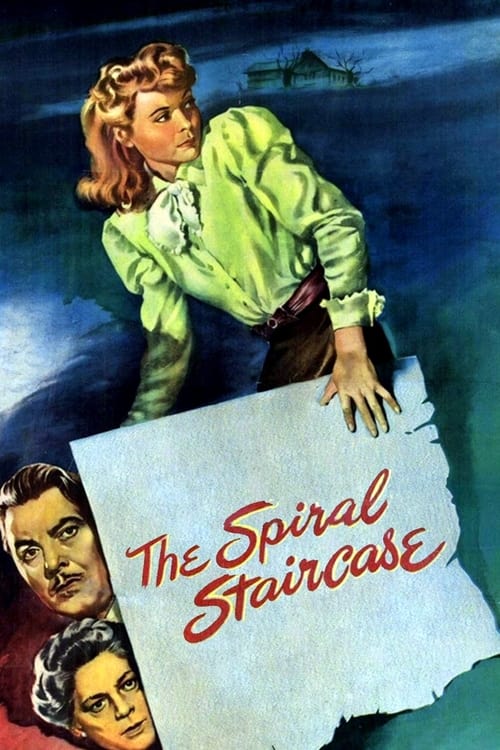
1946
No reviews yet. Be the first to share your thoughts on this movie!
Use the rating form above to leave a star rating and optional review.