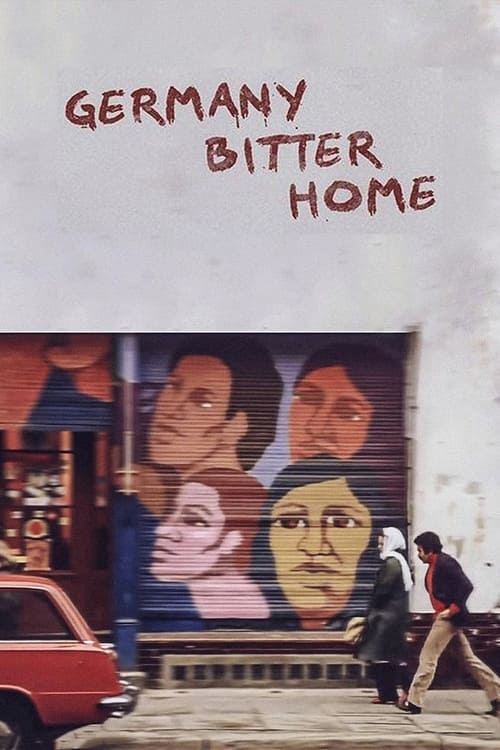
Germany, Bitter Home
1979
No user ratings available yet
Representation score: 6.6 out of 10
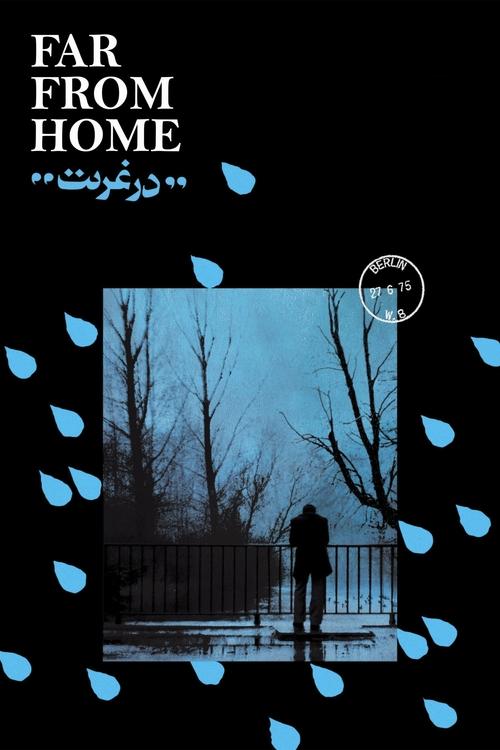
Representation Score
Fair
1975
Director
Sohrab Shahid Saless
Runtime
91 minutes
Average Rating
No ratings yetNew Showbiz Analysis
Far from Home is a powerful, minimalist study of the migrant experience in 1970s West Berlin. It excels by centering a Turkish protagonist and offering a nuanced look at systemic racism and the dehumanizing effects of industrial capitalism. While the film stands out for its authentic ethnic representation and post-colonial critique, it remains limited by traditional gender dynamics. The narrative focuses heavily on the male experience of labor and economic provision. Ultimately, the film's strength lies in its disruption of Western cinematic norms, though it lacks representation for LGBTQ+ identities or specific disability-focused narratives.
Category Breakdown
The film does not include any queer narratives or characters with non-cisgender identities. The story operates within a framework that assumes everyone is straight.
The narrative focuses on the male experience of labor and displacement, adhering to traditional gender roles. It does not challenge patriarchal hierarchies.
The film authentically portrays the Turkish diaspora in West Berlin, showing systemic prejudice and racist treatment without resorting to stereotypes.
The story critiques capitalist structures and the exploitation of guest workers, highlighting the dehumanizing nature of industrial labor through a realistic lens.
The film does not feature characters with specific physical or neurodivergent disabilities. However, it explores the psychological toll and mental exhaustion caused by repetitive, alienating labor.
Present on Screen
Limited or Absent
Official Synopsis
Turkish migrant Husseyin spends his days in hypnotic routine as a “guest worker” in ‘70s West Berlin, living in a small, shared apartment and commuting daily to his job at a factory pressing machine parts. Diligently saving up his wages he hopes to one day marry and buy a house back home, but his immediate future in Berlin is clouded by indignities at the hands of racist coworkers and botched attempts at romantic intimacy.
1979

1966

1980

1961

1999

1991
1978
1973
No reviews yet. Be the first to share your thoughts on this movie!
Use the rating form above to leave a star rating and optional review.