Blood of Revenge
1965
No user ratings available yet
Diversity score: 2.3 out of 10
1966
Director
Tai Katō
Runtime
90 minutes
Average Rating
No ratings yetSynopsis
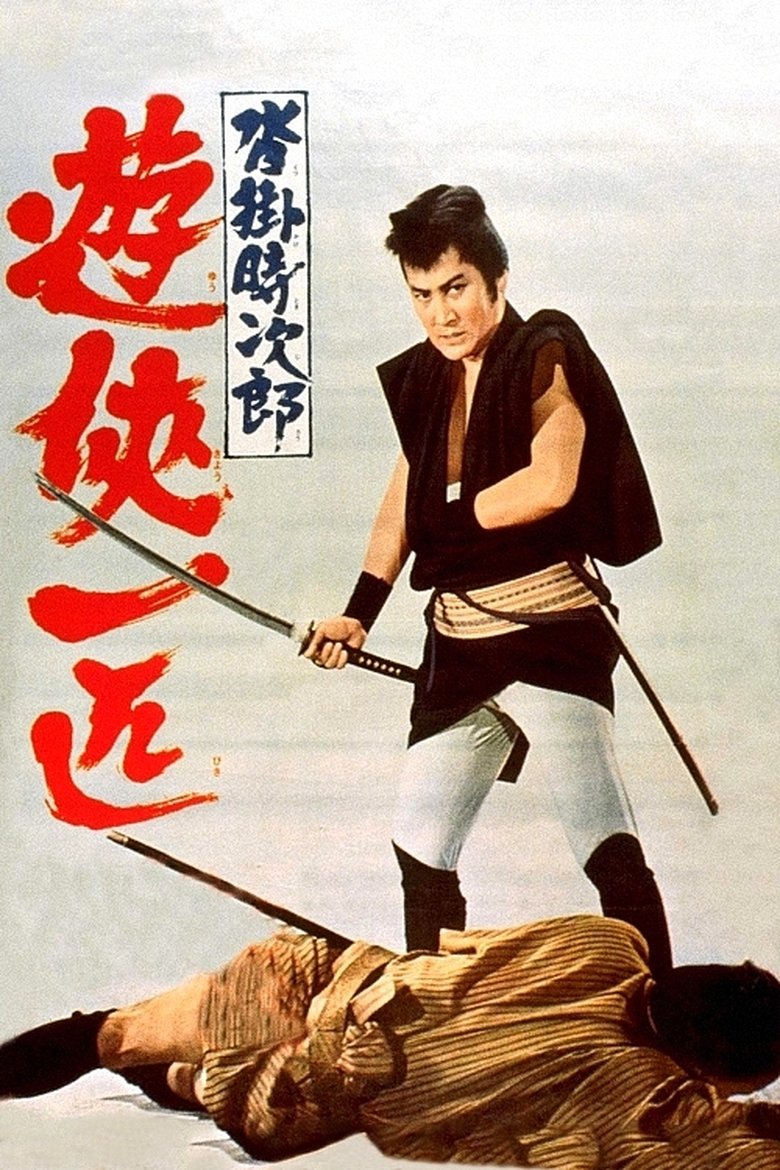
Tokijiro has the unfortunate duty according to the code of the gamblers to join in the fighting when afforded a night’s stay and meals at the home of a town boss. Though he dislikes killing, the strength of his swordsmanship will be tested time and time again in the bloody tale.
Overall Score
Limited
Category Breakdown
LGBTQ+ Representation
The film focuses on traditional masculine tropes of the wandering swordsman. There is no evidence of LGBTQ+ characters or narratives that critique heteronormativity.
Gender Representation
The narrative centers on a male protagonist navigating a violent, patriarchal social structure. It emphasizes physical dominance and swordsmanship without subverting gender hierarchies.
Racial & Ethnic Diversity
As a period piece set in historical Japan, the cast is ethnically homogeneous. The film focuses on a localized historical narrative rather than diverse casting.
Religious & Cultural Diversity
The story explores the friction between individual desire and the 'code of the gamblers.' It reinforces traditional honor-based systems and social obligations.
Disability Representation
There is no information regarding the inclusion or portrayal of characters with physical or neurodivergent disabilities.
Strengths
Areas for Improvement
AI Analysis
Tai Katō’s film is a classic genre piece that adheres strictly to the stylistic conventions of 1960s chanbara cinema. The narrative prioritizes the individual martial prowess of the protagonist and his adherence to localized social codes. While the film offers a focused study of a specific historical archetype, it lacks intersectional complexity. The story operates within the cultural and social constraints of its era, focusing on traditional masculine leadership and honor-based systems. Ultimately, the film functions as a traditional action adventure. It does not attempt to disrupt established hierarchies or provide a critique of the social structures it depicts.
No reviews yet. Be the first to share your thoughts on this movie!
Use the rating form above to leave a star rating and optional review.