
Honey, I Shrunk the Kids
1989
No user ratings available yet
Representation score: 0.4 out of 10
Representation Score
Minimal
1992
PGDirector
Randal Kleiser
Runtime
89 minutes
Average Rating
No ratings yetNew Showbiz Analysis
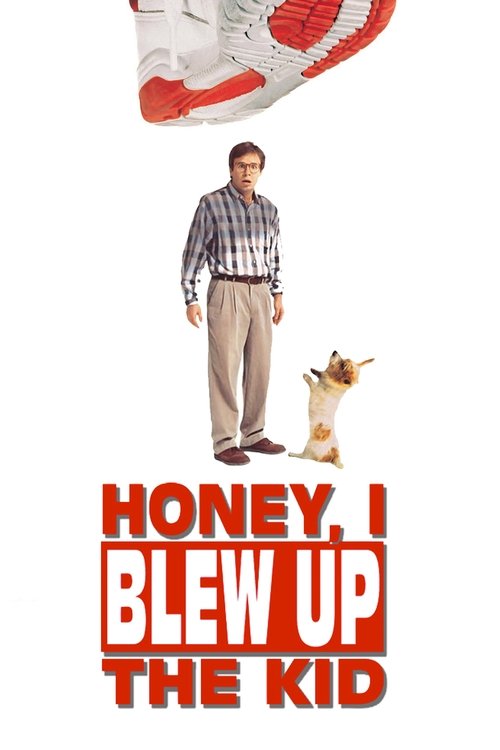
Honey, I Blew Up the Kid is a classic early-90s family comedy that adheres to traditional demographic norms. The story relies on well-known comedic clichés and a homogeneous social environment, offering little disruption to existing social structures. The film centers on the nuclear family and uses science fiction for spectacle rather than exploring diverse lived experiences or challenging existing social hierarchies.
Category Breakdown
The film does not include any LGBTQ+ characters or explore non-straight relationships. It focuses solely on heterosexual relationships within the family.
Gender roles adhere to traditional domestic stereotypes. The male lead is portrayed as a bumbling scientist, while the female characters provide stability and support for the family.
The cast is predominantly white, reflecting the era's typical casting practices. The Las Vegas setting offers visual excitement but lacks ethnic or racial diversity.
The story emphasizes Western social structures by centering on the stability of the nuclear family. It avoids criticizing institutions and focuses on maintaining family harmony.
The child's physical transformation is used as a science-fiction plot device rather than representing actual disabilities. There are no characters with real disabilities or neurodivergence.
Present on Screen
Limited or Absent
Official Synopsis
Wayne Szalinski is at it again. But instead of shrinking things, he tries to make a machine that can make things grow. As in the first one, his machine isn't quite accurate. But when he brings Nick & his toddler son Adam to see his invention, the machine unexpectedly starts working. And when Adam comes right up to the machine, he gets zapped along with his stuffed bunny.
1989
1995
1997
1961
2008
1999

1999
2006
No reviews yet. Be the first to share your thoughts on this movie!
Use the rating form above to leave a star rating and optional review.