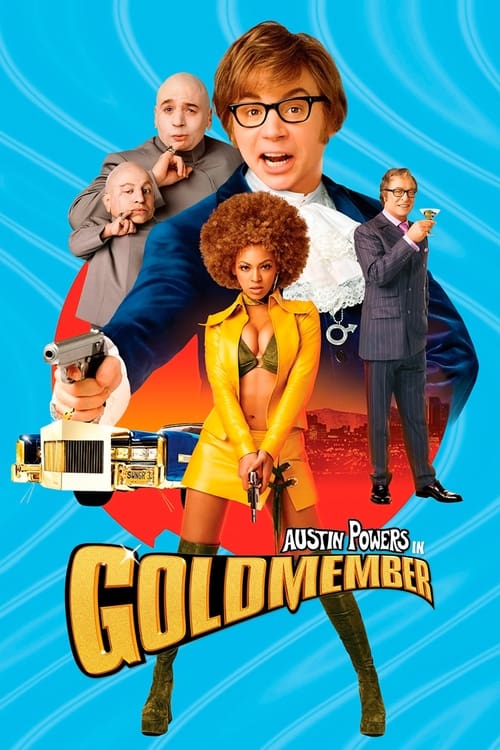
Austin Powers in Goldmember
2002
No user ratings available yet
Representation score: 4.2 out of 10
Representation Score
Fair
1999
PG-13Director
Jay Roach
Runtime
95 minutes
Average Rating
No ratings yetNew Showbiz Analysis
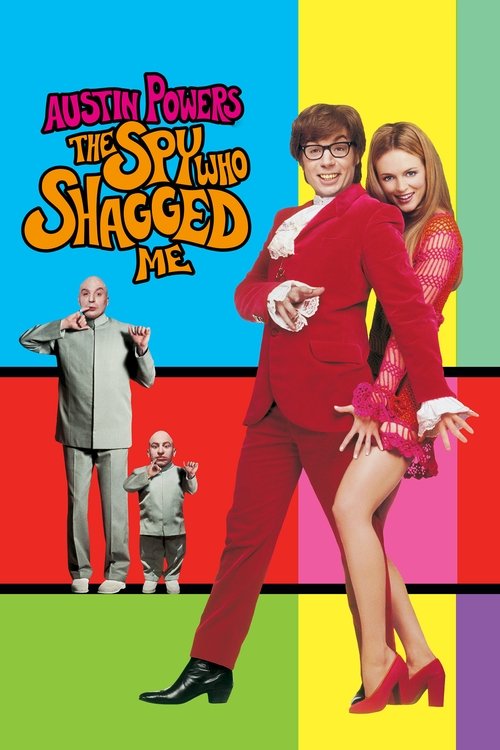
Austin Powers: The Spy Who Shagged Me uses parody to deconstruct mid-century spy clichés, particularly targeting the stoic hero archetype. By presenting a flamboyant and bumbling protagonist, the film challenges traditional masculine norms. However, this subversion is offset by a heavy reliance on caricature. The film frequently uses race, disability, and gender as comedic tools, often leaning into established stereotypes rather than providing substantive representation. Ultimately, while the film mocks the rigid social norms of the 1960s, it remains tied to the very hierarchies it seeks to mock, failing to offer meaningful depth for underrepresented identities.
Category Breakdown
The film focuses on traditional heterosexual relationships and lacks meaningful queer narratives or characters that challenge gender norms.
Characters like Felicity Shagwell play significant roles in driving the story, but they often fall into 'femme fatale' clichés. The film pokes fun at masculinity through a bumbling protagonist but keeps traditional patriarchal structures intact.
Diversity is presented through exaggerated and stereotypical portrayals from 1960s spy films. The narrative lacks characters of color who have substantial influence and depth, and it fails to explore multiple aspects of identity.
The story mocks institutional authority and formal protocols using a postmodern perspective. However, it avoids broader systemic critiques, focusing instead on individual megalomania and social dysfunction.
Representation is minimal and often limited to visual humor. Physical differences are frequently used as comedic devices rather than being portrayed with nuance or substance.
Present on Screen
Limited or Absent
Official Synopsis
When diabolical genius Dr. Evil travels back in time to steal superspy Austin Powers's ‘mojo,’ Austin must return to the swingin' '60s himself - with the help of American agent, Felicity Shagwell - to stop the dastardly plan. Once there, Austin faces off against Dr. Evil's army of minions to try to save the world in his own unbelievably groovy way.
2002

1984
1997
1991
1989
1996
1990
2002
No reviews yet. Be the first to share your thoughts on this movie!
Use the rating form above to leave a star rating and optional review.