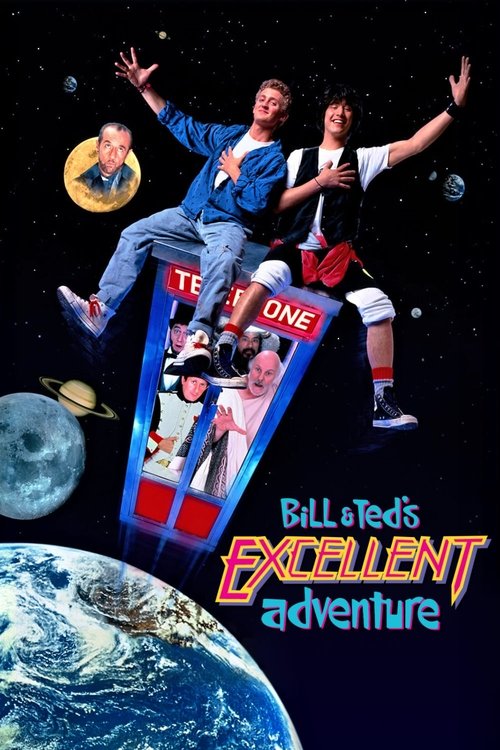
Bill & Ted's Excellent Adventure
1989
No user ratings available yet
Representation score: 6.2 out of 10
Representation Score
Good
1991
PGDirector
Peter Hewitt
Runtime
93 minutes
Average Rating
No ratings yetNew Showbiz Analysis
The film operates as a postmodern deconstruction of historical grandiosity. By placing legendary figures in a surreal, slapstick afterlife, it flattens historical hierarchies and treats icons with irreverent levity. While the narrative lacks a concentrated focus on contemporary identity politics, its structural refusal to respect traditional authority aligns it with a non-conformist framework. Ultimately, the film’s strength lies in its systemic critique of authority, even if its specific character representation remains limited in terms of modern diversity metrics.
Category Breakdown
The film does not include explicit LGBTQ+ characters or non-binary gender identities. The story centers on the friendship between two male characters and their interactions with historical figures.
Joan of Arc serves as a moderate subversion of gender roles by acting as a warrior who play a significant role in driving the story. However, the central narrative is driven by the male-centric friendship of the protagonists.
The film features a global ensemble of historical figures such as Socrates and Genghis Khan, who populate the afterlife. These figures are used primarily as comedic archetypes rather than nuanced explorations of specific ethnic identities.
The film deconstructs Western institutions by treating death and religion through a lens of absurdity. It promotes a form of secular moral relativism by rejecting the traditional sanctity of history.
There is no intentional representation of physical or neurodivergent disabilities. The film relies on slapstick comedy, but these elements do not give real power to characters with disabilities.
Present on Screen
Limited or Absent
Official Synopsis
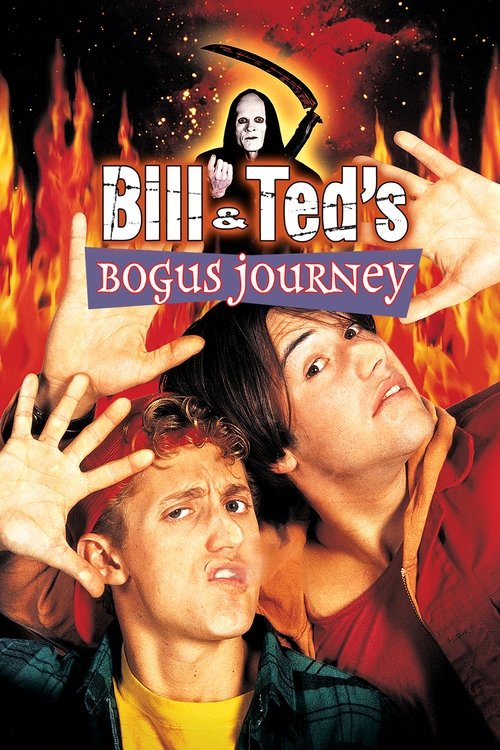
Amiable slackers Bill and Ted are once again roped into a fantastical adventure when De Nomolos, a villain from the future, sends evil robot duplicates of the two lads to terminate and replace them. The robot doubles actually succeed in killing Bill and Ted, but the two are determined to escape the afterlife, challenging the Grim Reaper to a series of games in order to return to the land of the living.
1989
1981
1990
1984
1989
2001

2010
1996
No reviews yet. Be the first to share your thoughts on this movie!
Use the rating form above to leave a star rating and optional review.