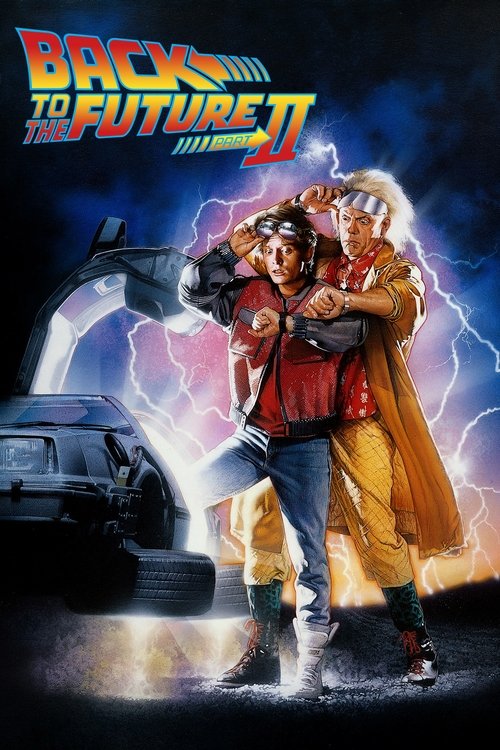
Back to the Future Part II
1989
No user ratings available yet
Representation score: 3.0 out of 10
Representation Score
Limited
1990
PGDirector
Robert Zemeckis
Runtime
119 minutes
Average Rating
No ratings yetNew Showbiz Analysis
Back to the Future Part III is a genre-driven adventure that adheres closely to the conventions of the Western genre. While it presents a female character with intellectual depth, it remains rooted in the demographic and social norms of its time. The film's strength lies in its nuanced portrayal of Clara Clayton, who defies traditional gender roles. However, it falls short in terms of racial and cultural diversity, relying on a predominantly white cast and traditional hero/villain dynamics. Ultimately, the film offers a polished but socially conservative cinematic experience.
Category Breakdown
The film does not include any LGBTQ+ characters or relationships that go beyond straight and cisgender norms. The main romance is between Doc Brown and Clara Clayton, which follows a traditional heterosexual storyline.
Clara Clayton offers a sophisticated take on Western narratives by showcasing intellectual capabilities rather than being a passive figure. However, the film leans heavily on traditional masculine roles and fails the Bechdel test.
The cast is mostly white, reflecting the historical context of the American Old West. Native American characters are used more as background elements rather than playing key roles in the plot.
The story follows a traditional moral framework, focusing on the classic good guy versus bad guy theme. It does not question the societal structures of the late 19th century.
There are no notable representations of disabilities, either visible or invisible. None of the characters are defined by conditions such as neurodivergence or chronic illnesses.
Present on Screen
Limited or Absent
Official Synopsis
The final installment finds Marty digging the trusty DeLorean out of a mineshaft and looking for Doc in the Wild West of 1885. But when their time machine breaks down, the travelers are stranded in a land of spurs. More problems arise when Doc falls for pretty schoolteacher Clara Clayton, and Marty tangles with Buford Tannen.
1989
1981
1985
1984

2010
1999
1989
1991
No reviews yet. Be the first to share your thoughts on this movie!
Use the rating form above to leave a star rating and optional review.