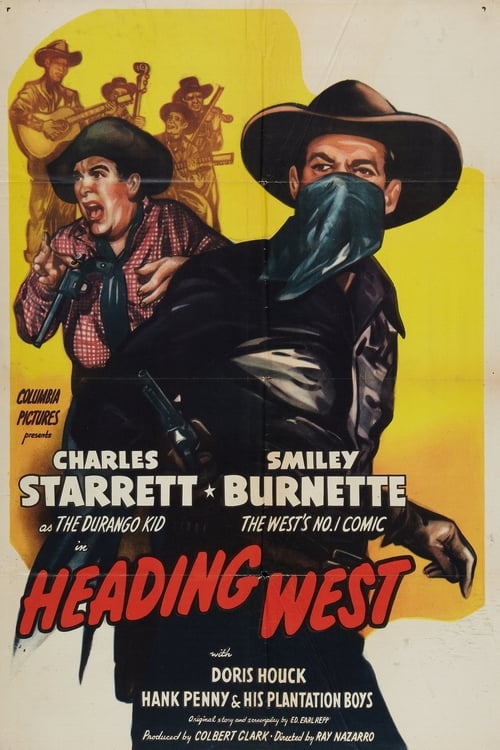
Heading West
1946
No user ratings available yet
Diversity score: 2.5 out of 10
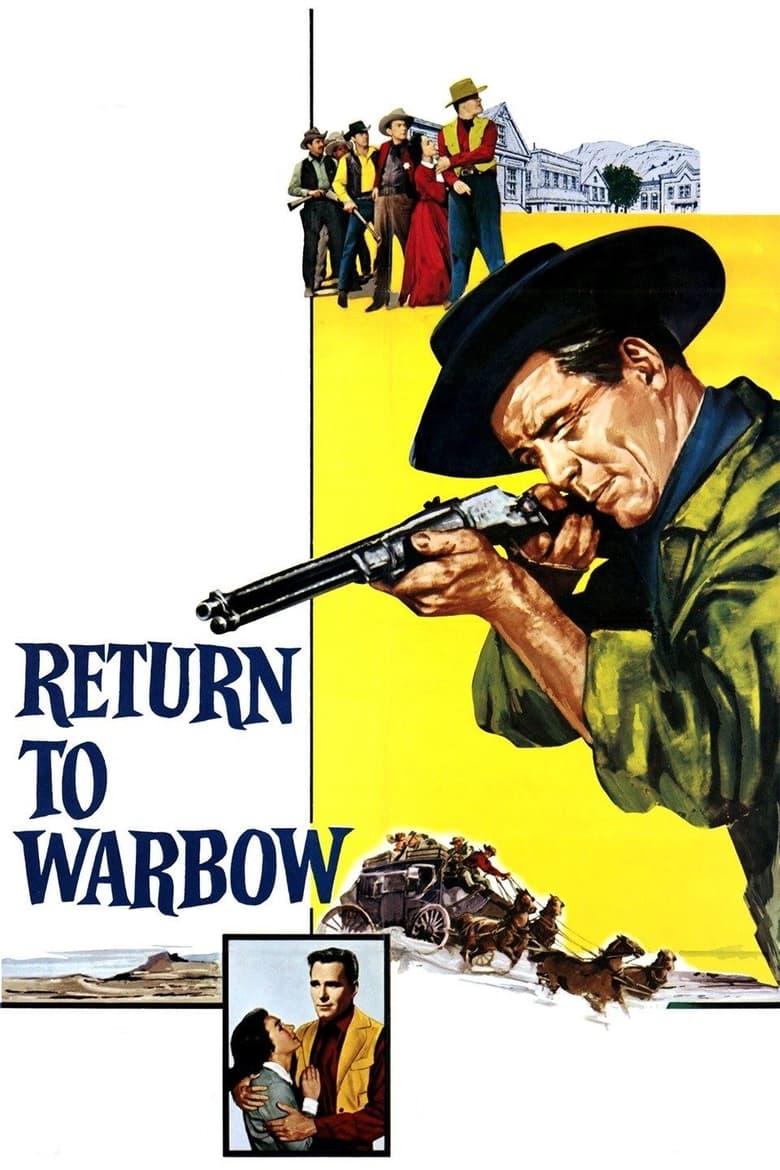
1958
NRDirector
Ray Nazarro
Runtime
67 minutes
Average Rating
No ratings yetSynopsis
Three escaped prisoners return to the site of a robbery to find the stolen money that was never recovered. Western.
Overall Score
Limited
Category Breakdown
LGBTQ+ Representation
The film follows a traditional masculine trajectory centered on escaped prisoners. There is no evidence of non-cisnormative identities or critiques of heteronormativity within the plot.
Gender Representation
Narrative agency is heavily centered on male characters and their pursuit of stolen money. While Catherine McLeod is top-billed, the story reinforces traditional gender roles common to the era.
Racial & Ethnic Diversity
The inclusion of Jay Silverheels provides a baseline level of ethnic diversity. However, his presence aligns with the established genre tropes typical of 1950s Western casting.
Religious & Cultural Diversity
The story adheres to conventional Western themes of crime and paternal lineage. It does not challenge mid-century cinematic morality or institutional structures like the law.
Disability Representation
No visible or invisible disabilities are central to the character arcs. There is no indication that disability serves as a significant plot device in this narrative.
Strengths
Areas for Improvement
AI Analysis
Return to Warbow is a standard mid-century Western that prioritizes traditional masculine agency and linear storytelling. The plot focuses on a protagonist's attempt to reclaim personal assets and a sudden paternal revelation, adhering strictly to the genre's established social frameworks. While the film offers a degree of racial representation through the casting of Jay Silverheels, it lacks intentional efforts to disrupt social hierarchies. The narrative functions as a conventional exploration of individual consequence rather than a subversion of frontier tropes. Ultimately, the film reflects the era's limitations, offering little intersectional depth or representation beyond the baseline casting practices of 1958.
1946

1951
1947
1957
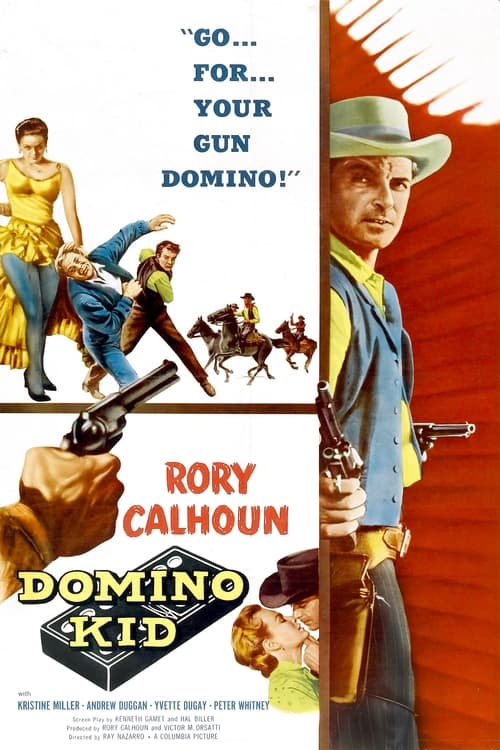
1957
1941
1957

1962
1932
1950
1945
1956
No reviews yet. Be the first to share your thoughts on this movie!
Use the rating form above to leave a star rating and optional review.