
His Glorious Night
1929
No user ratings available yet
Diversity score: 3.1 out of 10
1936
NRDirector
H. C. Potter
Runtime
90 minutes
Average Rating
No ratings yetSynopsis
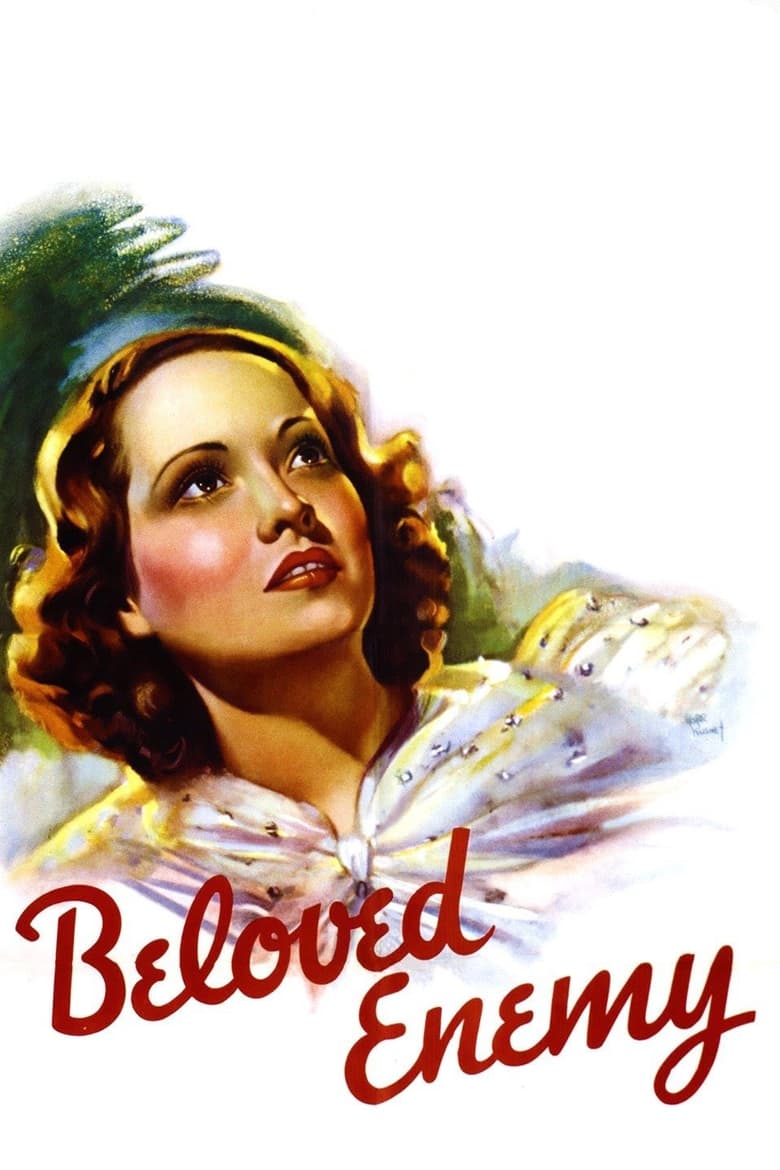
In 1921, British Lord Athleigh arrives in Dublin with his daughter, Helen, to engage in peace talks. As wanted Irish rebel leader Dennis Riordan is not recognized in public, he is able to move about freely and saves the Athleighs from an assassination attempt by a radical faction. Dennis and Helen meet again and, unaware of his position, Helen falls in love with him. Later when Dennis admits his identity, Helen must make a fateful decision.
Overall Score
Limited
Category Breakdown
LGBTQ+ Representation
The film focuses on a conventional heterosexual romance between Helen and Dennis. It lacks any depiction of non-cisnormative identities or critiques of heteronormativity.
Gender Representation
Helen serves as a central figure, yet her agency is largely defined by her emotional response to the male lead. The plot prioritizes male political agency over female autonomy.
Racial & Ethnic Diversity
The story explores the friction between British colonial presence and Irish nationalist identity. It uses ethnic and political distinctions to drive the central conflict.
Religious & Cultural Diversity
The narrative engages with political instability and institutional friction. However, it prioritizes personal romance over a systemic critique of imperialism or capitalism.
Disability Representation
There is no evidence of characters with visible or invisible disabilities within the film's narrative.
Strengths
Areas for Improvement
AI Analysis
Beloved Enemy functions as a standard 1930s period drama, centering its tension on the romantic intersection of two opposing political identities. While the film introduces complexity through the Irish-British conflict, it remains anchored in the traditional social hierarchies of its era. The narrative relies heavily on established romantic tropes, where the female lead's primary role is to navigate the interpersonal consequences of the male protagonist's political life. This limits the depth of gender representation. Ultimately, the film offers a character study of individual morality rather than a meaningful deconstruction of the colonial or institutional structures it depicts.
1929
1934

1925
1934

1933

1948
1932
1943

1941
1944
1927

1921
No reviews yet. Be the first to share your thoughts on this movie!
Use the rating form above to leave a star rating and optional review.