Hindle Wakes
1927
No user ratings available yet
Representation score: 3.0 out of 10
Representation Score
Minimal
1934
NRDirector
Richard Wallace
Runtime
110 minutes
Average Rating
No ratings yetNew Showbiz Analysis
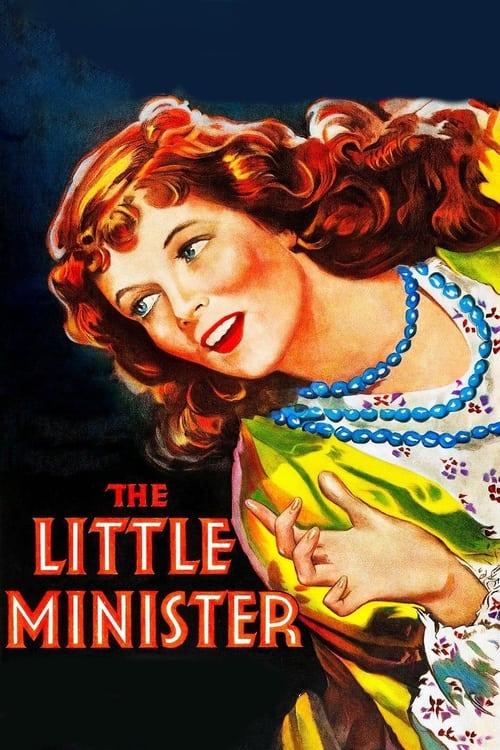
This period drama upholds the social and moral hierarchies of its time, functioning as a character study of individual impulses versus communal expectations. It adheres to the sentimentalist conventions of the 1930s. While the female lead offers a degree of spirited ability to act, the film lacks the structural intention to disrupt traditional gender, racial, or institutional norms. The narrative architecture supports the sanctity of religious and social traditions. Overall, the production operates within conventional cinematic frameworks, providing limited opportunities to challenge established social hierarchies.
Category Breakdown
The film does not depict any LGBTQ+ identities or same-sex intimacy. The central romance focuses solely on a traditional heterosexual relationship.
Babbie provides a spirited contrast to the male lead through her feisty and passionate nature. Although she plays a significant role in the story, the narrative remains rooted in traditional romantic structures.
The cast is primarily white, reflecting the 19th-century Scottish setting. Babbie, described as a 'Gypsy,' highlights local ethnic tensions.
The story emphasizes the religious authority of the Scottish church and landed gentry, prioritizing social propriety and community stability over systemic issues.
There are no visible or invisible disabilities shown. None of the characters have arcs defined by physical impairments or neurodivergence.
Present on Screen
Limited or Absent
Official Synopsis
The stoic, proper Rev. Gavin Dishart, newly assigned to a church in the small Scottish village of Thrums, finds himself unexpectedly falling for one of his parishioners, the hot-blooded Gypsy girl Babbie. A village-wide scandal soon erupts over the minister's relationship with this feisty, passionate young woman, who holds a secret about the village's nobleman, Lord Milford Rintoul, and his role in an increasingly fractious labor dispute.
1927

1960
1933
1935
1945

1930
1938
1946
No reviews yet. Be the first to share your thoughts on this movie!
Use the rating form above to leave a star rating and optional review.