Wara Wara
1930
No user ratings available yet
Representation score: 3.3 out of 10
Representation Score
Fair
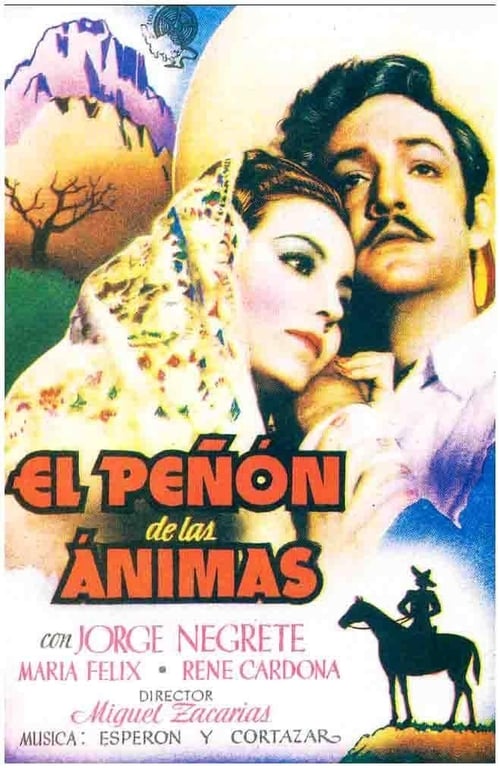
1943
Director
Miguel Zacarías
Runtime
110 minutes
Average Rating
No ratings yetNew Showbiz Analysis
The film operates as a classic melodrama, emphasizing the tension between individual passion and ancestral duty. While it lacks modern representations such as LGBTQ+ or neurodivergent characters, it offers a moderate level of progressive empowerment through its female lead. The story centers on María Ángela's struggle against patriarchal dictates. By choosing romantic autonomy over familial obligations, the film subtly critiques the restrictive social hierarchies of the era. However, the film remains largely bound by the conventions of 1940s Mexican cinema, offering limited diversity beyond its central romantic conflict.
Category Breakdown
The film does not include any LGBTQ+ characters or non-straight identities. The story revolves around a traditional romantic conflict between a male and female protagonist.
María Ángela actively resists an arranged marriage, showing she plays a significant role in driving the story. This contrasts with the passive roles often expected of women in period dramas.
The cast is primarily Mestizo, reflecting the national identity focus of the Golden Age of Mexican cinema. There is no indication of racial subversion in the storyline.
The narrative criticizes rigid social institutions by highlighting the conflict between personal love and ancestral vendettas. It challenges the authority of patriarchal elders and traditional family structures.
There are no visible or invisible disabilities depicted within the primary character arcs.
Present on Screen
Limited or Absent
Official Synopsis
The love between María Ángela and Fernando is impossible because there's an ancient history of hate between their families. His father killed hers, and other family members have killed each other for years. When María Ángela's grandfather finds she's in love with Fernando, he frames the young man and forces her to marry Manuel. Maria Ángela finds that Manuel doesn't love her and together plan her escape with Fernando. But things go wrong and the lovers find their destiny in The Spirit's Canyon.
1930

1954
1942
2002
1948
1931
1955
1923
No reviews yet. Be the first to share your thoughts on this movie!
Use the rating form above to leave a star rating and optional review.