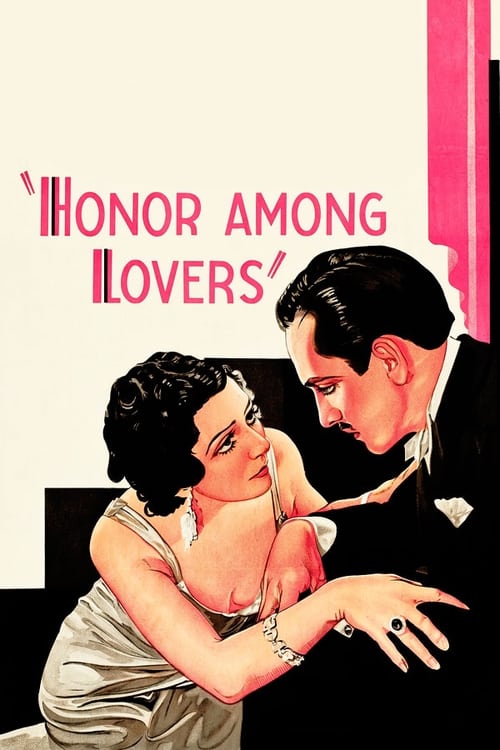
Honor Among Lovers
1931
No user ratings available yet
Representation score: 4.4 out of 10

Representation Score
Minimal
1925
NRDirector
Joseph Henabery
Runtime
76 minutes
Average Rating
No ratings yetNew Showbiz Analysis
Cobra is a classic product of the 1920s studio system, relying heavily on melodramatic archetypes. The film centers on an Italian aristocrat whose romantic impulses drive the plot, reinforcing traditional gender roles and social hierarchies of the silent era. While the inclusion of an Italian protagonist offers some ethnic diversity compared to typical Anglo-Saxon roles, the film does not explore deeper cultural or immigrant themes. Instead, it remains a character-driven exploration of nobility and temptation. The narrative operates within a strictly heterosexual framework, using female characters primarily to test the protagonist's moral resolve. It offers little disruption to the era's conventional social or power dynamics.
Category Breakdown
The film revolves around heterosexual romance, with no representation of LGBTQ+ identities or non-assuming gender matches what was assigned at birth characters. The central conflict involves the protagonist's attraction to women, but there is no queer subtext or exploration of diverse sexualities.
Female characters such as Mary Drake and Elise Dorning play significant roles in initiating romantic pursuits and challenging the male lead's moral stability. However, they primarily serve as catalysts for his internal struggles and growth.
The film includes an Italian protagonist, Count Rodrigo Torriani, which adds ethnic diversity. However, the character is portrayed within the confines of the charming libertine archetype without delving into more complex immigrant experiences.
The storyline upholds traditional Western social structures and class hierarchies. It emphasizes the preservation of social bonds and conventional moral frameworks, reinforcing the status quo rather than questioning institutional norms.
No visible or invisible disabilities are represented in the characters' storylines. The narrative focuses solely on romantic and social conflicts.
Present on Screen
Limited or Absent
Official Synopsis
Rodrigo, an impoverished Italian nobleman takes a job with a New York antique dealer he met overseas. Swearing off women, Rodrigo focuses on his job. But complications arise when he falls in love with his friend's secretary-- and his friend's wife looks to make a date with him.
1931
1952
1951
1953
1952

1950
1931

1927
No reviews yet. Be the first to share your thoughts on this movie!
Use the rating form above to leave a star rating and optional review.