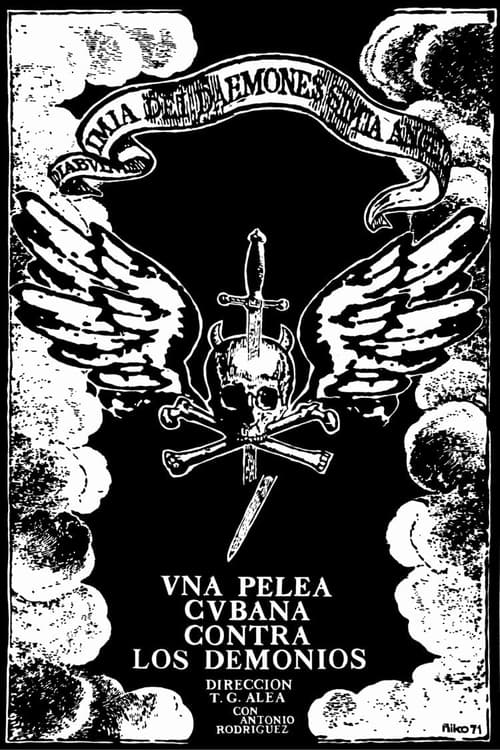
A Cuban Fight Against Demons
1972
No user ratings available yet
Representation score: 4.4 out of 10
Representation Score
Good
1969
Director
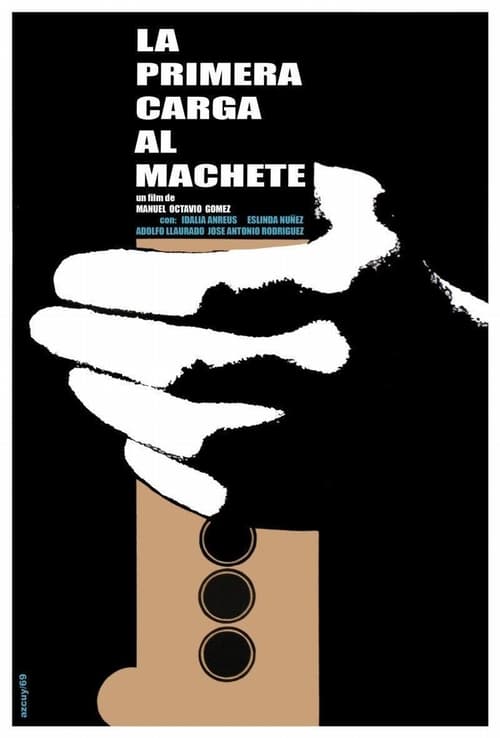
Manuel Octavio Gómez
Runtime
84 minutes
Average Rating
No ratings yetNew Showbiz Analysis
The film stands out as a powerful historical revision that centers the ability to act of the Cuban peasantry. By highlighting a violent uprising against Spanish colonial rule, it effectively challenges traditional colonial hierarchies and stereotypes. The film’s strength lies in its strong anti-colonialist stance and its portrayal of underrepresented ethnic groups. However, it remains neutral regarding LGBTQ+ identities and lacks information on the depiction of disabilities.
Category Breakdown
The film does not focus on individual LGBTQ+ identities but instead emphasizes the collective struggle of the peasantry. It avoids common derogatory stereotypes related to sexual orientation.
Women in the film have the opportunity to play significant roles in driving the story, shifting power dynamics away from traditional submissive femininity often seen in historical narratives.
The story centers around a non-white, non-Anglo-Saxon majority fighting against Spanish rule. The machete symbolizes the laborers' reclaiming of power and ethnic pride.
The film portrays imperial institutions as oppressive, aligning with anti-colonialist views. It highlights the importance of disrupting the colonial order for liberation.
There is no specific mention of the portrayal of physical or neurodivergent disabilities within the narrative.
Present on Screen
Limited or Absent
Official Synopsis
Cuban peasants wield machetes in a violent uprising against Spanish authorities in the late 19th century.
1972
1964

1982
1984
1979
1952
1954
1969
No reviews yet. Be the first to share your thoughts on this movie!
Use the rating form above to leave a star rating and optional review.