Chronicle of the Years of Fire
1975
No user ratings available yet
Representation score: 3.3 out of 10
Representation Score
Good
1973
Director
Paul Leduc
Runtime
124 minutes
Average Rating
No ratings yetNew Showbiz Analysis
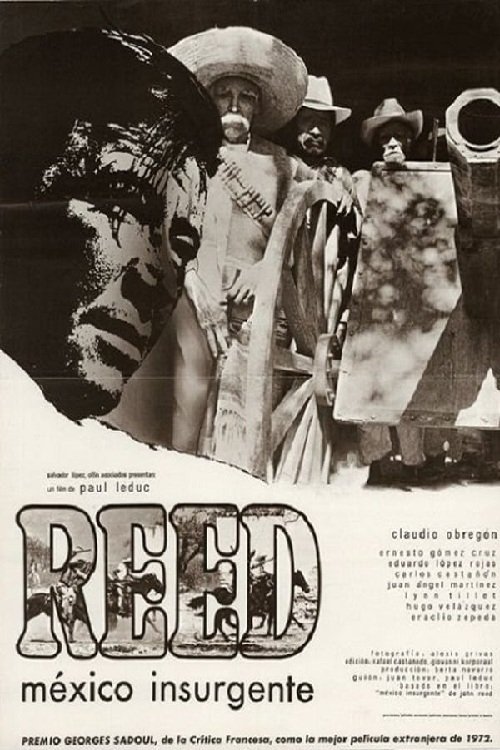
Paul Leduc’s film is a landmark of post-colonial storytelling that prioritizes Mexican sovereignty over Western historical clichés. It succeeds by centering the ethnic and cultural complexities of the Mexican Revolution, effectively challenging the dominance of foreign capitalist interests. However, the film is limited by its historical focus, which results in low representation for LGBTQ+ identities and disability. The narrative architecture remains heavily centered on male-dominated political and combatant roles, reflecting the social constraints of the era. Ultimately, the film's strength lies in its ability to deconstruct national myths and provide a platform for the Mexican peasantry, even if it lacks modern depth in gender and identity issues.
Category Breakdown
The film focuses on macro-political movements and John Reed's journalistic observations. It does not include any LGBTQ+ characters or narratives that challenge traditional heterosexual relationships.
The narrative centers on male combatants and political leaders. Female characters have little control over their own lives and the story does not challenge traditional gender hierarchies.
The film excels by centering the Mexican peasantry as primary drivers of history. It disrupts Western-centric views by portraying revolutionary factions with significant control over their own stories.
The work critiques Western hegemony and capitalist interventionism. It portrays revolutionary violence as a complex response to systemic oppression rather than simple criminal behavior.
The thematic structure lacks significant portrayal of neurodivergence or physical disabilities. The focus remains on collective political struggle rather than individual disability experiences.
Present on Screen
Limited or Absent
Official Synopsis
A dramatization of John Reed's newspaper accounts of the Mexican Revolution. Considered the first real film in Mexican cinema to be made on the Mexican Revolution.
1975

1952
1966
1928
1978
2012

1942
2008
No reviews yet. Be the first to share your thoughts on this movie!
Use the rating form above to leave a star rating and optional review.