
The First Charge of the Machete
1969
No user ratings available yet
Representation score: 6.6 out of 10

Representation Score
Fair
1972
Director
Tomás Gutiérrez Alea
Runtime
120 minutes
Average Rating
No ratings yetNew Showbiz Analysis
Tomás Gutiérrez Alea presents a strong post-colonial critique centered around the underrepresented working class. By casting actors who match the actual demographics of the Cuban peasantry, the film effectively counters traditional Eurocentric historical narratives. The film excels in its cultural and racial representation, employing sophisticated metaphors to challenge colonial dominance. It portrays the fight against 'demons' as essential for communal liberation and systemic change. However, the film's impact is somewhat limited due to the absence of LGBTQ+ characters and disability-focused narratives.
Category Breakdown
The film does not include any LGBTQ+ characters or themes related to non-straight relationships. The story focuses solely on the class struggle and the socio-political context of the 17th century.
Women are shown as active participants in the revolutionary movement. They are not portrayed as purely domestic figures but are integrated into the broader collective struggle.
The film uses Afro-Cuban and Mestizo actors to accurately represent the demographic makeup of the Cuban peasantry. It emphasizes the experiences of the colonized population rather than Eurocentric viewpoints.
The film criticizes religious superstition and feudal hierarchies as oppressive tools. It uses 'demons' as a metaphor for exploitative colonial and capitalist systems.
There is no significant depiction of physical or neurodivergent disabilities within the film's thematic focus.
Present on Screen
Limited or Absent
Official Synopsis
In 1672 Cuban revolutionaries launch an uprising against the Spanish who are occupying the country. Preserved by the Academy Film Archive in 2017.
1969

1964

1960
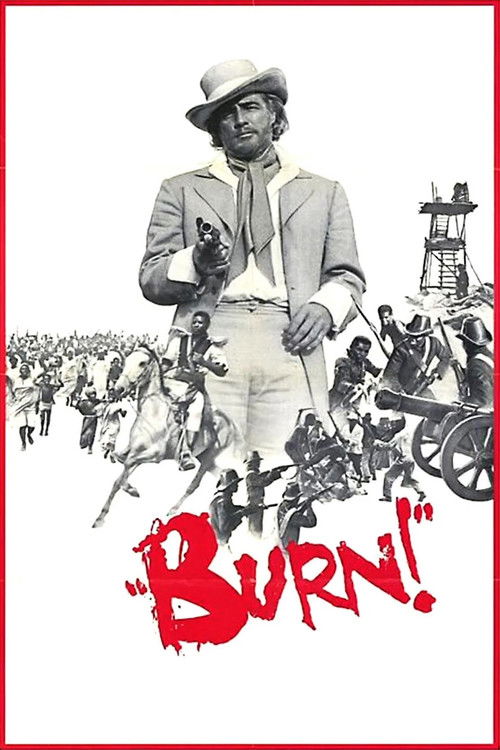
1969
1979

2008
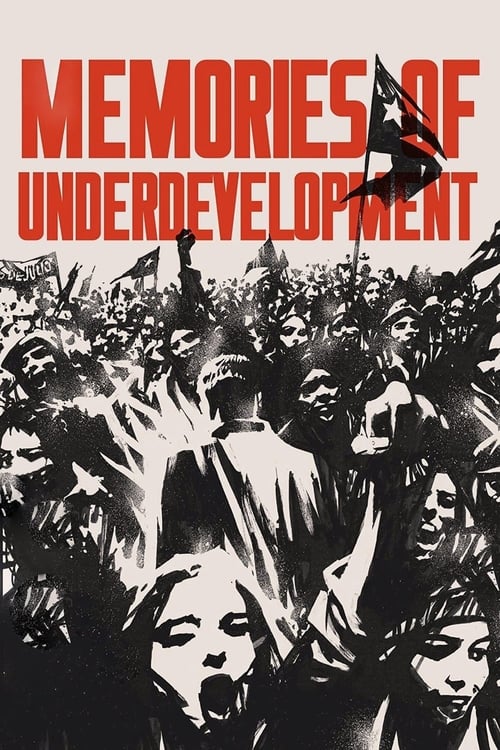
1968
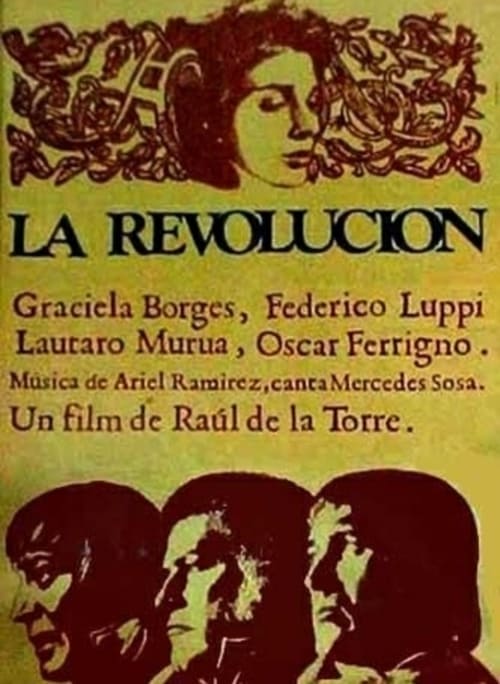
1973
No reviews yet. Be the first to share your thoughts on this movie!
Use the rating form above to leave a star rating and optional review.