The Great Dawn
1938
No user ratings available yet
Representation score: 3.0 out of 10
Representation Score
Fair
1972
Director
Günter Reisch
Runtime
125 minutes
Average Rating
No ratings yetNew Showbiz Analysis
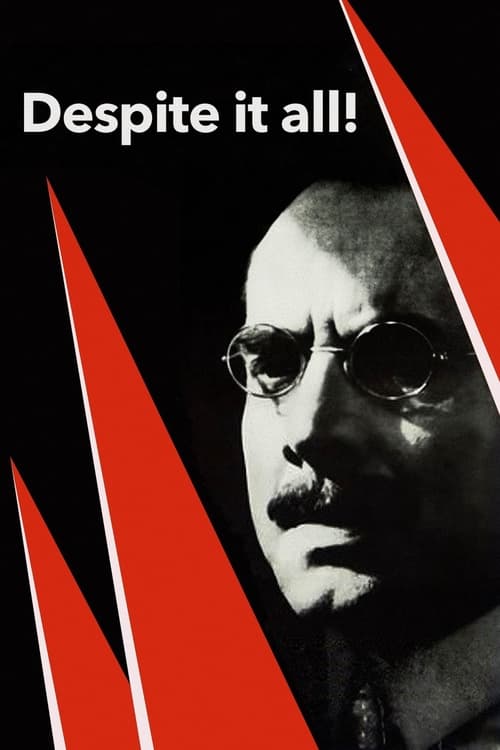
Despite It All! is a historical critique of institutional power that centers on the struggles of the oppressed classes. It uses the 1918 German Revolution to examine the collapse of the imperial system and the rise of revolutionary movements. The film's primary strength lies in its cultural subversion, actively challenging the legitimacy of the state and capitalism. It frames the uprising as a necessary rebellion against a failing, oppressive order. However, the narrative lacks depth regarding individual identity politics. It provides little representation for LGBTQ+ identities or racial diversity, focusing almost exclusively on the socio-economic struggle of the proletariat.
Category Breakdown
The film focuses on the political upheaval of the 1918 German Revolution. It does not explicitly detail non-straight relationships, prioritizing class-based struggle over individual identity politics.
Leadership roles remain male-dominated, centered on figures like Liebknecht. However, the narrative challenges patriarchal military structures by highlighting the collective ability to act of sailors and the working class.
Set within the German Empire, the story emphasizes internal class divisions rather than diverse racial backgrounds. It lacks a non-white majority cast, focusing instead on the exploitation of the masses.
The film excels at deconstructing traditional Western institutions. It portrays the Kaiserreich as corrupt and promotes the Free Socialist Republic as a radical departure from monarchical and capitalist traditions.
There is no evidence that disability or neurodivergence plays a central role in the narrative arc.
Present on Screen
Limited or Absent
Official Synopsis
October 1918: Karl Liebknecht is released from prison and Berlin workers celebrate his release. Although WWI is almost over, the German Kaiserreich in vain sends its last reserves to the slaughter. The working class is in a rebellious mood; the uprising of Kiel’s sailors against war and militarism sets off a call for revolution led by Liebknecht. On November 9, Liebknecht declares the Free Socialist Republic of Germany. But pro-Kaiser military and right wing Social Democrats oppose him.
1938
1928
1960
1925

1938
1995

1970

1968
No reviews yet. Be the first to share your thoughts on this movie!
Use the rating form above to leave a star rating and optional review.