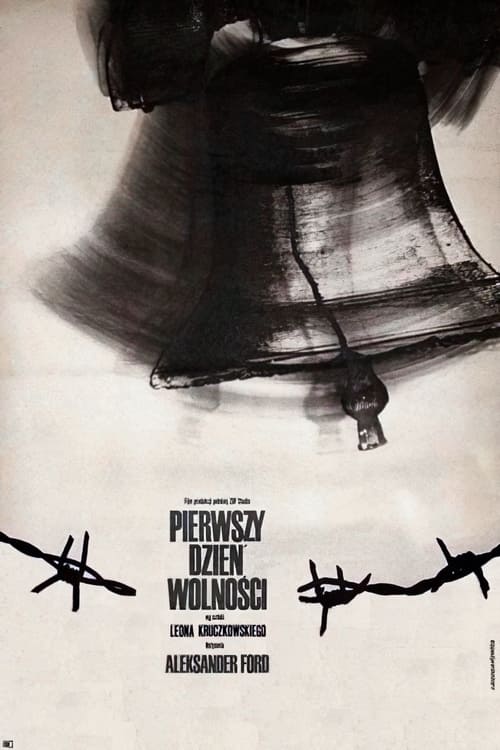
The First Day of Freedom
1964
No user ratings available yet
Representation score: 6.5 out of 10
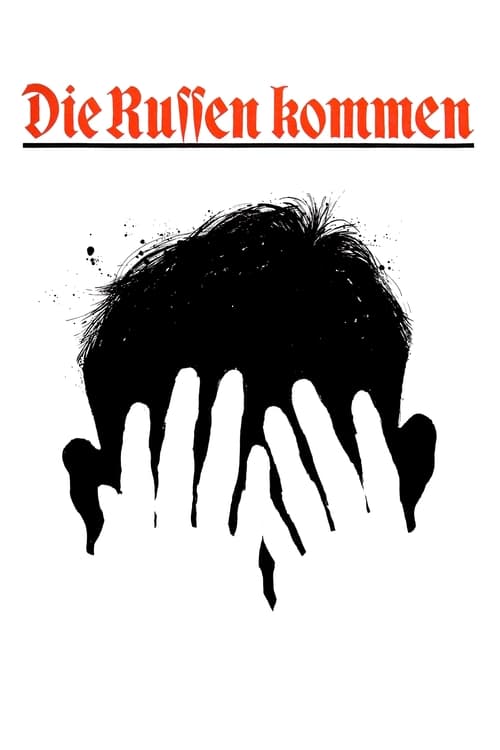
Representation Score
Fair
1987
Director
Heiner Carow
Runtime
92 minutes
Average Rating
No ratings yetNew Showbiz Analysis
The film serves as a critique of nationalist fervor and traditional power structures. By focusing on the moral pivot of a teenage protagonist, it moves away from cohesive national identity toward a study of systemic corruption. The narrative utilizes the presence of Soviet forces and forced laborers to challenge mono-cultural perspectives. This approach challenges the dehumanization inherent in wartime regimes and the fallacy of military heroism. While the film excels at deconstructing cultural and political institutions, it remains limited in its depiction of gendered roles and queer identities, reflecting the cinematic constraints of its era.
Category Breakdown
The film does not include any explicit references to LGBTQ+ characters or identities that challenge the assumption that everyone is straight or cisgender. The story focuses on wartime experiences and geopolitical changes rather than queer identities.
The story centers on the male experience of war and adolescent nationalism. It examines the breakdown of military hierarchies, shifting traditional heroic masculinity to the vulnerability of a captured youth.
The presence of the Red Army and forced laborers drives the narrative. By highlighting the occupier and the victim, the film critiques racialized hierarchies and wartime dehumanization.
The film deconstructs traditional nationalist institutions and military honor. It reframes the protagonist's patriotism as a moral failure, using the Soviet arrival to dismantle the existing social order.
There is no documented evidence regarding the portrayal of physical or neurodivergent disabilities within the available synopsis.
Present on Screen
Limited or Absent
Official Synopsis
It’s the spring of 1945 in a small resort town on the Baltic. Günter is 16 and firmly believes that the Germans will win the war. During the hunt for a forced labourer who is on the run, Günter catches him and watches as he is shot to death. He proudly accepts the award of an Iron Cross before being shipped to the nearby front as part of the last contingent of troops. He is quickly captured by Soviet soldiers, but manages to escape and return home. When the town is occupied by the Red Army, Günter is arrested for the murder of the forced labourer. The film was banned in 1968 before it was completed, and a large portion of the negative was later destroyed.
1964

1945
1946

1977
1965
1959

1980
1956
No reviews yet. Be the first to share your thoughts on this movie!
Use the rating form above to leave a star rating and optional review.